

Window tinting is essential in Florida because of the intense sun, high temperatures, and strong UV exposure. Tinted windows reduce heat and sunlight inside your vehicle, protecting your skin, improving comfort, and preventing fading of your car’s interior. It also increases privacy and visibility while enhancing your overall driving experience.
At #201WRAP, we install high-quality window tint designed for Florida’s climate. Our films block harmful rays, reduce glare, and help your vehicle stay cooler year-round. With professional installation and durable materials, your tint delivers long-lasting value and everyday comfort on the road.
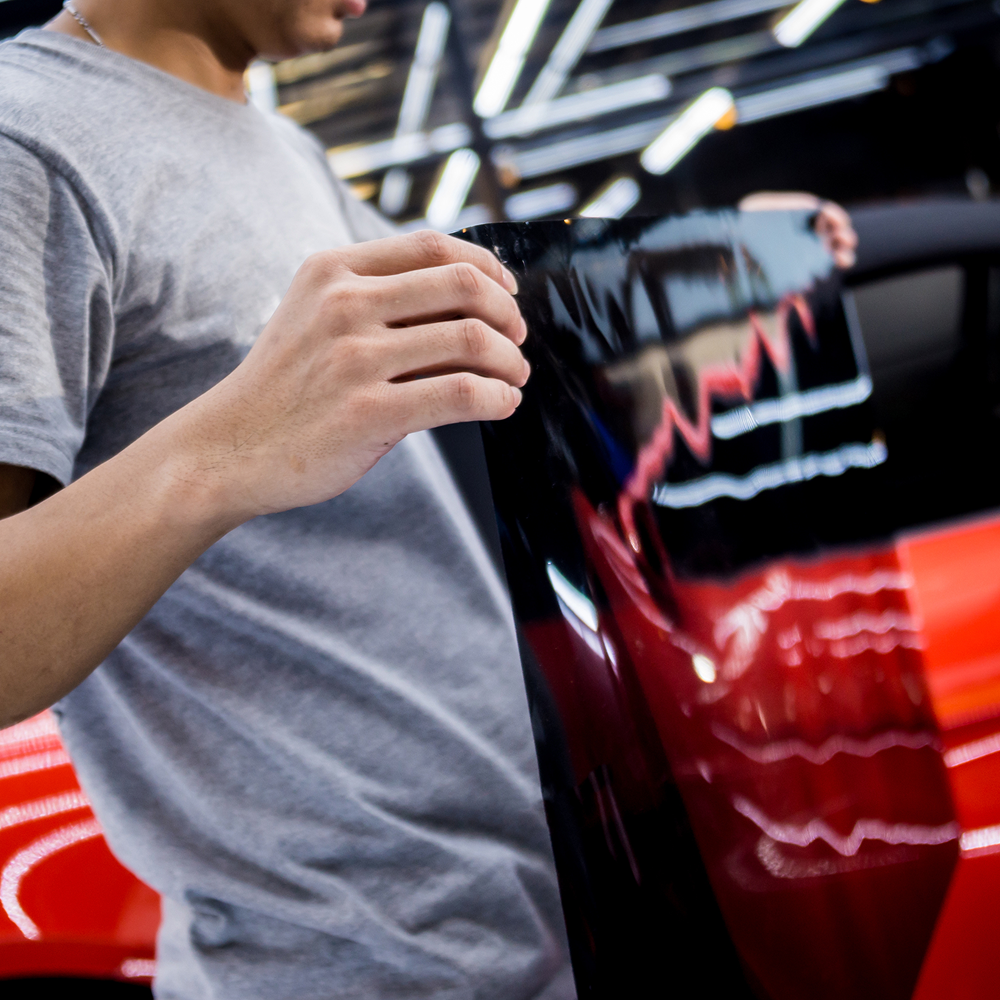
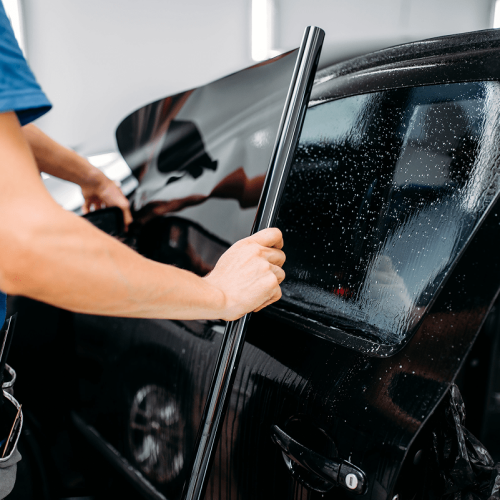
Florida drivers need window tinting to block intense heat and ultraviolet rays, reduce glare, protect vehicle interiors, increase privacy, and improve safety in the state’s bright, hot climate. Car window tinting helps keep cars cooler, reduces AC use, protects skin and upholstery from UV damage, and discourages break-ins by hiding valuables.
Key benefits of window tinting in Florida’s climate:
Florida enforces specific car window tint laws to maintain safe visibility on the road. These rules determine how much visible light must pass through each window, and failing to meet them can lead to fines or require UV tint removal. Ensuring your window film is within the limits helps you stay both safe and compliant.
The state’s tint regulations focus on visible light transmission (VLT) percentages and reflectivity. Each window has its own legal requirement to prevent unsafe darkening or excessive glare on public roads.
These rules outline the legal limits on how dark your window tint can be in Florida law. Review these window tint VLT percentages before choosing your film.
Florida allows medical exemptions for drivers who require extra UV protection. Working with a professional installer ensures your window tint percentages comply with state laws.
Professional window tinting helps to keep your car legal by ensuring the tint complies with Florida’s VLT laws. This prevents forced window tint removal and fines.
At #201WRAP, our team stays up to date on local tint regulations and recommends films that meet legal standards while delivering the performance you want. By choosing a knowledgeable installer, you avoid guesswork and get long-lasting, law-compliant tint that protects your vehicle and your visibility.
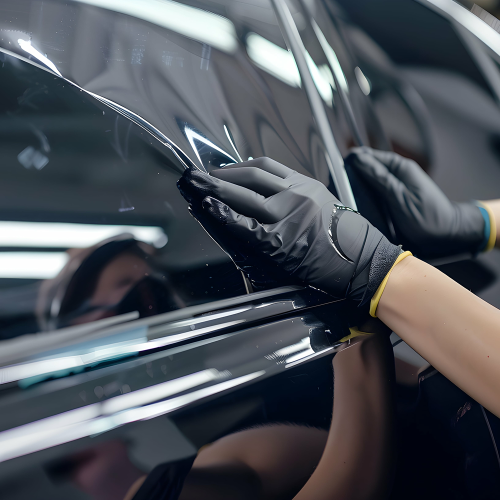
Choosing the right window tint in Florida means selecting a film that can withstand intense sun, heat, and year-round UV exposure. The best tint balances comfort, durability, and clarity, and legal compliance to ensure long-lasting performance in the demanding local climate.
Here are your options:
Dyed tint is an affordable option that darkens windows for added privacy. However, it offers limited heat rejection and may fade quickly in intense sunlight, making it less durable in the long term.
Infrared tint blocks high levels of heat and UV rays while maintaining clear visibility from inside the vehicle. It performs exceptionally well in the local climate without requiring very dark shading, ideal for drivers who want strong protection and energy efficiency with a lighter appearance.
Florida drivers often make tinting mistakes that lead to legal issues, poor performance, or premature window film failure. Avoiding these errors helps your tint last longer and perform well in Florida’s intense climate.
Some drivers focus only on darkness and ignore UV or infrared performance. In Florida, where sun exposure is intense year-round, choosing tint with strong UV and heat-rejection properties is essential.
Some counties and cities in Florida enforce vehicle window tint laws more strictly than others. Drivers who select borderline shades may run into inconsistent enforcement when traveling between regions.
If you’re ready to improve comfort, visibility, and long-term protection on Florida roads, #201WRAP offers high-quality tint built to handle the state’s extreme conditions. Our premium car window films help block heat, reduce UV rays exposure, and enhance your driving experience year-round. And, with our manufacturer-trained team, you can expect a flawless installation process and optimal results from your chosen window tint.
Whether you want energy efficiency, better privacy, sun protection for car interiors, or relief from Florida’s intense sun, we can help you choose the best tint for your needs, safety, security, and legal compliance. Contact us for a free quote today and enjoy a more comfortable ride in the Sunshine State’s climate.