

Does Window Tinting Keep Your Car Cooler?
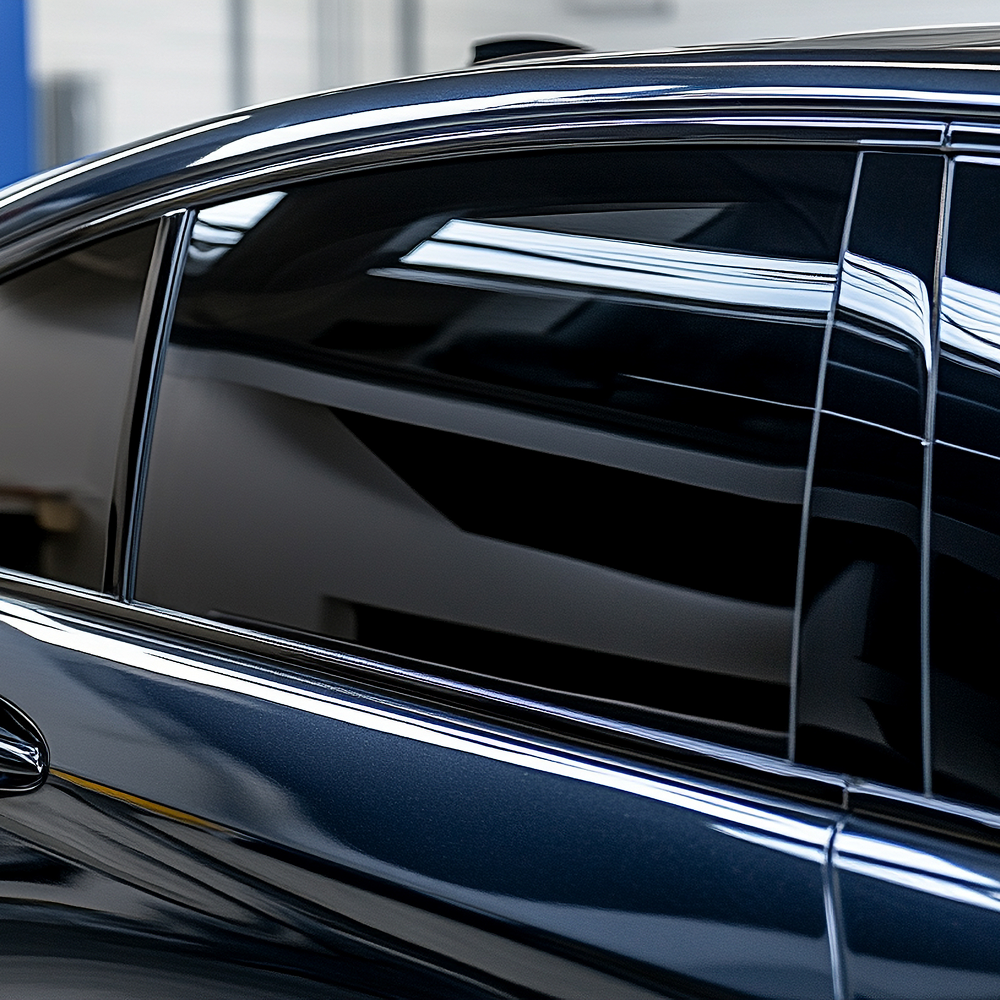
Yes, window tinting does keep your car cooler by blocking and reflecting infrared (IR) and ultraviolet (UV) light that enters your vehicle. Quality window films can lower your car’s interior temperature more effectively than untinted glass.
On the other hand, premium tints, such as ceramic or carbon window film, provide the strongest heat reduction while also protecting your interior from sun damage.
In hot climates, this not only makes your car more comfortable but also reduces strain on your vehicle’s air conditioning system. Overall, this leads to better fuel efficiency and easier maintenance of your car’s AC and interior. Contact #201WRAP for a consultation.
What is the Temperature Difference with Window Tint?
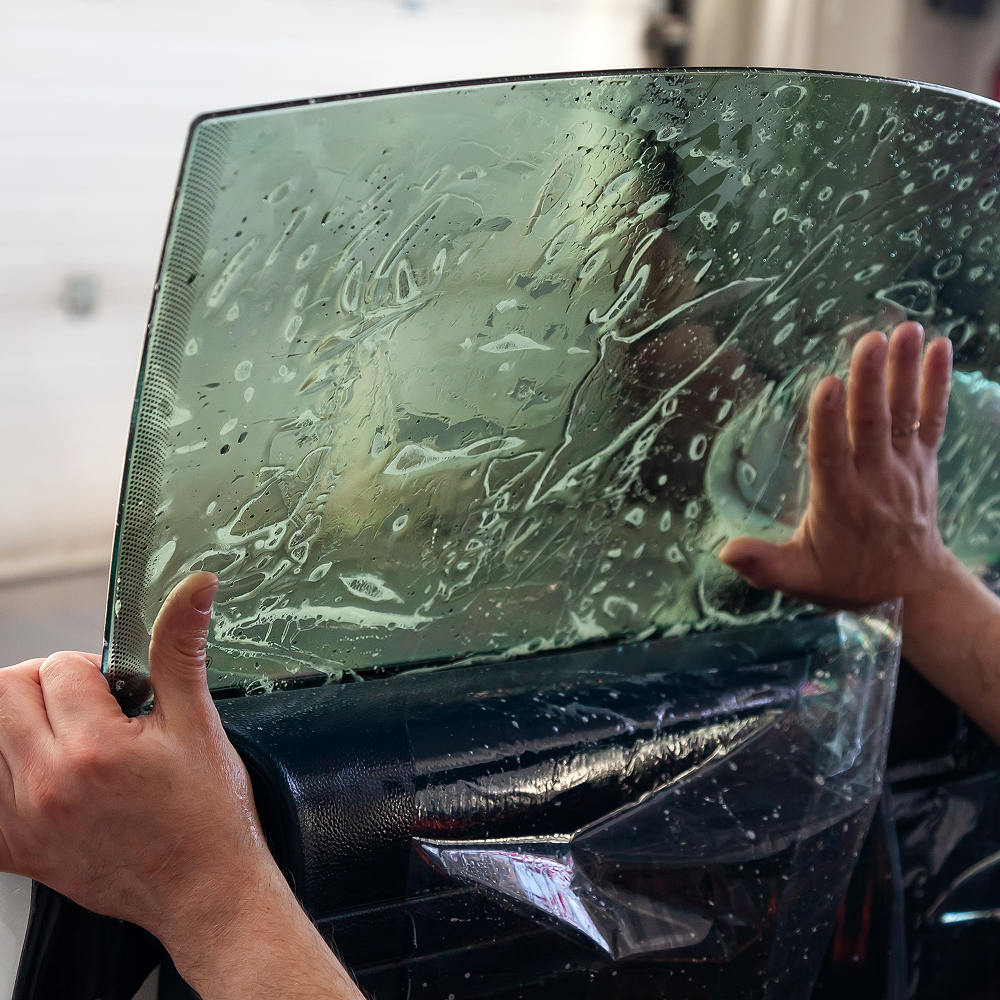
On average, quality window tinting can keep a vehicle’s interior 8° to over 20°F cooler than one with untinted glass. The actual difference depends on the type of film (ceramic, carbon, metallic, or dyed), as well as sun exposure and ambient temperature.
High-performance films, especially ceramic window tinting, block up to 80% of IR heat, helping your car stay cooler, your air conditioning work less, and your interior surfaces last longer.
Benefits of Window Tinting
Beyond keeping your cabin cooler, window tinting offers practical advantages that improve your daily driving experience, enhance safety, and protect your vehicle’s long-term value. These added benefits make tinting one of the most cost-effective upgrades for any car owner.
Blocks Prying Eyes
Tinted windows increase privacy by limiting visibility into your vehicle. This reduces the chance of valuables being spotted inside, helping prevent opportunistic break-ins and giving you greater peace of mind when parking in public areas.
Less Damage From Hail
While tint cannot stop hail from hitting your vehicle, high-quality window film reinforces the glass and helps prevent shattering. If a hailstone strikes a window, the film keeps the glass intact, reducing the risk of interior damage and costly repairs.
Safer for Children
Children are more sensitive to sunlight and glare. Tinting reduces harsh brightness, eye strain, and exposure to direct light, creating a more comfortable and safer environment for young passengers – especially on long drives.
More Car Security
Darkened windows make it harder for thieves to assess what’s inside the car, which lowers the likelihood of break-ins. Additionally, the film strengthens the glass, making it more difficult to smash quickly – a key deterrent for theft.
Energy Savings
By managing how much heat enters the vehicle, tinting reduces how often and how hard your air conditioning system needs to work. Less strain on the AC helps improve fuel efficiency and reduces engine load, especially in hot climates.
Beautiful Car
Window tinting instantly upgrades your vehicle’s appearance. A well-matched tint gives the exterior a sleek, uniform look and enhances body lines. Whether subtle or bold, tint elevates your car’s style without altering the structure.
Resale Car Value
A car with tinted windows often shows less interior fading, cracking, and sun damage on the leather seats, trim, and dashboard – all of which preserve overall condition. Buyers value aesthetics and protection, making a well-maintained, professionally tinted car more appealing on the resale market.
When installed by professionals like #201WRAP, it will offer all of these benefits. However, the extent of protection depends on the type of tint you choose.
What Tint is Best for Blocking Heat?
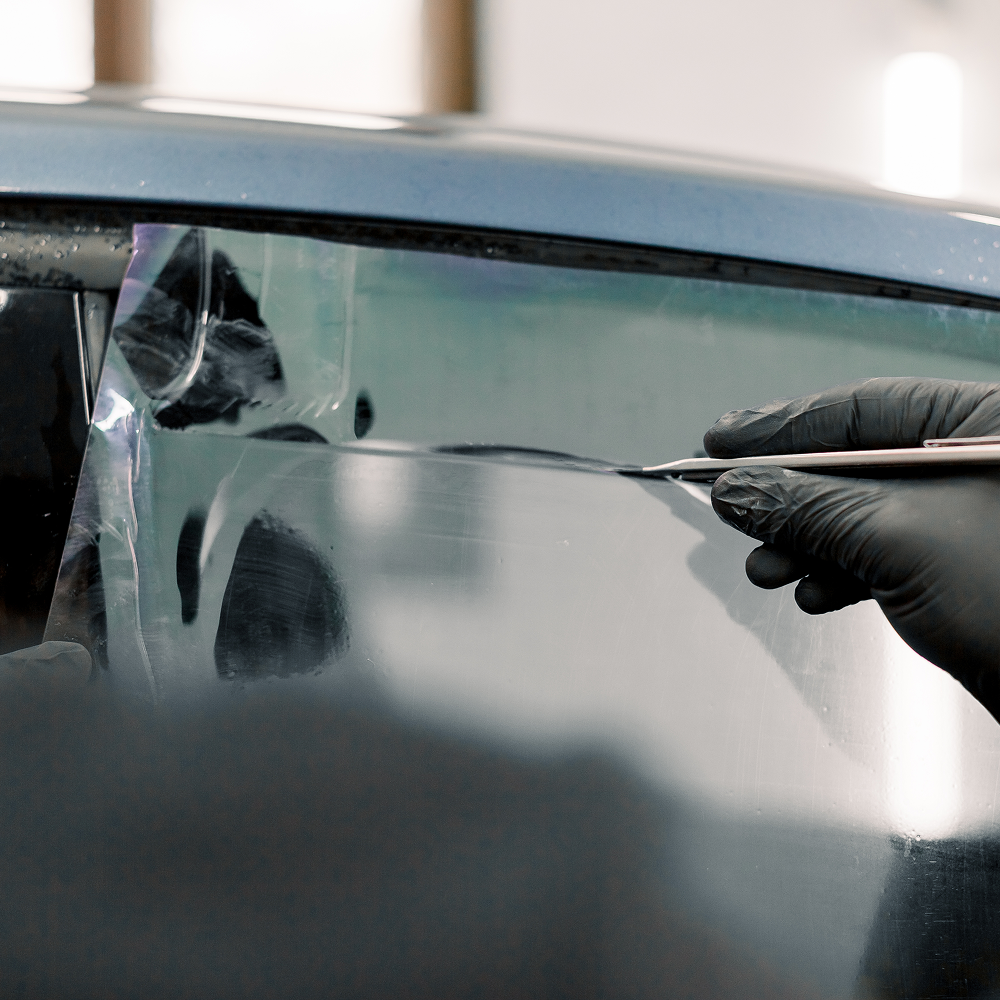
Ceramic window tinting is the most effective at blocking heat because it uses nanoceramic particles that reflect up to 97% of infrared and 99% of UV radiation. Unlike metallic films, it won’t interfere with GPS or cell signals, and it stays clear, durable, and highly effective in Florida’s extreme sun and humidity.
Ceramic Tint Vs. Other Car Window Tints
While ceramic tint offers the highest level of heat rejection and overall performance, other types of window films also provide varying degrees of heat-blocking capabilities. Here’s how other car window tint options compare in terms of infrared (IR) and ultraviolet (UV) blocking capability:
- Carbon Tint: Great mid-range option for blocking heat. It effectively blocks 50-70% of infrared heat and 99% of UV rays with a sleek, matte look. Since it’s non-metallic, it won’t affect electronic signals.
- Metalized Tint: Reflects roughly 60-85% of IR and up to 90% of UV rays, but its metallic particles can disrupt GPS, radio, and cell signals.
- Dyed Window Tint: Provides basic protection, blocking only 10-30% of IR and about 85-95% of UV rays. Works primarily for glare reduction and privacy, rather than heat control.
- Hybrid Tint: Combines dyed and metallic layers to block around 50% of IR and 95-99% of UV rays. It is a balanced option, but still less effective than ceramic tint.
What Tint Percentage is Best for Blocking Heat?
The best tint percentage for blocking heat in Florida depends on both the film’s darkness (VLT) and quality. While darker tints naturally block more sunlight but they’re illegal. Ceramic window tint outperforms even the darkest films by rejecting infrared heat and UV rays, keeping cars cooler without needing to be overly dark.
Understanding Tint Darkness
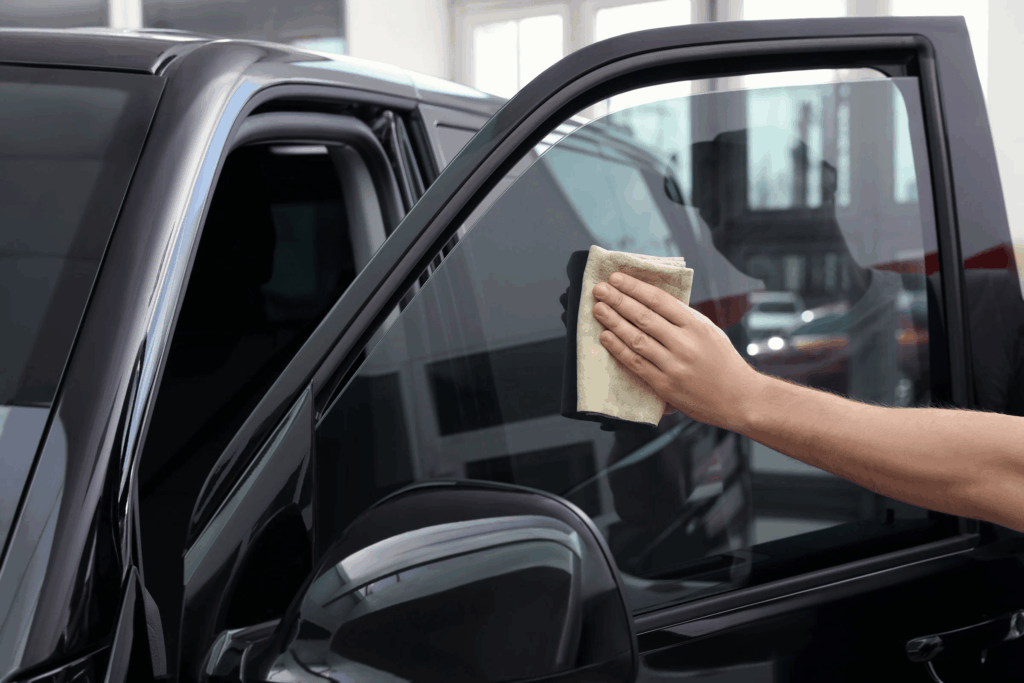
Visible light transmission (VLT) is the percentage of light that passes through your windows. Lower numbers indicate a darker tint and better heat blocking, but laws limit the darkness of your tints. Florida law states that you can’t have tint darker than 28% on the front windows and 15% on the rear windows.
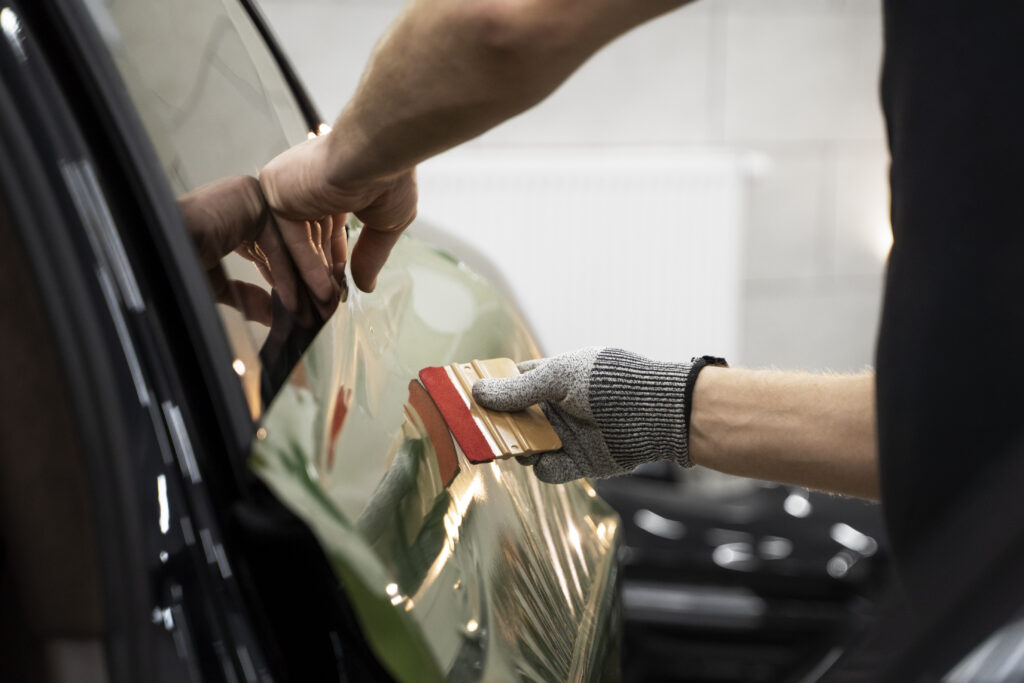
Why Tint Material Matters More Than Darkness
While tint darkness helps, the film material is far more important for real heat rejection. Ceramic films use advanced nano-ceramic particles to block most, if not all, of infrared heat and UV rays emitted by the sun, outperforming dyed, carbon, or metallic films. It’s the best choice for drivers who want maximum cooling without losing clarity or affecting electronics.
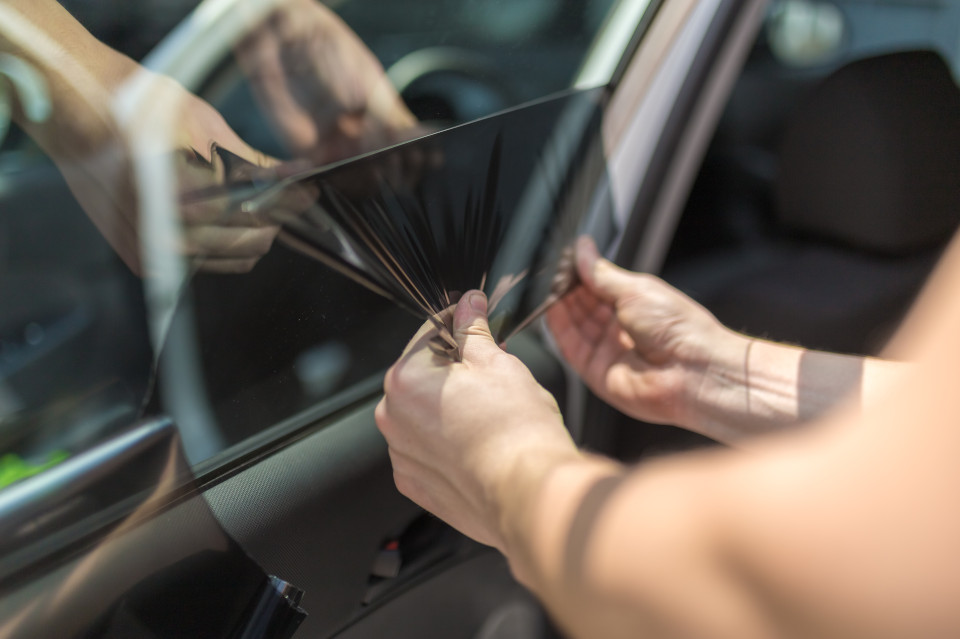
Tint Maintenance, Longevity, and Performance Decline
Even the best heat-blocking car window tint can degrade over time, especially under intense heat, fluctuating weather, and high humidity. Prolonged sun exposure and temperature swings can cause lower-quality, older films to fade, bubble, or lose their IR and UV-blocking effectiveness after a few years.
To keep your tint performing at its best, clean it regularly with a soft microfiber cloth and a mild, ammonia-free cleaner. Avoid harsh chemicals, abrasive pads, or scraping tools, as they can damage the film or weaken its protective coating.
If you notice fading, peeling, or a noticeable increase in interior heat, consider re-tinting your windows. A professionally installed, high-quality ceramic film from #201WRAP can last 10 years or more, maintaining its clarity and superior heat rejection. Investing in quality installation and materials upfront ensures long-term comfort, protection, and savings for Florida drivers.
Stay Cooler and Protected - Get Your Car Windows Professionally Tinted Today by #201WRAP
Beat Florida’s relentless heat with premium ceramic window tinting from #201WRAP. Our expert installers use top-tier films that block up to 99% of ultraviolet rays and 97% of IR radiation, keeping heat inside the vehicle down, your A/C efficient, and your interior protected year-round.
Schedule a consultation today to experience the comfort, clarity, and performance of professional window tinting services by our expert team here at #201WRAP.