

How Long Does Paint Protection Film Last
Paint protection film (PPF) offers durable, long-lasting protection for your vehicle’s paint, safeguarding it from road debris, stains, scratches, harsh weather, UV rays, and minor impact damage.
By applying PPF, you can preserve your vehicle’s original paint finish, ensuring it stays looking new for years. It also eliminates the need for frequent touch-ups or costly repainting, saving you money while maintaining your vehicle’s resale value.
But how long does paint protection film actually last?
In this article, you’ll discover the expected lifespan of PPF, the factors that can reduce its durability, practical steps to extend its life, and the signs when it’s time for a replacement.
Expected Lifespan of Paint Protection Film (PPF)
The lifespan of paint protection film generally ranges from 5 to 10 years, with higher-quality films lasting longer under proper conditions.
Premium PPF often exceeds this timeframe, maintaining clarity and protection longer than budget options. On average, you can expect standard paint protection films to last for 5 to 7 years, while high-grade ones can last up to 10 years or more.
However, several factors can shorten this lifespan, such as the frequency of exposure to harsh environmental conditions and UV rays from the sun and the improper or lack of maintenance provided to the protective film.
What Affects the Lifespan of Paint Protection Film
Several factors can affect the lifespan of PPF, specifically how long it can maintain its protective qualities and appearance.
While it generally lasts for 5 to 10 years, the following factors can either shorten or extend the durability of paint protection film:
Quality of the Film
Higher-grade PPFs offer superior durability, enhanced UV resistance, and advanced self-healing properties, making them more resilient against the elements, road debris, and minor impacts.
These premium films maintain their protective qualities and appearance longer. In contrast, lower-quality films are more prone to faster deterioration when faced with these challenges, leading to earlier signs of wear, such as peeling, yellowing, or reduced effectiveness.
Installation Quality
The expertise of the installer plays a significant role in the longevity of your PPF.
Poorly applied film can result in air bubbles, poor adhesion, or uneven coverage, all of which can shorten the life of the paint protection film.
Driving Habits and Terrain
Frequently driving on highways, gravel roads, or in areas with significant construction exposes your vehicle to rocks, sand, and other road debris. It increases the risk of debris impacting your vehicle, which wears down the PPF faster.
Maintenance and Care
Proper maintenance and care for your paint protection film can extend its lifespan for as long as possible.
These include not using harsh chemicals or cleaning products, improper cleaning methods, and car washes with abrasive brushes that may wear down the product prematurely or damage its material.
And, with regular inspections, small issues like peeling or lifting edges can be addressed before they become irreversible.
Vehicle Parking and Storage
Where you park or store your vehicle can also affect the longevity of your PPF.
Parking your car in a garage or covered area at home whenever possible reduces exposure to the sun’s UV rays and acid rain, both of which can accelerate the wear and tear of the film.
If you do not have covered parking at home, using a car cover can provide the protection it needs from these environmental hazards.
Prolonged Exposure to Harsh Environmental Conditions
Prolonged exposure to the sun’s UV rays, extreme heat or cold, road salt, acid rain, and industrial pollutants can erode the PPF’s surface over time.
This can lead to yellowing, loss of clarity, weaker adhesion, peeling, or cracking faster.
Why Professionally Applied PPF Lasts Longer
Professionally installed paint protection film lasts longer and can handle the elements, road hazards, and impact better. Here’s why:
Thorough Surface Preparation
Professionals know how to prepare and clean the vehicle’s surface properly to ensure maximum adhesion and prevent premature peeling or lifting.
Precise Application
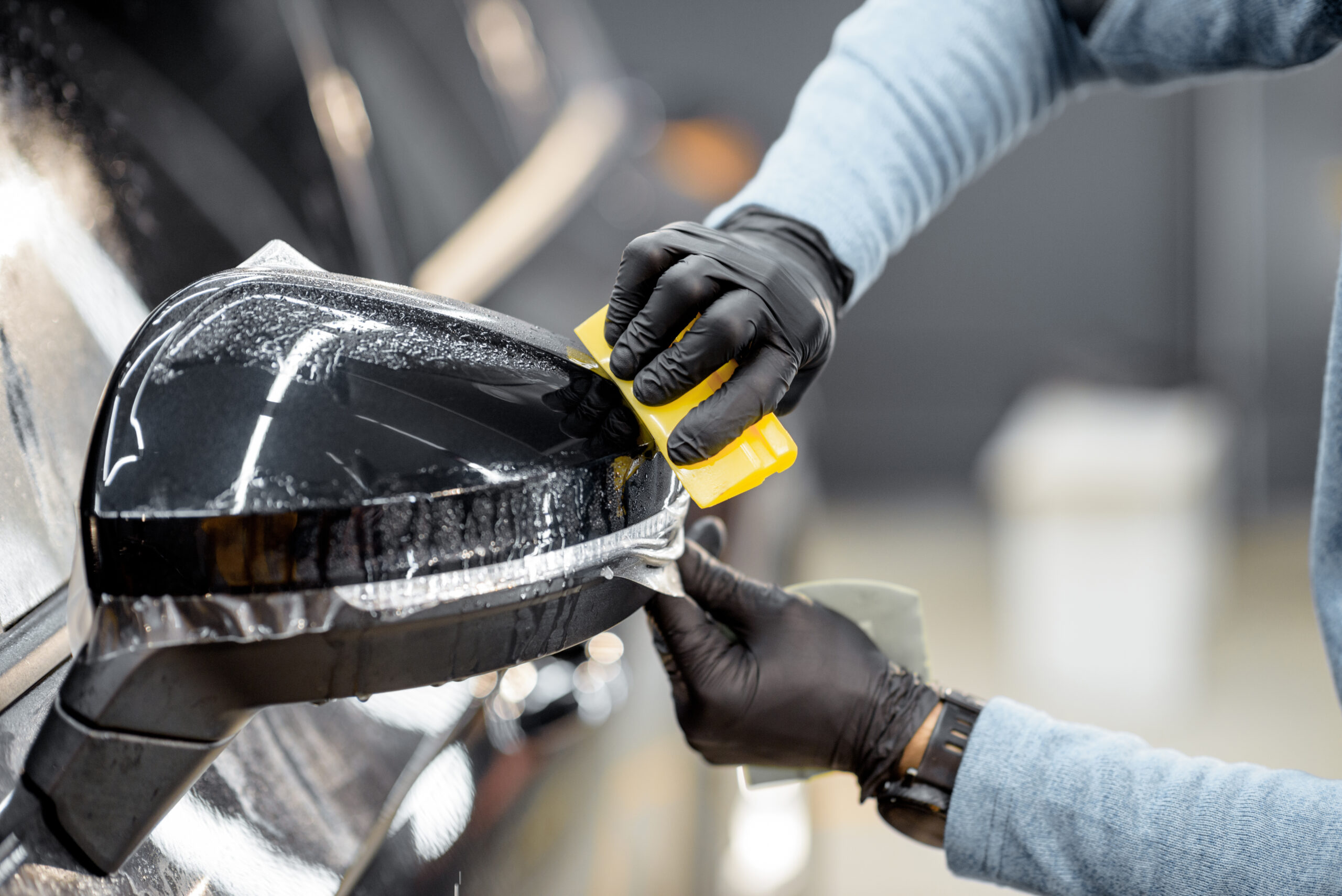
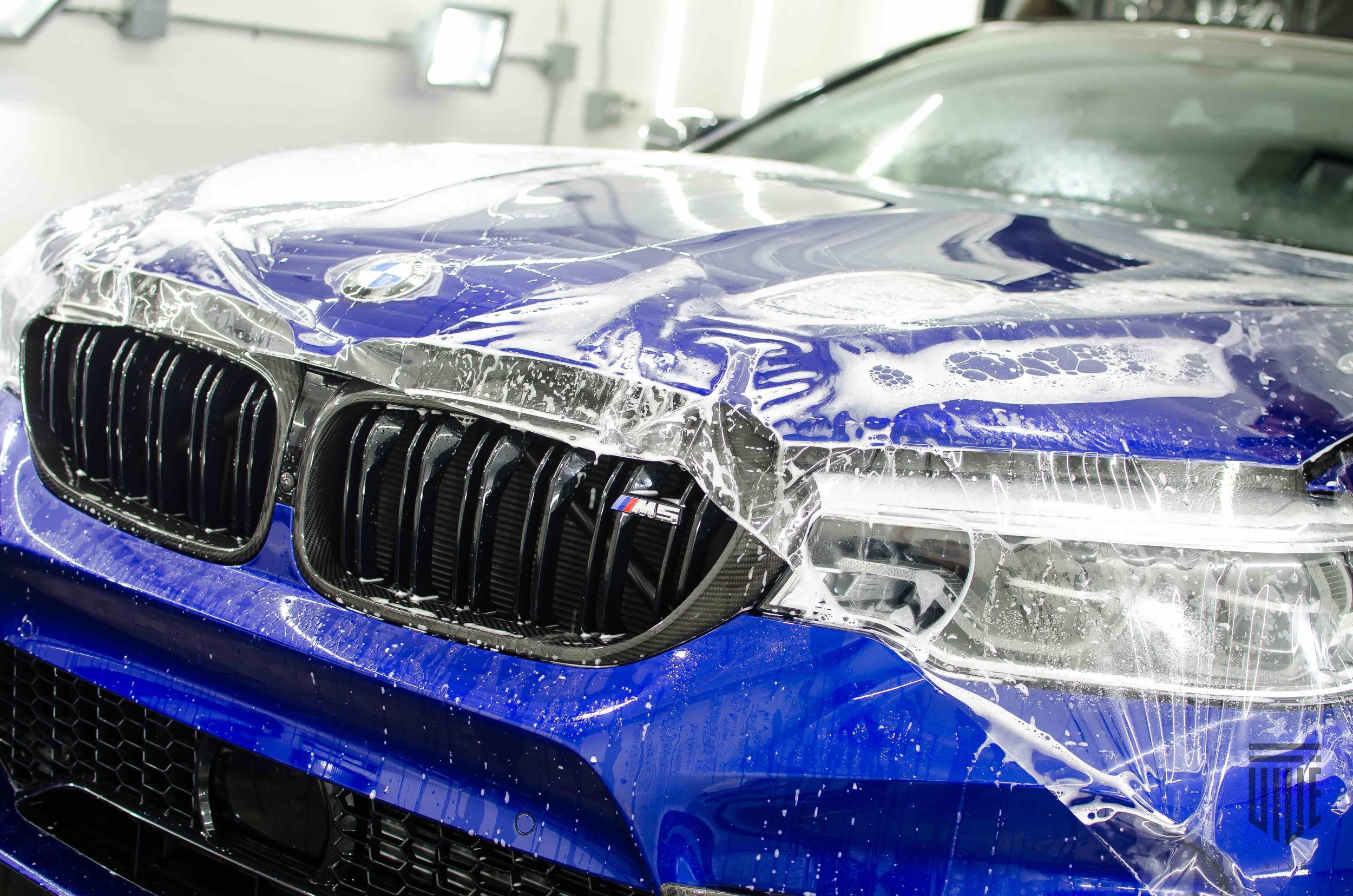
Expert installers know how to apply paint protection film with precision, ensuring it fits smoothly without bubbles, wrinkles, or gaps. And, if they are manufacturer-certified, like our team here at #201WRAP, they apply particular processes to make sure the film lasts for as long as possible.
Coverage of Complex Areas
PPF professionals have the experience and skill to fit the film around intricate curves, edges, and body lines, making sure there’s full protection for your vehicle and minimal risk of a shortened lifespan.
High-Quality Materials
PPF pros use premium PPF materials that have advanced features like UV resistance, self-healing properties, and better durability against the elements, scratches, and minor impact.
By having PPF professionally installed, you ensure a longer-lasting protection for your vehicle for years to come.
Signs It’s Time to
Replace Your PPF
Over time, even the highest-quality paint protection films will start to show signs of wear and tear. Knowing when to replace it is crucial to ensure your vehicle remains protected and its original paint finish stays flawless and vibrant. Here are the signs that it’s time to replace your PPF:
Visible Damage
Cracks, tears, or peeling edges are clear indicators that your PPF is deteriorating. In this condition, it can no longer provide adequate protection, leaving your vehicle’s finish vulnerable to damage from road debris, weather, and everyday hazards.
Loss of Gloss
Once the film starts to look dull, hazy, or lacks the shine it once had, its protective layer has worn down, making it ineffective in protecting your vehicle’s paint from environmental damage.
Scratches and Scuffs
If you notice deeper scuffs or scratches don’t disappear over time, it may indicate the film has lost its self-healing properties. This indicates significant wear and a lack of protection that it once provided.
Yellowing
Yellowing is the most obvious sign that PPF has reached the end of its lifespan. A yellowed film not only diminishes the appearance of your vehicle but also becomes ineffective in protecting it from UV rays.

How to Maximize the Lifespan of Your Paint Protection Film
To get the most out of your PPF and ensure it provides effective protection in the long run, proper care is essential. Here are some guidelines in how to do this:
Regular Cleaning
Keeping your vehicle clean prevents dirt, dust, tree sap, road salt, and other pollutants from accumulating on the film’s surface. These contaminants can stain, scratch, or degrade the protective layer of PPF if left on its surface for too long.
Do Not Use Harsh Chemicals and Abrasive Materials on Them
Using harsh chemicals, such as degreaser, strong waxes, or polishes, can damage or degrade PPF over time. This is the same for abrasive cleaning materials like hard brushes, which can scratch and dull their surfaces.
If you are cleaning or removing stains on your PPF, make sure to only use gentle dish soap or mild car wash soap and a soft microfiber mitt or non-abrasive, soft sponge.
Protect the Film from Sunlight
PPF provides excellent UV protection for your vehicle. But, prolonged exposure to direct sunlight can accelerate wear.
Whenever possible, park your vehicle in shaded areas or use a car cover to shield it from the sun’s rays.
Avoid Automatic Car Washes
The rotating bruises in automatic car washes can scratch, peel, or tear the edges of the paint protection film.
Stick to hand washing your vehicle with gentle soap and soft, non-abrasive cloth, sponge, or cleaning mitt.
Inspect Your PPF Regularly
Perform regular inspections on your PPF and take note of any signs of wear like cracks, tears, peeling edges, or discoloration.
Addressing these promptly can prevent further damage and allows you to save the film before a replacement becomes your only option.
Seek Professional Maintenance Every Few Years
Having a professional inspect your paint protection film every few years can help identify issues before they come up.
They can address these before repairs become expensive or a replacement becomes necessary.
Maximize Your Investment with PPF
Paint protection film protects your vehicle’s paint finish, ensuring its original vibrancy remains and a higher resale value for your car in the future.
It provides this protection for 5 to 10 years, or even longer for well-maintained, higher-quality films installed by professionals.
By applying the guidelines mentioned in this article, you can maximize the lifespan of your PPF, saving you money over time.
Get a Free Quote for a PPF Installation from #201WRAP!
Protect your vehicle’s paint from damage caused by daily driving, harsh weather, and road debris with high-quality paint protection film installed by manufacturer-certified professionals. Whether you want to maintain your car’s pristine appearance or shield it from future damage, investing in #201WRAP’s paint protection services is a smart, long-lasting solution for maintaining your vehicle’s original paint finish and protecting its future resale value.
Don’t wait until your paint starts showing signs of wear and tear before finding a solution. Get a free quote for a PPF installation from our team today and give your vehicle the protection it deserves!