

Can PPF Be Removed Without Damaging Paint?
If you have paint protection film (PPF) on your vehicle or are thinking about getting it, you know how well it protects your paint from scratches and UV damage.
But what happens when it’s time to remove it – whether for a repaint, a new wrap, or because it’s worn? Can PPF be removed without damaging the paint underneath?
The short answer is yes – when done properly, PPF can be safely removed without any damage to your vehicle’s paint. However, the key lies in using the right tools and techniques and, in most cases, getting professional help.
In this guide, you will learn the removal process, potential risks, and why having experts do it is essential.
Understanding PPF and Why Its Removal Matters
If you already have paint protection film on your vehicle or are considering it, you are probably already aware of the protective benefits it offers – shielding your car’s paint from road debris, scratches, and UV damage. While PPF is designed to be durable and last for years, there may come a time when removing it becomes necessary.
Over time, even the highest quality paint protection films will show signs of wear, such as yellowing, bubbling, or peeling. In some cases, significant damage may occur due to a collision. When this happens, it’s crucial to address it promptly, as neglecting it can lead to paint issues from UV damage and ineffective protection against road debris and impacts.
Moreover, if you decide to repaint or wrap your vehicle, removing the old PPF is necessary to ensure a smooth, clean surface for the new finish. This is the same if you want to upgrade to a newer or better quality PPF, switching to a different finish, or simply changing the aesthetic of your vehicle.
What are the Risks Involved in PPF Removal
Although paint protection film can be removed without damaging the underlying finish of the car, there are risks involved in its removal.
Understanding these potential issues is crucial for protecting your vehicle’s paint and preventing them from occurring or addressing them.
Adhesive Residue
Leftover adhesive is one of the most common risks associated with PPF removal. The residue can be challenging to clean, and doing it with harsh chemicals will damage the vehicle’s paint. But, with professional detailing, adhesive residue can be removed effectively and without damage to your car’s finish.
Paint Damage
If PPF is pulled off too aggressively, it can damage the underlying paint with it. This is more likely to occur if the paint is already compromised before installing or removing the film. The damage can range from small scratches to large areas of peeling.
To avoid this, it’s essential to use the right tools and methods when removing paint protection film from your vehicle. If possible, get help from manufacturer-certified professionals to achieve the best result for your car.
Faded Colors
While paint protection film is designed to protect your vehicle’s finish from harmful UV rays, there may be uneven color fading if it was left on for too long. This is due to the degradation of the film in some areas, resulting in inconsistent protection for the underlying paint. Areas with adequate protection may retain their vibrant color, while sections with degraded film are exposed to the sun’s UV rays.
To mitigate this risk, it’s important to monitor the condition of the PPF. Scheduling a professional inspection every few years, especially as the film nears then of its expected lifespan, can help ensure its timely removal.
How PPF is Removed
Removing paint protection film requires careful attention to detail and the right techniques to ensure the underlying paint does not get damaged. Here’s an overview of the removal process:
Preparation
The surface of the PPF is cleaned of any dirt, debris, or contaminants. This step is important in avoiding scratching or damaging the your car’s paint job during the removal process.
Heating and peeling the film
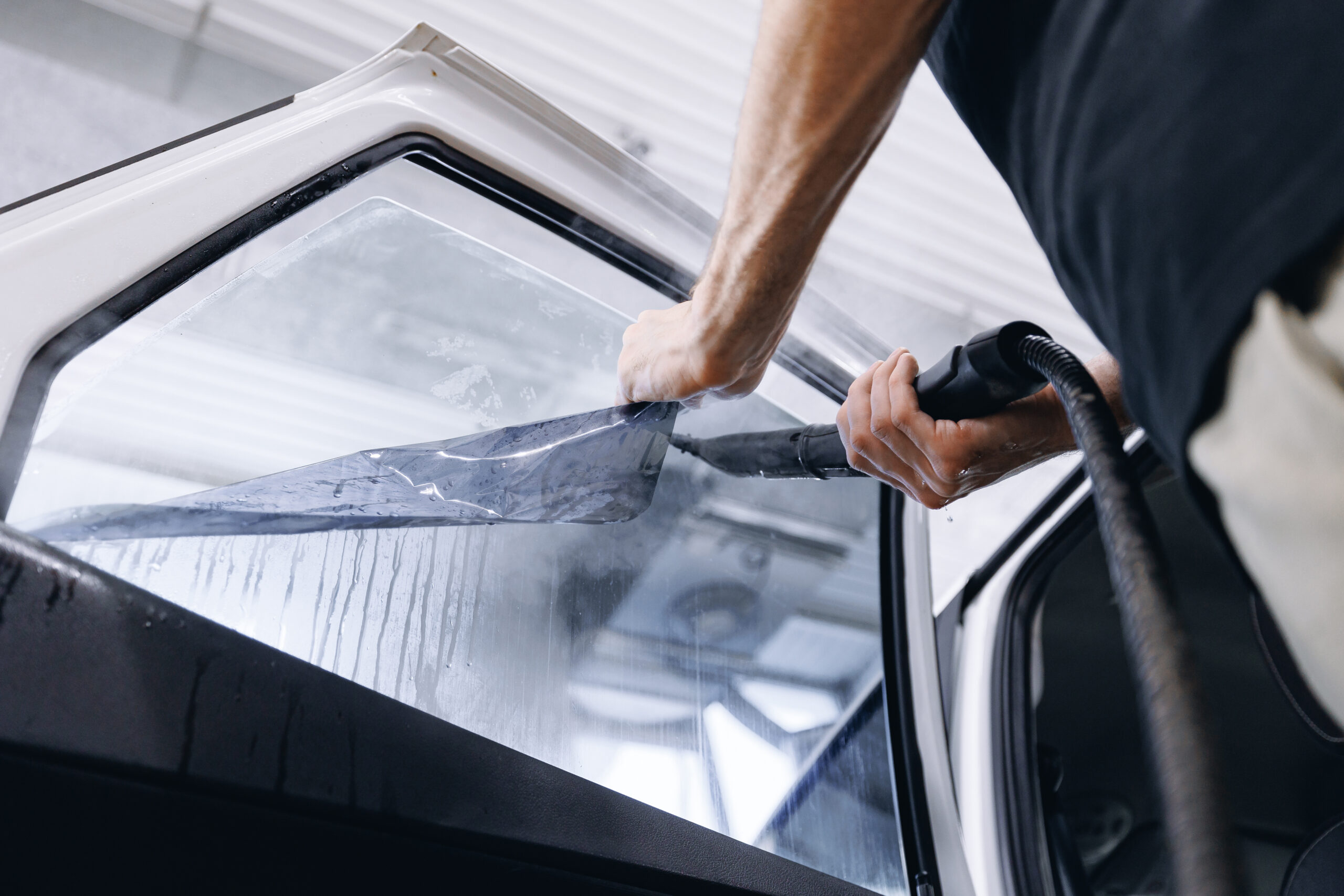
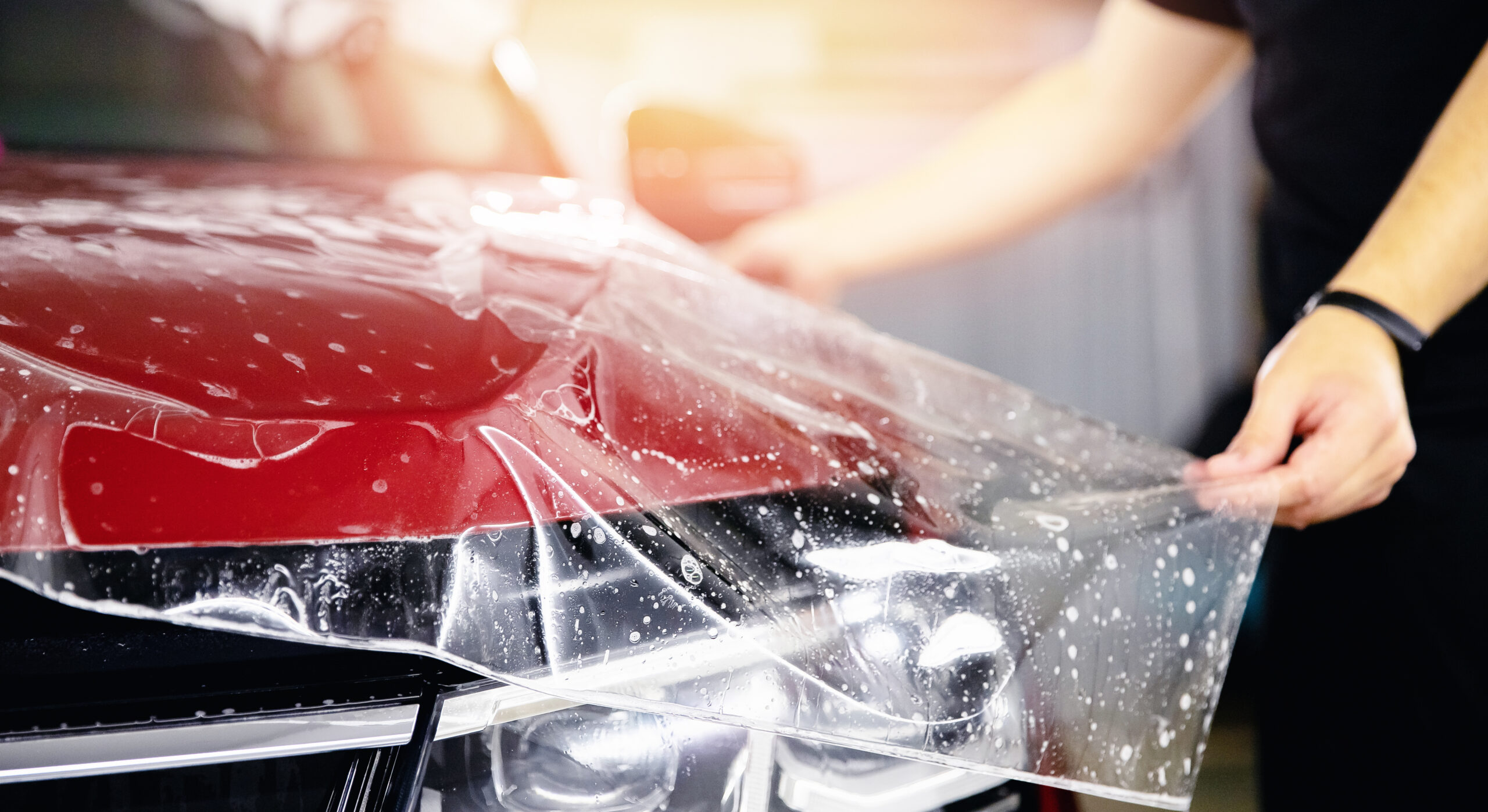
Apply heat to the film with the use of a heat gun or blow dryer to soften its adhesive. Once the film becomes pliable, it can be peeled back slowly from one corner. It’s important to pull the material at a low angle (not more than 45 degrees) to minimize the risk of pulling up paint with it. If the film feels resistant or there is any tugging, reapply heat to soften the adhesive.
Patience is key in removing paint protection film. Rushing will only increase the risk of damaging your vehicle’s finish.
Completing the removal of the rest of the vehicle
Continue using your heat source to soften the adhesive and peeling the sections of the film from the rest of the vehicle. Make sure to maintain proper technique by going slowly and pulling the film steadily at a 45-degree angle.
Avoid pulling too hard or quickly to prevent tears that can make the process more difficult or damage to your vehicle’s finish.
Removing the adhesive residue
After removing the film completely, there may be leftover residue on the vehicle’s surface. Clean this carefully using a gentle adhesive remover that is safe for your vehicle’s finish or a mixture of gentle soap and water. Gently scrub away the residue with a microfiber cloth or soft sponge, ensuring that the surface is clean and smooth.
Do not use harsh chemicals or abrasive materials when removing the adhesive, as these could damage the finish of your vehicle.
Final cleaning and inspection
Once the adhesive is removed, wash the area again to eliminate any remaining cleaning products. Inspect the paint for any damage or fading that may have occurred during the paint protection film’s lifespan. Then, apply a fresh layer of wax or sealant to provide your vehicle’s finish some protection against the elements.
Advantages of Hiring Professionals for PPF Removal
While it’s possible to remove paint protection film using the steps above, hiring professionals ensures that the process is done with minimal risk to your vehicle’s factory paint.
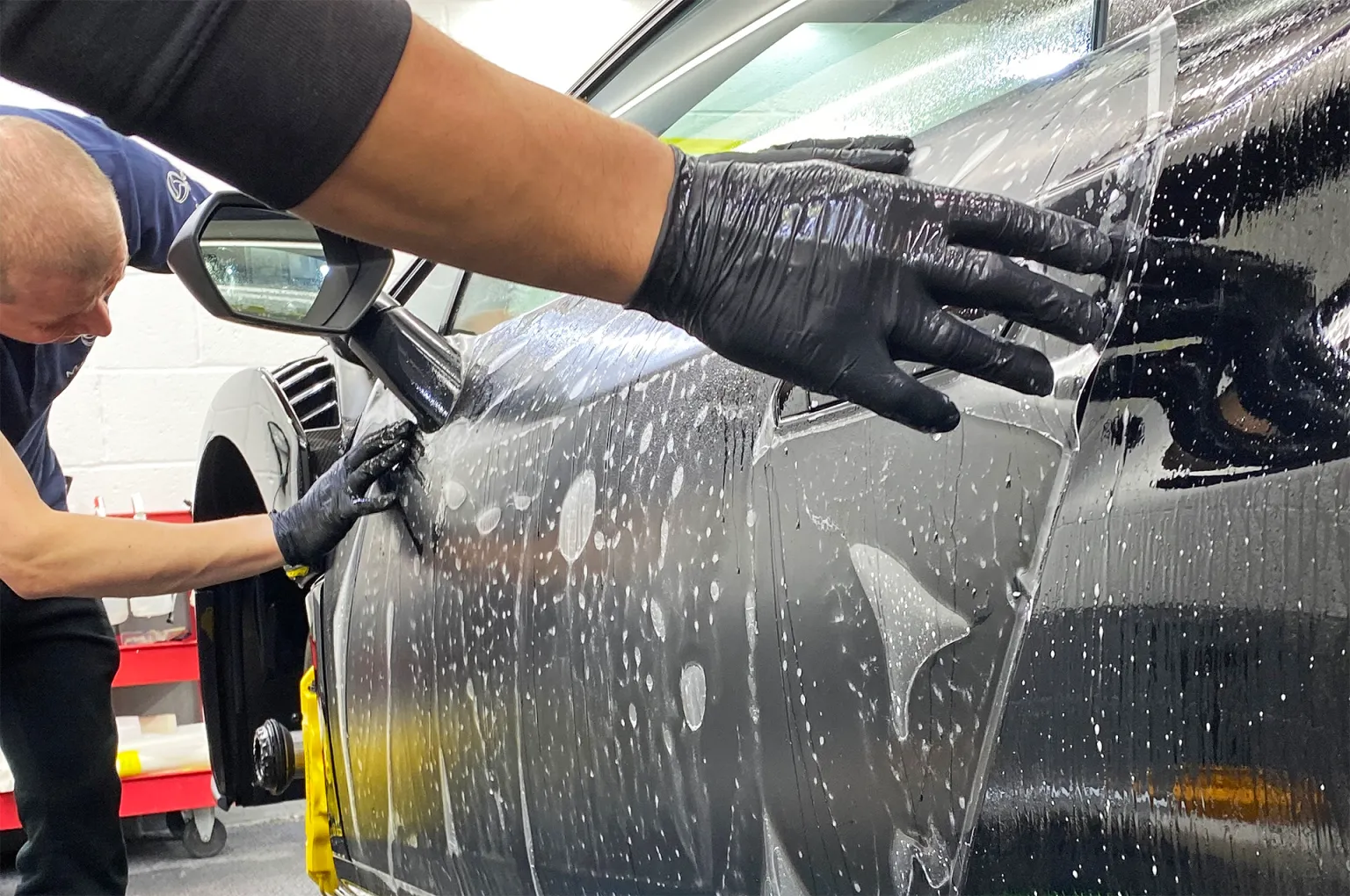
Professionals have the experience and tools to carefully remove aging or degraded PPF, which can be tricky and prone to damaging your car’s finish. They can also handle stubborn adhesive residue, removing the hassle of you taking care of it yourself.
It’s important to note that while careful attention to detail is used when removing PPF, damage can still occur.
Get a Free Quote for #201WRAP’s PPF Services
Whether you need expert PPF removal or are looking to install high-quality paint protection film, #201WRAP has got you covered.
Contact us today to get a free quote for our professional PPF services!