

How Long Does Ceramic Coating Last?
Your vehicle is constantly exposed to harsh UV rays, road grime, and contaminants that dull its shine and damage its paint. Even with regular washing, water spots, swirl marks, and fading can make it hard to maintain a showroom finish. Continuous exposure to environmental threats, airborne debris, and pollution further affects your vehicle’s surface over time.
That’s where #201WRAP can help. Our team provides professional protection solutions that improve appearance and simplify maintenance. Using advanced detailing, paint polishing, and high-quality products trusted across the automotive industry, we help preserve your vehicle’s finish and deliver reliable exterior protection.
What Is the Lifespan of Ceramic Coating?
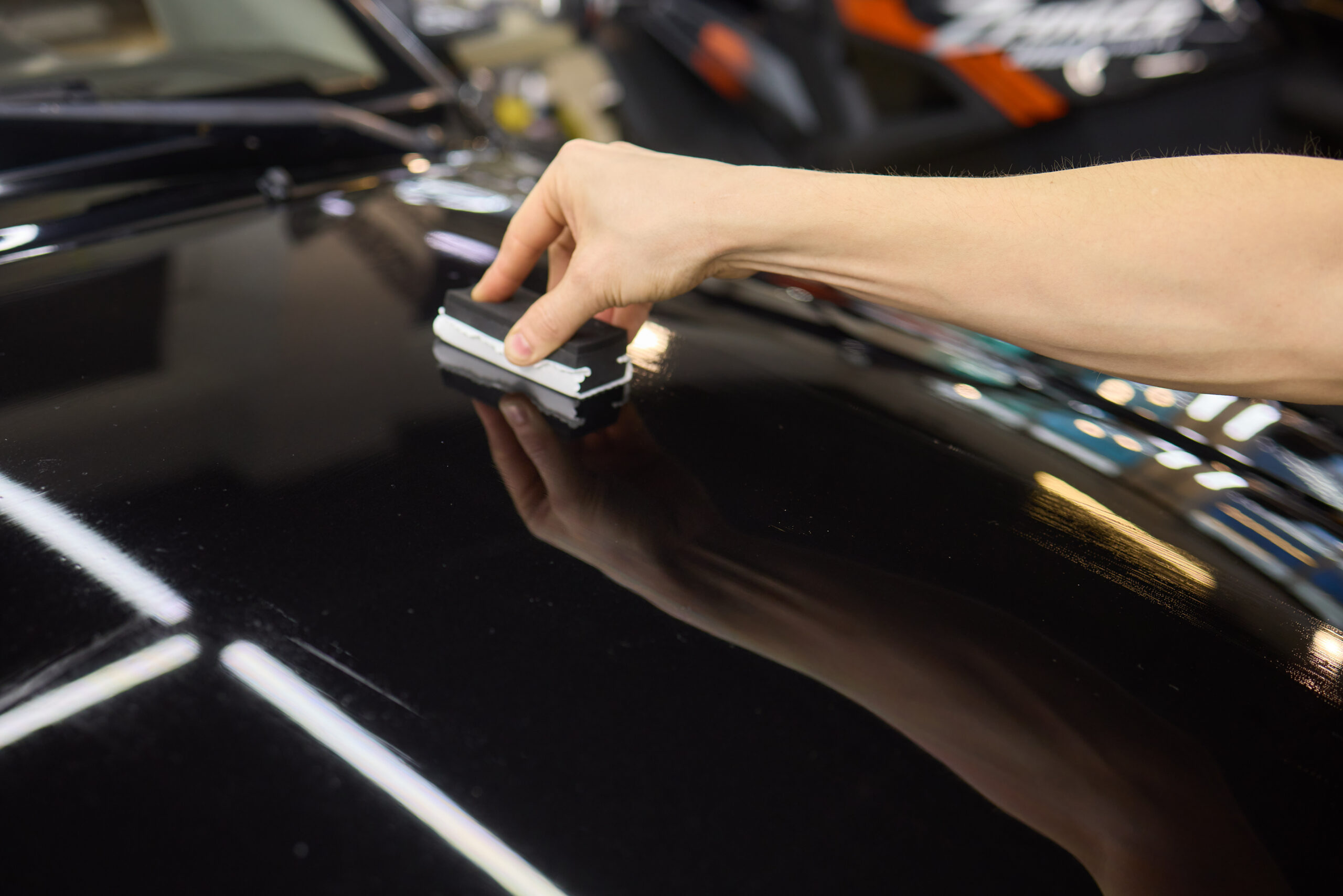
A ceramic coating typically lasts between 2 to 10 years, depending on product quality and installation. Professional ceramic coatings often last 5 to 10 years, while DIY options last 2 to 3 years. Compared to traditional car wax, ceramic coatings offer stronger durability and better resistance to contamination.
Coating longevity depends on preparation, care, and driving conditions. Proper paint correction, routine washing, and protection from UV rays and road contaminants help extend the coating’s lifespan, maintain gloss, and preserve its hydrophobic properties.
What Factors Affect the Lifespan of Ceramic Coating?
Several factors influence the lifespan of ceramic coating. While it provides excellent shine and protection, its durability depends on the type of coating, how it’s applied, and the environmental conditions your vehicle encounters. Understanding these factors can help you protect your automotive paint and get the most out of your investment.
Understanding these factors can help you get the most out of your investment and keep your vehicle looking its best for years, while also helping you decide if it’s truly worth it for your vehicle.
Type of Ceramic Coating
Automotive-grade ceramic coatings applied by experts usually last 3 to 5 years, offering superior paint protection compared to DIY kits, which typically last 1 to 2 years. Advanced formulas, such as nano-ceramic coating technology, create stronger bonds with the paint surface and improve resistance to water penetration, oxidation, and contamination.
Application Process
A professional-applied ceramic coating ensures even coverage and allows the coating to properly cure, forming a durable protective layer. Uneven application can reduce performance and durability. While ceramic coatings improve gloss and protection, they do not prevent scratches.
Vehicle Maintenance
Proper maintenance is essential to protect clear-coat finishes and extend the coating’s lifespan. Consistent regular car cleaning helps prevent contaminants from bonding to the surface and reduces the risk of water seeping through, which can slowly degrade protective layers.
Environmental Factors
Exposure to sunlight, rain, snow, salt, environmental contaminants, and extreme weather conditions can gradually degrade coatings. Long-term exposure to UV radiation can lead to oxidation and UV damage, while moisture buildup may eventually lead to rust if paint protection fails.
Vehicle Usage
Vehicles that are frequently driven are more exposed to contaminants and other environmental factors, wearing down the coating more quickly. Especially when driving at higher speeds, it is exposed to greater abrasion from dust, sand, and other solid particles, which gradually reduces the effectiveness of its protective layer.
Why Professionally Applied Ceramic Coating Lasts Longer
When deciding between professional vs DIY ceramic coating kits, professionally applied coatings consistently deliver longer-lasting protection and better overall performance. It comes down to preparation, professional application technique, and curing conditions.
Professional-grade coatings contain higher levels of SiO₂ (silicon dioxide), creating a thicker, harder protective layer. This improves durability, water repellency, chemical resistance, and long-term gloss retention.
Complete paint correction, including decontamination, clay bar treatment, and polishing, ensures the coating bonds directly to clean paint. Proper preparation significantly improves adhesion and overall longevity.
Application occurs in controlled environments with managed temperature and humidity. Heat-assisted curing may also be used to strengthen bonding, increasing hardness and long-term performance.
Advanced formulas and proper curing provide strong protection against UV rays, oxidation, acid rain, bird droppings, road salt, and chemical contaminants, helping preserve paint condition over time.
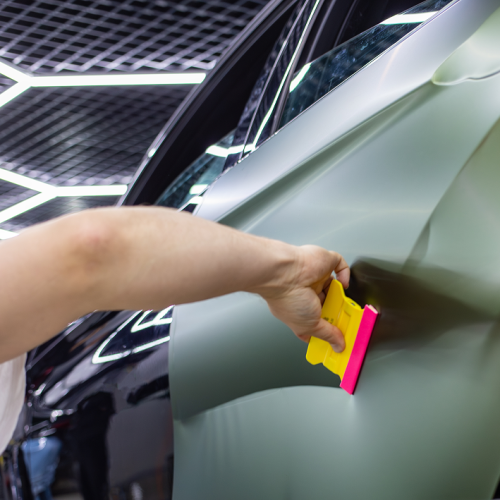
For even stronger protection against physical damage like rock chips and scratches, some vehicle owners combine ceramic coatings with paint protection film for added surface durability.
How to Tell If Your Ceramic Coating Needs Reapplication
Ceramic coatings provide durable protection, enhanced gloss, and easier maintenance, but they aren’t permanent. Over time, constant exposure to sunlight, weather, road contaminants, and regular washing gradually reduces their effectiveness.
Recognizing the early signs of wear allows you to restore protection before your vehicle’s paint becomes vulnerable to damage.
Loss of gloss and shine
If your vehicle appears dull or less vibrant than it once did, the ceramic coating may be wearing thin. As the coating degrades over time, it loses its ability to enhance depth and reflectivity, causing the paint to look flat or faded. This is often one of the first visible signs that the coating’s protective performance is diminishing.
Reduced water beading
Difficulty cleaning your vehicle
If washing becomes more difficult, it may be time to reapply the ceramic coating. This is because dirt and grime adhere more easily to the vehicle’s surface as the coating wears off.
Surface scratches and swirl marks
Minor abrasions and swirl marks can become more visible over time, especially when vehicles are washed with improper methods, such as abrasive wash techniques or frequent visits to an automated car wash.
How to Maintain Your Vehicle’s Ceramic Coating
Maintaining your vehicle’s ceramic coating is key to preserving its longevity and keeping your car looking flawless. With the following simple but effective maintenance practice, you can ensure that your ceramic coating stays strong and continues to protect your vehicle for years to come.
- Clean Your Vehicle Regularly – Wash your vehicle every one to two weeks to remove dirt, road grime, and surface contaminants. Routine cleaning prevents buildup that can weaken the coating’s hydrophobic properties and reduce its overall protective effectiveness.
- Protect Your Vehicle From Harsh Environmental Factors – Whenever possible, park in a garage or shaded area to limit UV exposure and environmental damage. Reducing contact with acid rain, bird droppings, and tree sap helps extend coating durability.
- Address Stains and Contaminants Promptly – Remove bird droppings, bug residue, and tree sap immediately to prevent surface etching. Prompt cleaning stops contaminants from breaking down the coating and protects the vehicle’s finish.
- Avoid Harsh Chemicals and Abrasive Cleaning Methods – Always use a pH-neutral car shampoo and a microfiber wash mitt to prevent coating damage. Avoid abrasive tools, strong solvents, and acidic cleaners, as they can degrade the ceramic protective layer.
- Schedule Regular Inspections – Inspect the coating regularly for dull spots, weaker water beading, or minor imperfections. Early detection of wear allows timely maintenance before more noticeable damage develops.
- Have Professional Maintenance and Touch-Ups – Scheduling periodic inspections and touch-ups with #201WRAP ensures the ceramic coating remains strong and visually consistent.
Why Investing in Ceramic Coating is Worth It
Investing in a car paint coating is worth it because it provides long-term paint protection, enhanced gloss, and reduced maintenance compared to traditional waxing. When properly applied and maintained, a high-quality ceramic coating preserves your vehicle’s finish, helping maintain its appearance and resale value over time.
Ceramic coating forms a durable, hydrophobic layer that protects against UV rays, oxidation, acid rain, bird droppings, and chemical contaminants. Similar to a ceramic sealant, it keeps the surface smoother and easier to maintain. While it won’t prevent rock chips or deep scratches, it helps reduce surface damage and keeps your vehicle cleaner and shinier longer.
Get a Free Quote from Jacksonville’s Ceramic Coating Experts
Trust the professionals at #201WRAP to give your car the protection it deserves. With years of experience, top-grade products, and manufacturer-certified experts, we’ll ensure your vehicle receives an ultimate ceramic coating solution designed to protect your paint and support long-term car care.
Contact us today for a free quote for your vehicle’s ceramic coating service!