

Which One’s Better: Ceramic Coating vs PPF
When it comes to protecting your vehicle’s finish, two popular options stand out: ceramic coating vs. PPF (paint protection film).
Both offer impressive defenses against environmental damage, but their methods and other benefits differ significantly.
In this article, you can explore each option’s unique features, advantages, and applications, helping you decide which solution is the most suitable for your needs in terms of vehicle protection and aesthetic appeal.
What is the Difference Between Ceramic Coating and Paint Protection Film (PPF)?
Ceramic coating and paint protection film (PPF) are both great options for protecting your vehicle’s exterior. However, the types of protection they offer are different.
Ceramic coating is a liquid polymer that bonds with your vehicle’s finish on a molecular level.
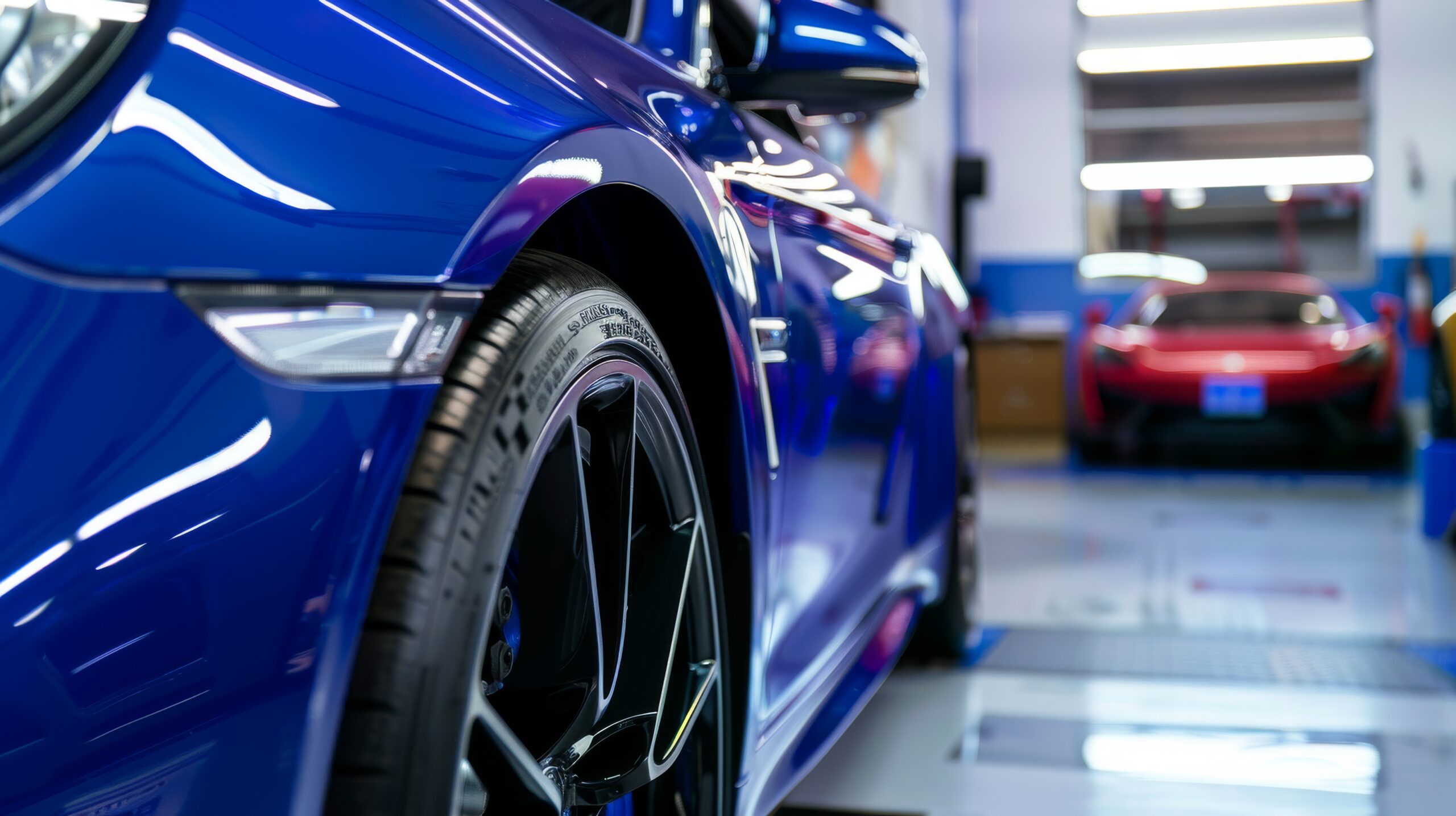
It creates a glossy, hydrophobic layer that protects against UV rays, chemicals, stains, and dirt. And, with the gloss it provides, the coating gives your vehicle a different candy-like shine that is unique to ceramic coating. However, it can’t protect your vehicle from more significant scratches or chips.
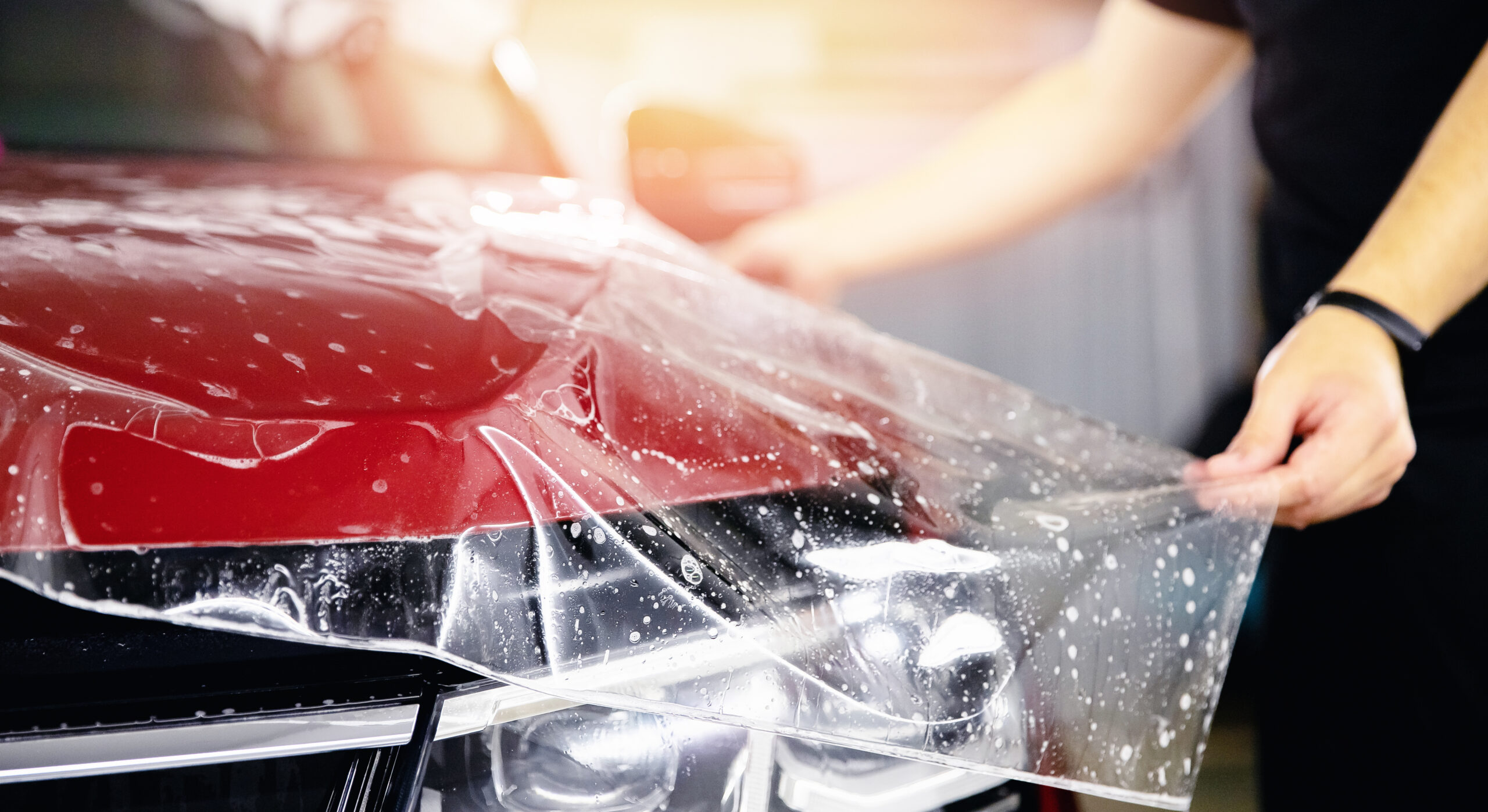
Paint protection film, or PPF, on the other hand, is a thick, transparent film applied to your vehicle’s surface.
It provides lasting protection from physical damage caused by rock chips, road debris, and scratches through the self-healing ability of its TPU material. However, unlike ceramic coating, PPF has a slight texture that may be noticeable but not as flattering and may turn yellow or become cloudy over time, especially if exposed to harsh conditions.
Understanding Ceramic Coating
Ceramic coating is a liquid polymer made of silicon dioxide (SiO2).
When applied to a vehicle’s surface, it bonds on the molecular level with its finish, forming a hard, protective layer that acts as a barrier between the paint and the elements.
This results in a shield that can protect your car’s finish from minor scratches and swirls, and the damaging effects of the sun’s UV rays, acid rain, animal droppings, tree sap, and other contaminants that can cause corrosion, staining, and discoloration.

The Benefits of Ceramic Coating
Ceramic coating offers a comprehensive solution for vehicle maintenance, elevating both aesthetics and durability.
Enhanced shine
Ceramic coating gives your vehicle’s finish that has a more noticeably intense luster than wax or sealant. It can also fill in microscopic imperfections, giving it a smoother surface that reflects light evenly.
Easier cleaning
Ceramic coating possesses hydrophobic properties, preventing water spots from forming and making it easier to remove dirt, grime, and bird droppings from the car’s surface.
Protection against fading, oxidization, and discoloration
Having your vehicle ceramic coated can protect its finish from fading, oxidization, and discoloration caused by UV rays, acid rain, industrial pollutants, and other substances.
Provides a scratch-resistant surface
Although it is not scratch proof, ceramic coating can resist some light scratches to ensure its smooth surface remains.
Long-lasting protection
Unlike wax or sealants, the protection provided by ceramic coating can last for several years, eliminating the need for frequent reapplications.
Increased resale value
A vehicle that looks better and has a pristine finish can attract more potential buyers and be sold at a higher resale value.
The Advantages of Ceramic Coating Over PPF
Ceramic coating is better than PPF in terms of aesthetics, ease of maintenance, and price.
It can enhance the vehicle’s appearance with a deep, glossy finish, which is what PPF typically lacks. Ceramic coating also provides superior UV protection, preventing paint from oxidizing and fading over time. Its hydrophobic properties make it easier to clean your vehicle, as water, grime, and mud are more likely to bead up and roll off of its surface.
And, ceramic coating is typically more affordable than a full-body application of paint protection film.
The Best Applications of Ceramic Coating
Ceramic coating is a versatile and highly effective solution for protecting a vehicle’s finish and enhancing its appearance.
Here are some of the best applications of ceramic coating:
New and freshly painted vehicles
Ceramic coating new or freshly painted vehicles is a smart move. The coating acts as a protective barrier against environmental contaminants, UV rays, and minor abrasions, ensuring the finish stays flawless for years.
Show cars
Show cars need to appear their best. Ceramic coating is invaluable when it comes to this because it enhances the paint’s depth and gloss, giving it a candy-like gloss that stands out in any showroom or event.
High-end vehicles
Ceramic coating provides the extra layer of protection that high-end vehicles deserve by shielding them from the elements and daily wear. And, it enhances the car’s already impressive appearance.
Vehicles exposed to harsh elements
Frequent exposure to heavy rain, snow, salt, or extreme temperatures can accelerate the fading and discoloration of your vehicle’s finish. If your vehicle is exposed to these conditions, a ceramic coating is a must to maintain the pristine appearance of your vehicle and ensure its longevity.
Understanding PPF
PPF (paint protection film) is a transparent, self-healing polyurethane film applied to your vehicle’s clean and polished exterior.
It protects your vehicle’s paint from scratches, chips, and other damage. It also provides protection against the elements, chemicals, and UV rays, preserving the quality of your vehicle’s finish by preventing fading and oxidation.
Because of this, PPF is widely used on high-impact areas of vehicles, such as the front bumper, hood, side mirrors, and doors. But, it can also be applied to their entirety for full-body protection.
The Benefits of Paint Protection Film
Paint Protection Film (PPF) is an essential investment for any vehicle owner looking to maintain their car’s pristine appearance and value.
Prevents damage to your vehicle’s finish
The flexible and durable material of PPF absorbs energy from minor impacts by rocks, gravel, and other road debris, preventing damage to your vehicle’s paint job.
Self-healing properties
When the film is scratched or scuffed, the heat from the sun or warm water causes it to return to its original shape, effectively healing surface-level imperfections to maintain a smooth finish.
Protects against fading
PPF blocks harmful UV rays from the sun and prevents tree sap, bird droppings, and road salts from coming into contact with your vehicle’s finish. This prevents the pain from fading, oxidizing, etching, or staining.
Customizable application
PPF can be applied to the entire vehicle or only to high-impact areas like the hood, bumper, and side mirrors, allowing you to take advantage of its protective benefits without going over your budget.
Invisible protection
When applied properly, PPF is virtually invisible, preserving the original appearance of your vehicle while protecting its finish.
Long-lasting durability
PPF can last for 5 to 10 years with proper care. During its lifespan, you can expect it to provide your vehicle’s paint with
The Advantages of PPF Over Ceramic Coating
Paint protection film offers several advantages over ceramic coating in terms of physical protection.
Unlike ceramic coating, this thick, durable material can shield your vehicle from road debris that may chip or scratch its finish. Its self-healing properties also allow your vehicle to maintain its flawless appearance.
And, PPF can be applied in full or to specific parts of your vehicle, allowing for more customizable protection based on your needs and budget.
The Best Applications of PPF
Paint protection film (PPF) provides highly durable protection against physical damage like scratches, rock chips, and road debris, making it an excellent solution for a variety of vehicle types and parts.
Partial protection
There’s no need to cover the whole vehicle with PPF to experience its benefits. Covering high-impact areas goes a long way toward preventing chips and scratches from damaging your vehicle’s original finish. Common areas of PPF application include the front bumper, hood, mirrors, and door edges.
Luxury vehicles
PPF can help maintain the pristine condition of a luxury vehicle’s finish without compromising its elegant appearance. This ensures the significant investment that went into them does not go wasted due to minor abrasions, road debris, and harsh weather conditions.
Sports cars
The high speeds and intense driving conditions that sports cars go through make them more prone to damage from road debris and other hazards. Applying PPF to sports cars allows owners to drive them confidently while protecting their finish from chips, scratches, and bug splatter.
Daily drivers
PPF is a great way to protect your vehicle’s paint from everyday wear and tear, ensuring your daily driver stays looking new for longer and allowing you to save on maintenance and touch-ups.
High-traffic and fleet vehicles
Vehicles like fleet vehicles or delivery trucks spend significant time on the road, increasing their risk of damage from rocks, road debris, and environmental contaminants. PPF can provide them with the protection they need to maintain a professional, clean appearance.
A Side-by-Side Comparison: Ceramic Coating vs PPF
When considering the best protection for your vehicle, understanding the differences between ceramic coating and paint protection film (PPF) is essential.
Protection Level
The thick, impact-resistant layer of PPF provides the best protection against damage from rock chips, scratches, road debris, and minor collisions due to its ability to absorb and deflect impacts. Meanwhile, given that it’s not designed to protect against physical damage, ceramic coating only offers minor scratch resistance, at best, for the underlying finish.
However, ceramic coating is superior when it comes to protecting cars from UV damage caused by the sun and chemical damage brought by tree sap, bird droppings, bug splatter, road salts, and other contaminants.
In contrast, although PPF has some UV resistance, it does not have the broader protection of ceramic coating against chemical damage and may discolor or degrade against harsher substances.
Longevity and Durability
Ceramic coating typically lasts 2 to 5 years, depending on the quality of the coating, environmental conditions, and how well it is maintained.
Some may even last longer with higher-end coatings and proper care. However, some reapplication may be required to ensure complete coverage and sustain maximum protection.
On the other hand, PPF can last for 5 to 10 years or longer, with many manufacturers offering warranties on their products. And, paint protection films possess self-healing properties that allow minor scratches to disappear with exposure to heat from the sun or warm water.
Aesthetic Appeal
Ceramic coating can enhance your vehicle’s paint with a deep, glossy finish, making it more vibrant and polished. As for PPF, it offers a shiny finish.
It doesn’t provide the same level of gloss that ceramic coating offers. Moreover, given their thickness, paint protection films may affect the clarity of the vehicle’s paint, especially darker colors.
Cost
The cost of ceramic coating a vehicle ranges from $500 to $2,000, depending on the product quality, size of the vehicle, and level of detailing required before application.
On the other hand, you can expect PPF to be more expensive, ranging from $1,500 to $7,000 for partial applications and more for full coverage of your vehicle.
Both options require minimal maintenance. However, ceramic coating may require touch-ups if the coverage becomes uneven due to environmental factors, chemical exposure, physical damage, or a lack of maintenance.
Ease of Maintenance
Ceramic coating makes washing your vehicle easier due to its hydrophobic properties.
Regular washing is recommended once every one to two weeks, using water and ph-balanced soaps. But, to maintain the gloss and performance, periodic detailing every 6 to 12 months may be required to remove anything that regular washing may miss. And, some professional touch-ups or reapplications may be required, especially if your vehicle receives significant and frequent exposure to the elements or harsh conditions.
PPF is the same when it comes to making it easier to clean your vehicle, but it requires less frequent cleaning and detailing.
However, it can be susceptible to staining from certain substances like bird dropping or tree sap, which is why these need to be cleaned promptly. And, if it gets damaged, replacement of a whole panel may be necessary, which is often more expensive than a ceramic coating touch-up or reapplication.
Which One Should You Choose - Ceramic Coating or PPF?
Both ceramic coating and paint protection film (PPF) provide valuable protective benefits for your vehicle.
Combining PPF and ceramic coating can provide the best of both worlds, offering physical and chemical protection. And, you have the option of covering only the high-impact areas or getting full PPF coverage for your vehicle.
However, you may prefer only getting one due to your budget or preferences. If you want to have the best shine and superior protection against UV rays and chemical damage, ceramic coating is your best option. On the other hand, if you want protection against physical damage, PPF is recommended.
Trust #201WRAP for Your Vehicle’s Protection Needs
Ready to protect your vehicle and enhance its appearance? Whether you need ceramic coating, PPF, or both, the #201WRAP team is certified by paint protection product manufacturers, so you can expect us to deliver the best long-term results for your vehicle.
Contact us today to get a free quote tailored to your budget and needs!