

How Long Does a Car Wrap Take?
You’re ready to transform your car with a stunning new wrap, but there’s one question on your mind: how long does a car wrap take?
Whether you’re wrapping a personal vehicle or an entire fleet, the timeframe can vary.
In this article, you will learn the average time it takes to finish a car wrap, the factors influencing this time, and the step-by-step process for wrapping a vehicle.
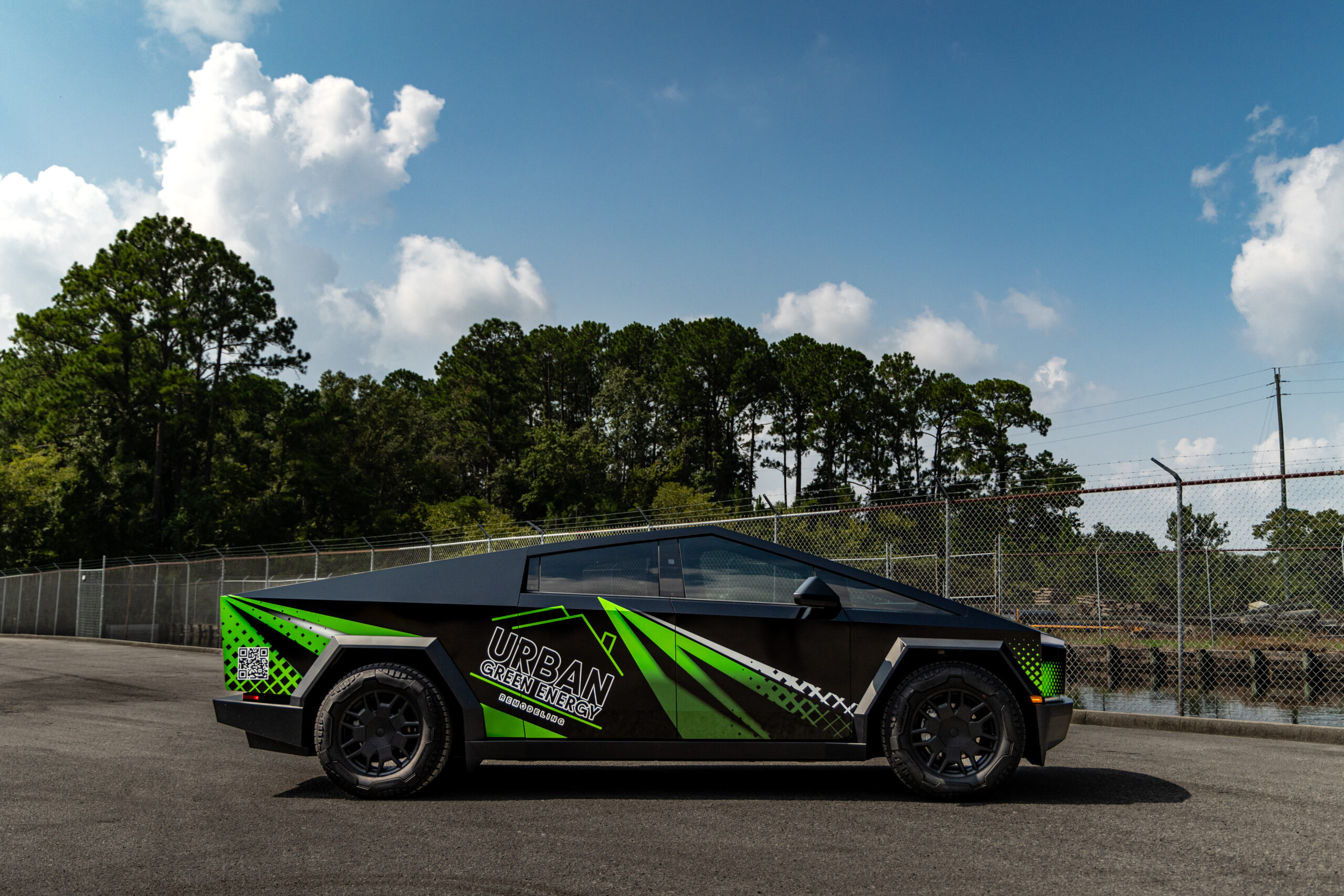
Average Timeframe for Different Wrap Types
When it comes to vehicle wrapping, the timeframe for completion varies depending on the type of wrap and the size of your vehicle.
Here are the average times it takes for different vehicle wrap types to finish, from vehicle preparation to inspecting the quality of the vehicle wrap done:
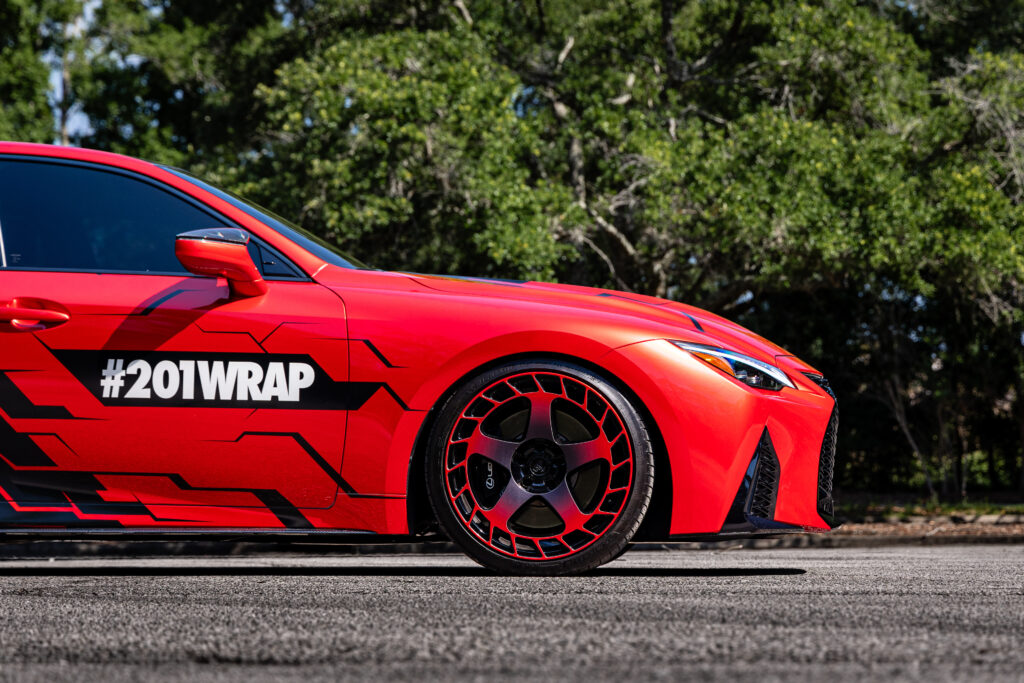
Full wrap for cars and small SUVs
1 to 2 days

Full wrap for trucks and vans
2 to 3 days
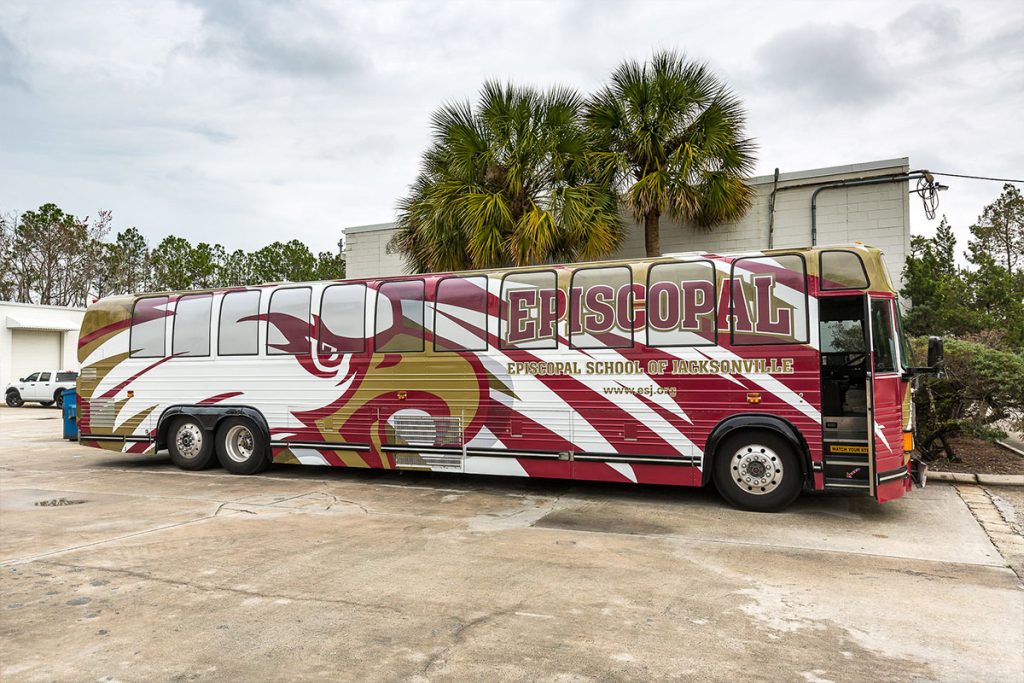
Full wrap for RVs and buses
3 to 5 days
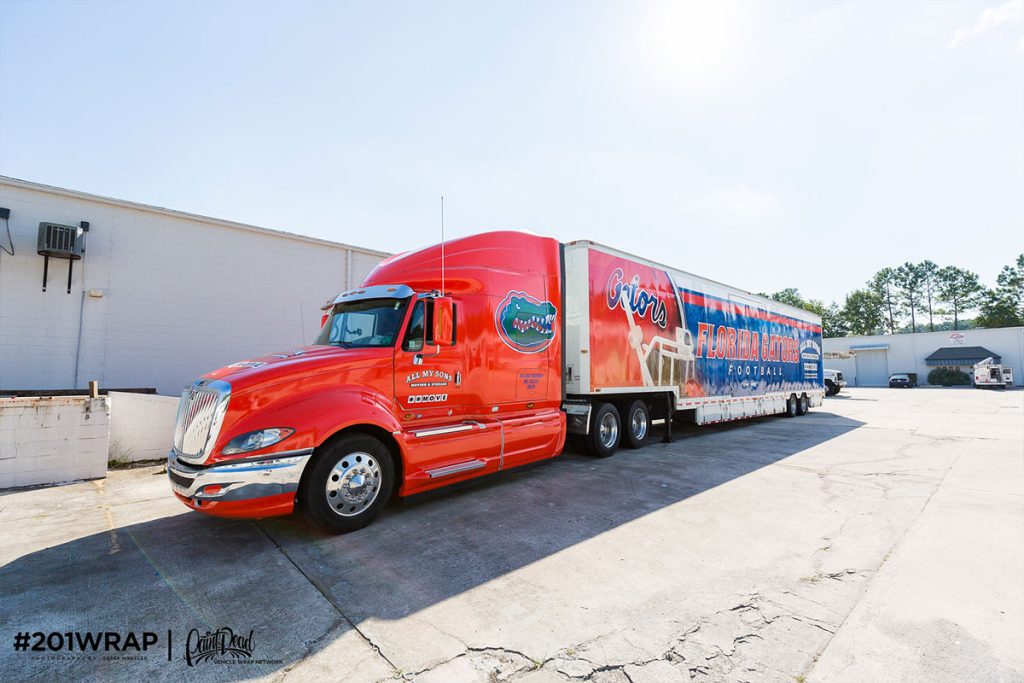
Full wrap for commercial trucks
3 to 5 days
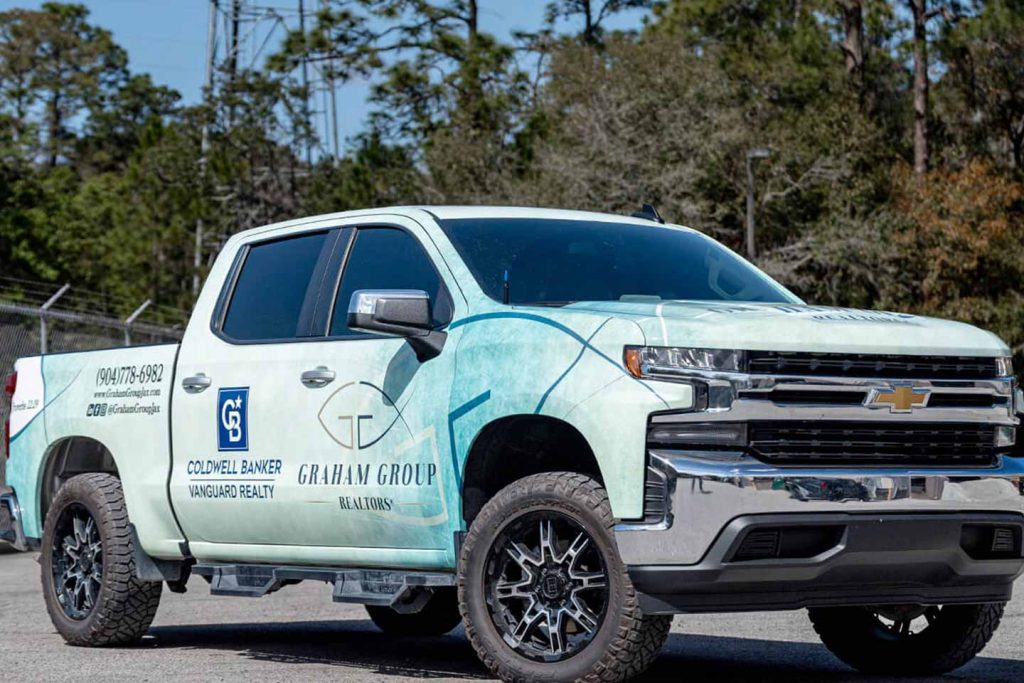
Partial wraps
1 to 3 days, depending on the size of the wrap
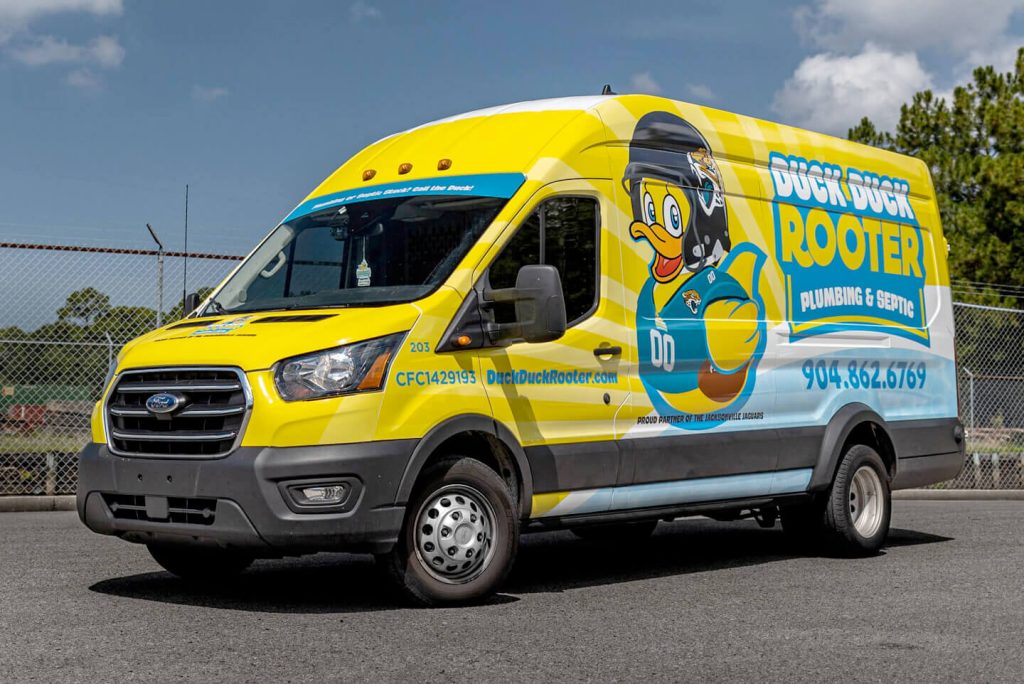
Fleet vehicle wraps
Varies based on fleet size
The time frames provided above are only the average times you can expect to finish the wrap types mentioned. There are factors that may cause the process to take longer than expected.
How Different Factors Influence the Time It Takes to Wrap a Vehicle
When wrapping a vehicle, there are several factors that can affect how long the process takes.
Understanding them can help you set clear expectations about the timeframe and determine when your vehicle wrap is taking more time to finish than what is acceptable.
Vehicle Size and Complexity
The size and shape of your vehicle have a significant effect on how long it will take to finish wrapping it.
Larger vehicles, like trucks and vans, require more installation time and materials than sedans or compact cars. And, vehicles with intricate bodywork, like the curves, crevices, or unique features of exotic cars, demand greater attention to detail during installation to deliver an acceptable result.
Design Complexity
The complexity of the vehicle wrap design is another factor that affects how long the process will take.
Simple, solid-color wraps can be applied relatively quickly, while wraps with more intricate designs or custom graphics may require extra time in installing them or designing and printing them before wrap installation.
Condition of the Vehicle
The condition of the vehicle affects the timeframe for completing a vehicle wrap.
This is due to vehicle wraps requiring a clean, smooth surface to adhere properly to your car’s finish. If there are any dents, minor scratches, rust, or peeling paint, these must first be addressed before the vinyl wrap is applied, adding extra steps and lengthening the turnaround time of the project.
The Vehicle Wrapping Process
Wrapping a vehicle is a process that requires precision, skill, and attention to detail. Each step taken is essential to creating a flawless, long-lasting wrap on your vehicle.
Here’s a breakdown of the process that you can expect from any professional vehicle wrap installer:
Initial Consultation
This step involves an initial consultation between you and the vehicle wrap professional. During this meeting, the following points are discussed:
Your vision for the wrap
This is where you share your ideas, goals, and what you achieve with wrapping your vehicle. The wrap professional listens to your preferences while ensuring that the design fits your vehicle’s shape and your style and needs.
Options for color and finishes
The wrap professional provides you options on color and finishes based on your vision. They will also explain how different finishes will interact with your vehicle’s surface and the maintenance considerations you need to be aware of.
Custom design elements
If you’re looking for something completely unique or require a branded vehicle wrap design for your business, custom design requirements and preferences are also discussed. This is the time to outline your ideas and discuss the placement of design or branding elements.
Conceptualization, Design, and Production
If you have a custom wrap design for your vehicle, the process will undergo this extra step before preparing your vehicle for vinyl wrapping.
Designers will start working on the wrap concept, where your ideas and preferences come to life on a digital canvas. This step also allows the designers to see exactly how the wrap will look on your vehicle’s contours and curves, ensuring precision and the best possible outcome. For business wraps, special attention is given to ensuring the design aligns with branding guidelines, from the logo to typography and placement.
The design will be sent for your review and approval before being finalized. Any feedback and requests for revisions will be taken into account before providing a revised design.
Once any revisions are made, and you’re happy with the final design, it will be printed with large format printing equipment on the vinyl wrap material.
Vehicle Preparation
Before applying the wrap, the vehicle must be meticulously cleaned and prepped to ensure the vinyl adheres properly and lasts as long as possible.
The preparation includes a thorough wash to remove dirt, grime, and debris that could interfere with the wrap and inspecting the vehicle’s surface for any minor scratches, dents, or rust spots. Minor repairs may be necessary to ensure the surface is smooth and ready for wrapping and prevent damage on your car's original paint when removing the wrap.
Vinyl Application
Once the vehicle is prepped, the application of the vinyl wrap begins.
Sheets of vinyl wrap are applied with the use of heat and specialized tools to carefully stretch and smooth the material over the vehicle’s curves, edges, and contours while ensuring no air bubbles or wrinkles are trapped under the surface. Typically, a single sheet is used for each panel of your vehicle’s body to ensure a seamless result.
The vinyl wrap application may take several hours to a few days depending on the size of your vehicle and the complexity of your vehicle wrap design.
Trimming and Finishing
After the large sheets of vinyl are applied, excess vinyl is carefully trimmed away from the edges, door handles, lights, and other vehicle features, ensuring there are no gaps or overlaps.
Vinyl wrap installers will pay close attention to the smallest details to ensure that every corner and curve is nearly wrapped. Some designs, especially more complex ones may require finishing touches, such as protective coatings or additional accents to enhance the final look.
Quality Inspection
A thorough inspection is done before handing the vehicle back to you.
This is done to ensure the wrap on the entire vehicle meets the standards and there are no bubbles, creases, or other imperfections.
Understanding the Timeline for Your Car Wrap
Understanding how long a car wrap takes is essential for planning this project and setting your expectations.
The duration of the wrapping varies on the type of vehicle, the complexity of the design, and the condition of the car.
To summarize, a full wrap for sedans and small SUVs takes about 2 to 3 days with larger vehicles taking longer, while partial wraps can be completed within 1 to 2 days.
For company fleet vehicles, the timelines may vary depending on the number of vehicles and the efficiency of the wrap installer.
Get Your Vehicle
Wrapped Fast and Flawlessly with #201WRAP!
Transform your vehicle with a stunning high-quality wrap applied with precision and care with #201WRAP. And, with our dedicated facilities and manufacturer-certified team, you can expect efficient and flawless results whether it’s a vehicle wrap, custom wrap, or paint protection for a single vehicle for personal use or for your business’ fleet of vehicles.
Contact us today for a free quote! Experience the difference that our expertise and facilities can make in wrapping your vehicle fast and flawlessly. Let #201WRAP bring your vision to life!