

Can You Take a Wrapped Car Through a Carwash?
A vehicle wrap is an investment, and protecting it from scratches, fading, or peeling is essential. Whether for personal customization or business branding, one wrong wash can ruin the finish and lead to costly repairs. Many drivers wonder: Will a car wash damage my wrap?
At #201WRAP, we help drivers throughout Florida keep their wraps looking flawless for years. From commercial fleets to custom personal designs, we understand how easily damage can occur and how simple it is to prevent it with the right approach. Proper application and regular maintenance prevent signs of wear, keeping your wrap looking fresh.
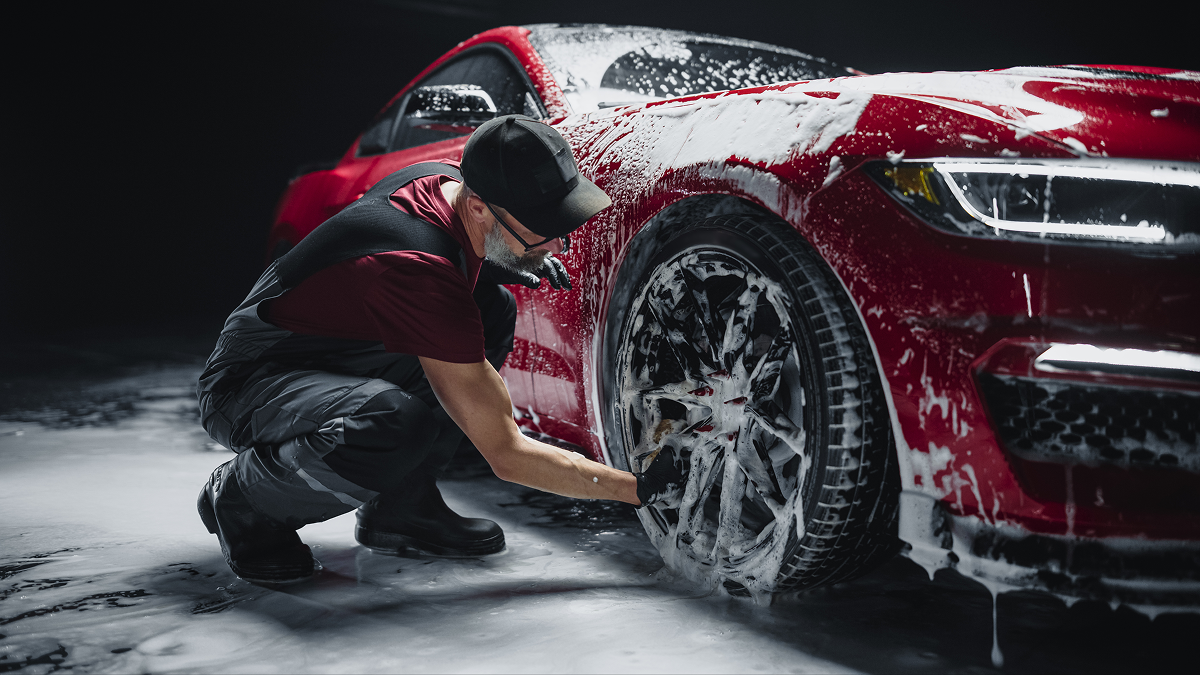
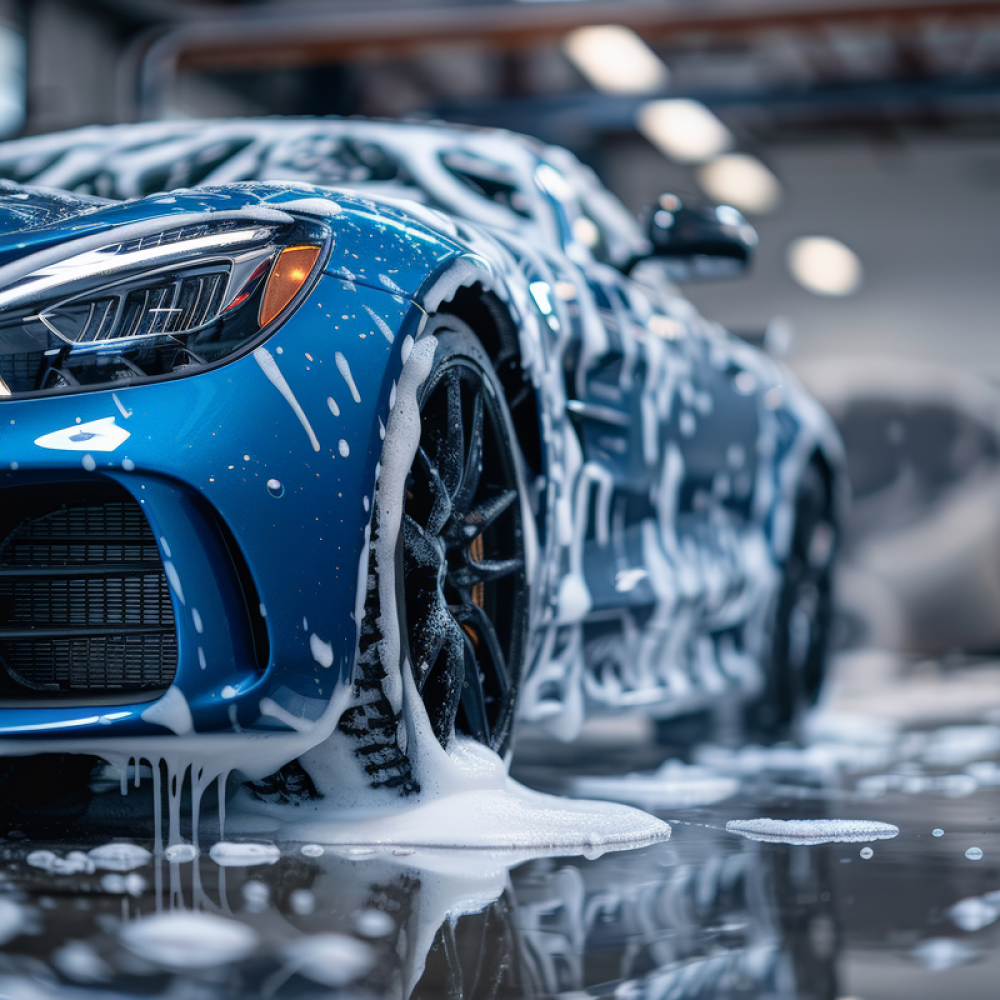
Will a Carwash Damage a Wrapped Car?
Yes, a car wash can damage a wrapped car, but only if the wrong type is used. Brush-style automated car washes are the most dangerous, as their rotating bristles and strong pressure water jets can scratch the wrap or lift its edges. These types of car washes are not recommended for wrapped vehicles.
The risk varies depending on the washing method, equipment, and cleaning agents used. Touchless car washes are generally safer, but strong detergents or high water pressure can still weaken the wrap over time. For the best protection, a hand wash with microfiber towels and wrap-safe products is always the safest option.
When Is It Safe to Bring a Newly Wrapped Car Through a Carwash?
You should wait at least 72 hours after getting your vehicle wrapping completed before taking it through any type of carwash. This drying period allows the vinyl and adhesive to fully set, ensuring the wrap won’t lift, bubble, or shift when exposed to water pressure or cleaning solutions.
During this curing time, the wrap is still settling into curves, edges, and recessed areas, making it more vulnerable to damage. Even touchless car washes can be risky too soon, as strong detergents or high-pressure jets may interfere with the adhesive bond. After the 72-hour window, hand washing is the safest first wash before using any automated system.
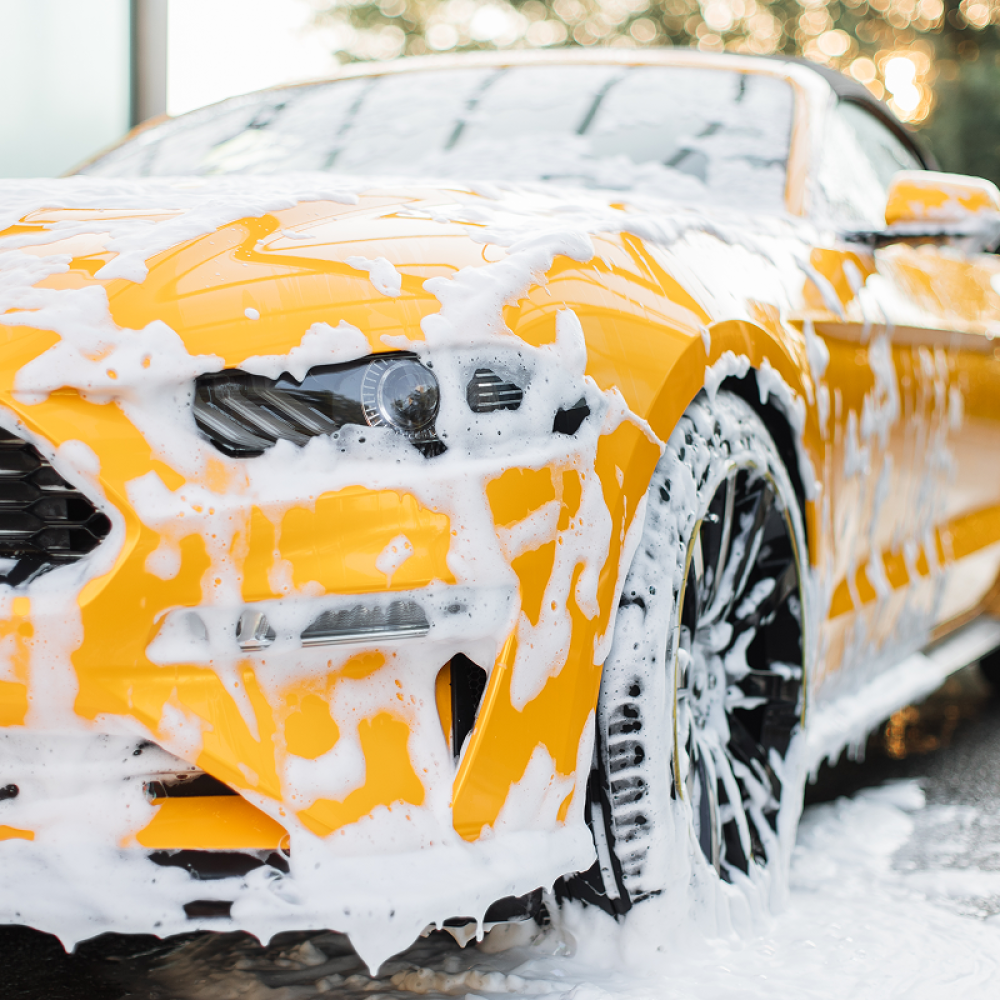
What Damages a Car Wrap During Washing?
Wrapping a car offers many benefits, including protecting the original paint, adding a unique look, and increasing resale value. However, washing a wrapped car may seem simple, but using the wrong methods can quickly damage a vinyl car wrap. Wraps are durable, but they still require gentle, proper care to maintain their appearance and adhesion.
Understanding what can harm a wrapped vehicle during washing is essential. Harsh tools, strong chemicals, and improper pressure can cause scratching, fading, lifting, or even permanent damage to the wrap. Here are the most common mistakes that can compromise the appearance and durability of your vehicle wrap.
Abrasive Tools and Rough Cloths
Using abrasive brushes, rough sponges, or coarse towels can scratch or dull the wrap, especially matte or satin finishes. Always use soft microfiber cloths or mitts to avoid damaging the wrap’s surface. Proper tools are especially important for maintaining the look of personal car wraps, which often feature detailed designs or custom finishes.
Improper High-Pressure Washing
High-pressure jets can lift edges or force water under the wrap, especially near seams. When using a pressure washer, follow strict guidelines: a maximum pressure of 1,200 psi, a 40-degree nozzle, and a minimum distance of at least 12 inches.
Due to these risks, hand washing remains the safest method. This is especially important for commercial vehicles or fleets, which are washed frequently and need consistent protection
Automatic or Brush-Style Car Washes
Automatic car washes with rotating brushes or high-pressure jets can scratch the vinyl, lift edges, or push soap beneath the adhesive. Even touchless systems must use mild detergents and low pressure. For the safest results, hand washing is strongly recommended.
Hot Water
Very hot water can soften, distort, or warp the vinyl wrap. Always wash using cool or room-temperature water below 180°F to protect the wrap’s structure and finish.
Harsh Chemicals and Non-Vinyl-Safe Cleaners
Chemicals that are petroleum-based, acidic, alcohol-based, or solvent-heavy can degrade the wrap and its adhesive. Stick to pH-neutral or wrap-safe cleaning agents designed for use on wraps. Avoid car wax products not designed for vinyl.
Waxing, Buffing, and Polishing
Most waxes, buffers, and polishes, especially those containing petroleum or silicone, can damage or permanently alter the vinyl’s surface. Only use products specifically labeled as safe for vinyl wraps.
Skipping Immediate Spot Cleaning
Leaving bird droppings, tree sap, bugs, tar, or fuel spills on the wrap can lead to stains, etching, or weakened adhesive. Spot clean these contaminants promptly using a spray nozzle to prevent long-term damage. Regularly removing dirt and debris also helps protect against UV rays exposure.
Do Different Wrap Finishes Require Different Washing Methods?
Yes, different wrap finishes require specific washing methods because each type reacts differently to pressure, detergents, and cleaning tools. Using the wrong technique can leave visible marks, reduce clarity, or even permanently change the appearance of the finish.
Matte and satin wraps are sensitive to scratches and streaks, so avoid automated brushes in carwashes. If you use a touchless system, make sure the soap is gentle and rinse thoroughly, then dry immediately to maintain the flat, non-reflective look. Never use waxes or polishes, as these can permanently alter the finish.
Gloss wraps tolerate carwash exposure better than matte, but harsh brushes or abrasive cloths can still cause swirl marks. When using a touchless or hand-guided carwash, wash in gentle, circular motions with plenty of lubrication, and avoid strong chemicals that can dull the shine.
Chrome wraps are extremely delicate and can easily scratch or develop water spots in a car wash. Use only soft, wrap-safe cleaning agents, and dry immediately after rinsing. Avoid automatic brushes, abrasive scrubbers, or harsh cleaners that can damage the reflective surface.
Textured wraps can trap dirt and debris in carwash brushes or high-pressure jets. Opt for a touchless system or hand-guided wash with gentle flow, paying extra attention to rinse thoroughly and remove all residue. Avoid products that leave films or fillers that can settle into grooves.
How Can I Make My Vehicle Wrap Last Longer?
Keeping your vehicle wrap in top condition requires consistent care and smart maintenance habits. By protecting it from harsh elements, washing it properly, and addressing issues early, you can significantly extend its lifespan and preserve its vibrant appearance.
Park in shade or indoors; use a breathable cover to prevent fading and cracking.
Gentle hand washing with pH-neutral or vinyl-safe soaps avoids abrasion. #201WRAP suggests washing every 7–14 days and immediately rinsing off stubborn contaminants.
Adds protection from UV, water spots, and pollutants. Consult professionals before applying.
Early repair prevents major patches and preserves wrap adhesion.
Certified installers ensure proper edge sealing and long-lasting durability, maximizing the value of your car wrapping project.
Start it Right with #201WRAP’s Professional Vinyl Wrap Installation
Caring for your wrapped vehicle properly ensures you get the most out of your investment. However, nothing beats having professionals install high-quality products and properly printed graphics on your vinyl wrap to maximize the return on your investment.
If you’re ready to transform your vehicle, storefront, or fleet, #201WRAP is Florida’s trusted name in high-quality wraps, graphics, paint protection films, and ceramic coatings. Contact us today to receive a quote or to begin your car wrap project.