

Can You Wrap a Leased Car?
Yes, you can wrap a leased car; however, you should check your lease agreement and get permission from the leasing company before you do it. Most leasing companies allow the temporary installation of vinyl graphics or color-change film, provided the material doesn’t damage the original paint or alter the vehicle’s factory condition.
Once your lessor agrees, you should work with a professional wrapping company to guarantee proper installation without damaging the original paint. Schedule a consultation with #201WRAP, to review your vehicle wrapping options.
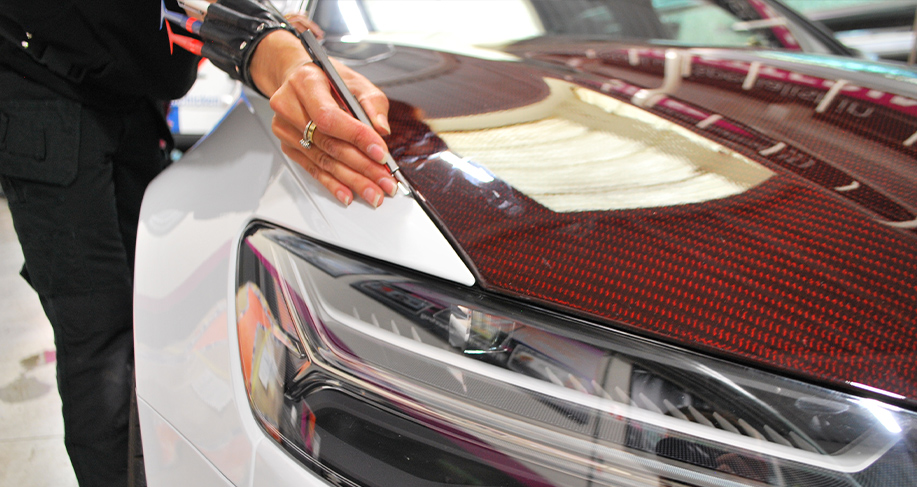
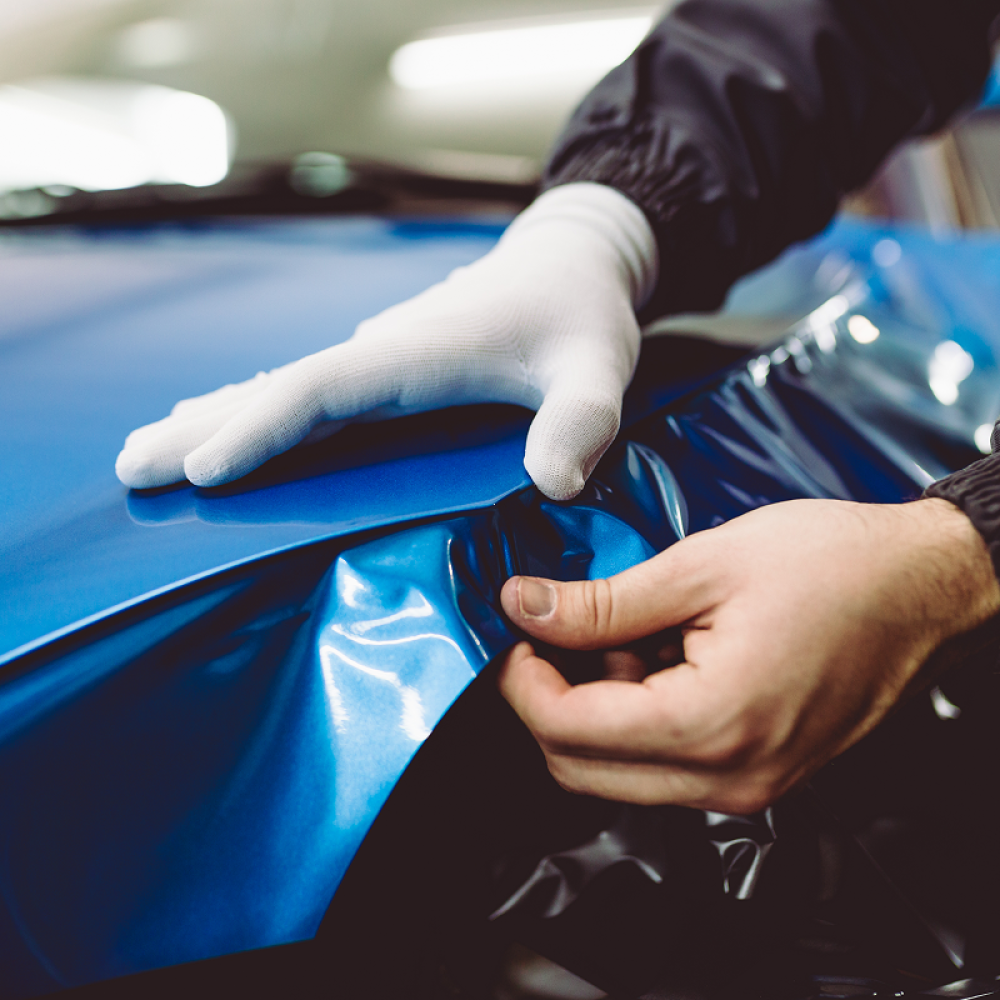
What Happens If You Wrap a Leased Car?
With permission, wrapping a leased car will protect the vehicle’s paint job and preserve its resale value. The vinyl wrap acts like a shield, guarding the factory finish from UV rays, scratches, and road debris, helping you avoid excessive wear–and–tear charges at the end of your lease.
However, if you modify the car without your leasing company’s approval, you could face issues at lease return. Unauthorized modifications are often considered a violation of the lease agreement, and the lessor may charge removal fees, paint restoration costs, or even penalties for such actions.
To avoid these problems, always check your lease contract’s “modifications” or “vehicle condition” clause, and get written permission before applying any car wrap. Doing so ensures your vehicle wrap installation is fully compliant and reversible when it’s time to return the car.
Factors to Consider Before Wrapping a Lease Vehicle
Even after confirming that your leasing company allows you to wrap a leased car, there are still several important considerations to review. These factors help ensure the wrap won’t create problems at lease return and that the leased vehicle stays protected throughout the term.
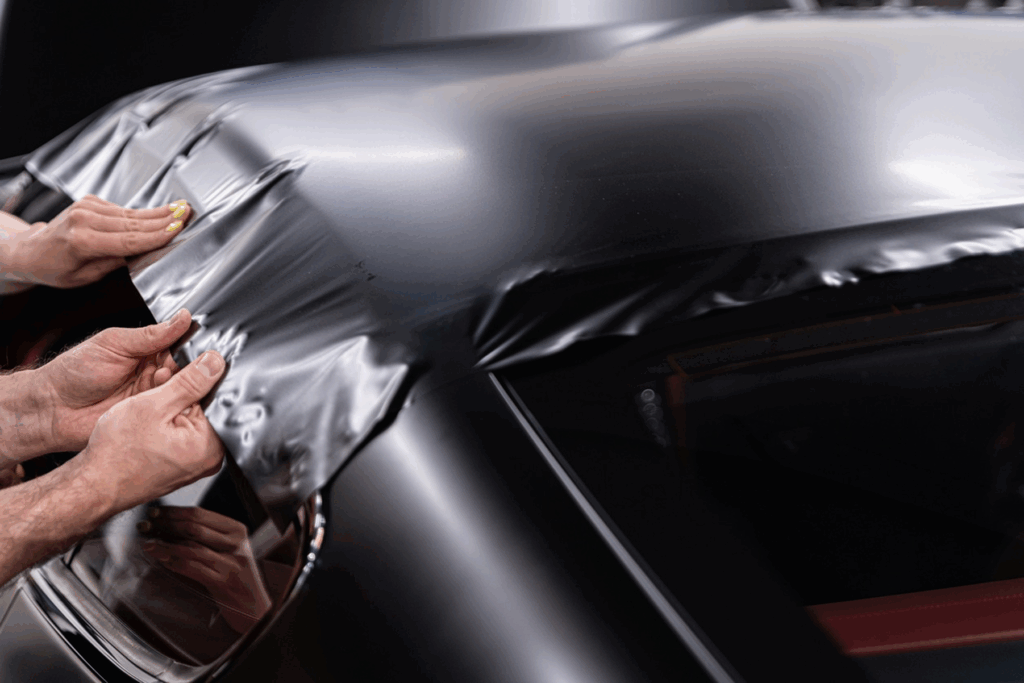
End-of-Lease Obligations
Every leased vehicle must meet specific end-of-lease obligations, including maintaining acceptable return conditions and preserving the original paintwork. Even high-quality vehicle wraps must be removed before inspection, which means:
- The wrap must not damage the original paint or car’s original finish.
- Adhesive residue or peeling that affects resale value may result in charges.
- Damage beyond normal wear and tear can trigger repair fees.
- If you plan a buy back, restoration costs may still apply.
A vinyl wrap is only beneficial if removal is clean and the finish underneath is protected throughout the lease term.
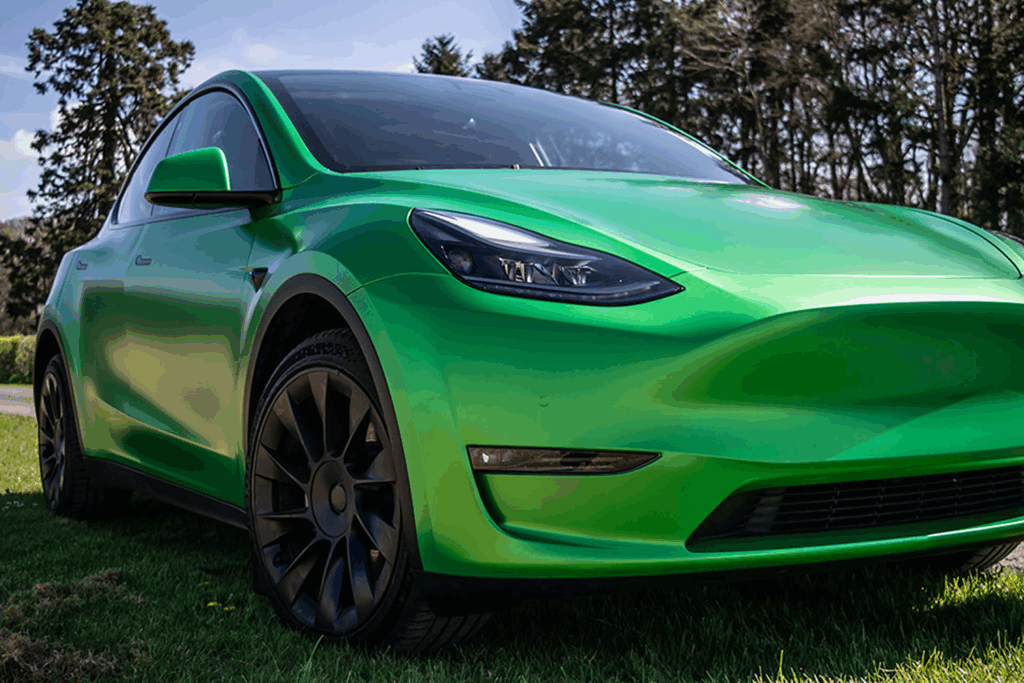
Time Duration
Before applying a car wrap, consider how long it will stay on the vehicle. Your leasing period may not align with how long the car wrap lasts, so timing matters. To avoid issues:
- Use quality vinyl designed for temporary applications.
- Confirm that long-term adhesion won’t compromise the original factory finish.
- Match the wrap’s expected duration to your remaining lease period, especially if using branding like a company logo or a vinyl graphic.
Wraps that stay on too long can become harder to remove, increasing the risk of damage and removal costs.
Quality of the Car Wrap
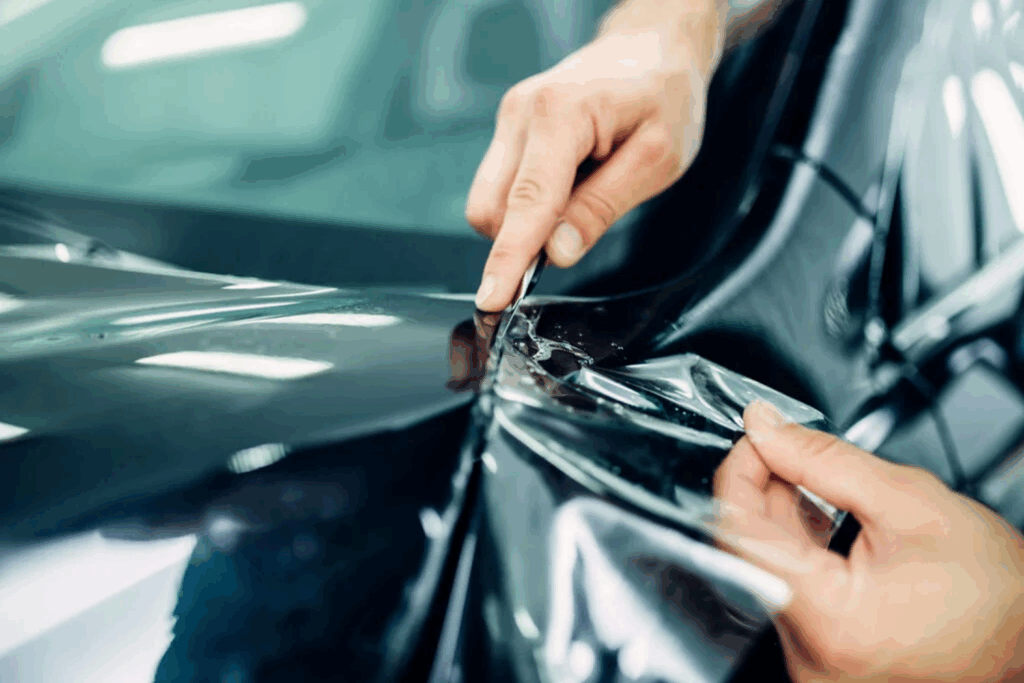
The materials and installation method directly determine whether the wrap protects or harms your vehicle. To keep the leased vehicle in good condition:
- Choose quality materials such as 3M™ certified vinyl films.
- Avoid low-grade vinyl that can damage the car paint or trap dirt.
- Use professional installers or a professional wrap shop like #201WRAP experienced in professional wrap installation.
- Ensure no harsh chemicals or aggressive adhesives are used.
- Proper installation techniques reduce the risk of damage during removal.
When done correctly, a wrap acts like a protective film, often preserving the finish better than traditional paint jobs.
Cost of the Wrap
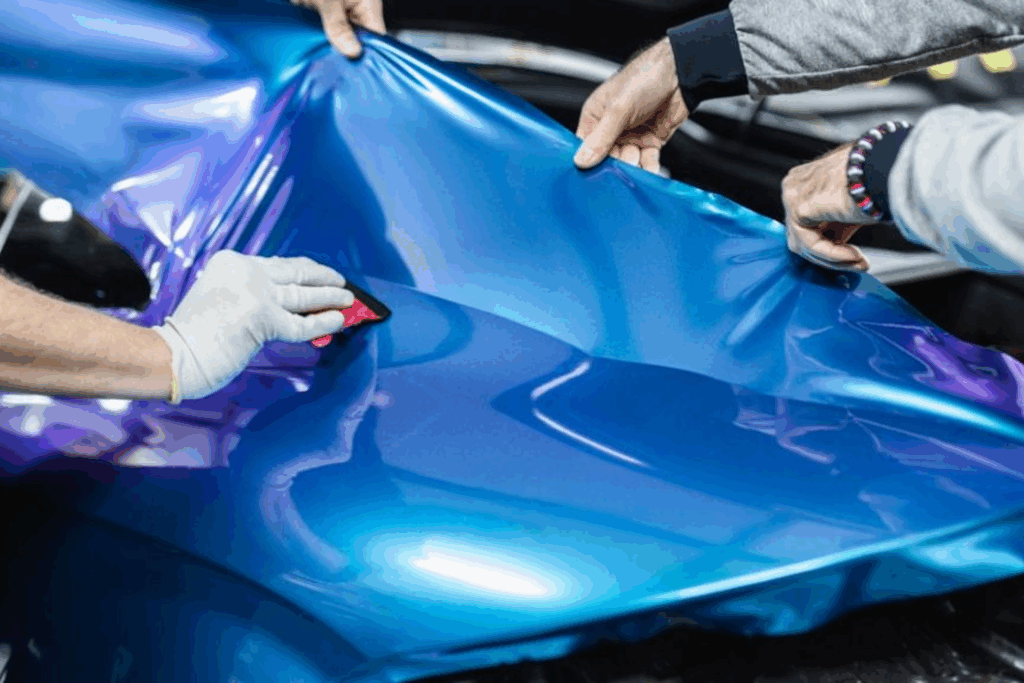
The cost of wrapping a leased vehicle depends on the type of wrap, the design, and the installer’s skill. Before committing:
- Review vehicle wrap pricing for full wrap, half wrap, and partial wrap options.
- Account for installation costs and removal fees.
- Consider long-term savings, such as protecting the resale value if you choose a buy back at the end of the lease.
- Remember that higher-end materials reduce risk to the car’s original finish.
Premium materials and reputable installers generally cost more upfront, but they help prevent expensive lease-end penalties.
What are the Benefits of Wrapping a Leased Car?
People wrap their leased cars mainly for temporary customization and protection, both of which help them stay within lease terms while enjoying more flexibility and style. A vinyl wrap provides a temporary, removable way to customize, protect, or advertise your vehicle without making any permanent changes to the original paint or body.
Paint Protection
One of the biggest reasons people have vinyl film installed on their leased vehicles is to protect the factory paint from everyday wear and tear. A high-quality vinyl film acts as a barrier against:
- Scratches and swirl marks from road debris or car washes.
- UV damage and fading caused by sun exposure.
- Minor chips and abrasions from rocks and gravel.
Because most lease agreements require you to return the car in “good” or “original” condition, vinyl wrapping the car can help you avoid expensive wear-and-tear fees. When removed properly, the paint underneath often looks as good as new. Sometimes, it’s even better preserved than unwrapped cars.
Temporary Customization and Style
Leased vehicles can’t be repainted or permanently altered, but a vinyl car wrap allows lessees to personalize the car’s appearance during the lease term. Whether it’s a matte black finish, a satin chrome look, or a unique color not offered by the manufacturer, wraps allow for full customization without breaking lease rules.
Since vehicle wraps are fully removable, you can change the style at any time and return the car to its original condition with no long-term commitment and no damage to the factory paint.
Business Branding and Advertising
Many businesses that lease vehicles for their fleets utilize commercial vinyl graphics to display company logos, contact information, and promotional materials. This customization turns leased cars, vans, or trucks into mobile advertisements without violating lease conditions, as long as you have approval and ensure the vehicle wrap is professionally installed and removed.
Fleet wraps help companies maintain a uniform, professional appearance while keeping their advertising flexible and cost-effective.
Preserving Resale and Trade-In Value
Although the leasing company owns the vehicle, maintaining the paint’s pristine condition can also protect the car’s residual value, which is important if you decide to buy out the lease at the end of the term. A well-maintained and protected finish can translate to lower repair costs and a higher trade-in value.
In short, people wrap leased cars because it’s a smart, reversible way to protect, customize, and brand a vehicle while staying compliant with lease requirements. When done with permission and with professional installation, vinyl wrapping a leased car can be both aesthetically pleasing and financially beneficial.
Protect and Personalize Your Leased Car the Right Way with #201WRAP
Vinyl wrapping a leased car can be a smart move when done correctly, giving you the freedom to personalize your ride, protect the paint, and even promote your business, all while staying compliant with your lease agreement. The key is to get permission first and trust only certified professionals for installation and wrap removal.
At #201WRAP, we specialize in high-quality, removable vinyl wraps that keep your leased vehicle protected and compliant with your lease agreement. Whether you want a sleek new color, a custom design, or a branded fleet look, we’ll ensure your professional wrap installation enhances your vehicle without compromising your lease return.
Contact us today to receive a free quote and discover the options we offer for personalized graphics or color-change film on your leased vehicle.