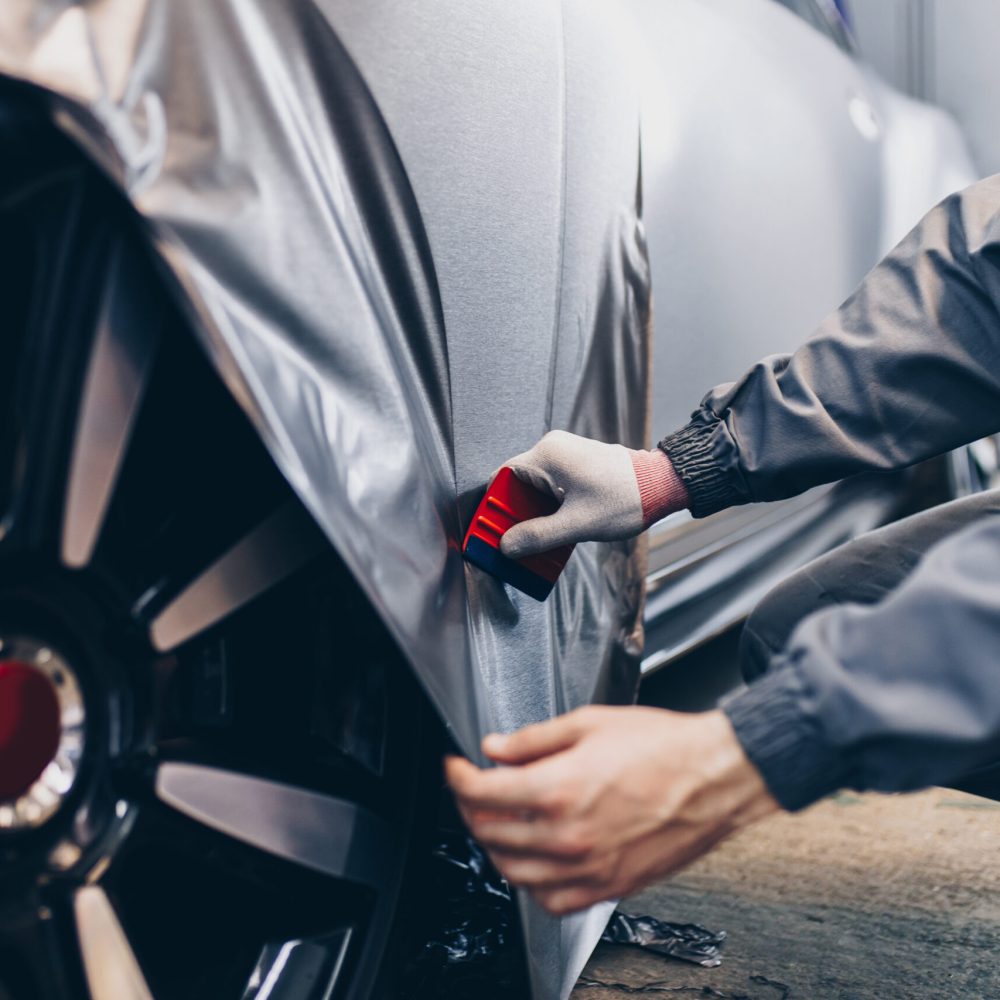
If you’re planning on getting you may be wondering, do car wraps keep cars cooler? Car wraps can indeed help keep your vehicle cooler, though the impact depends largely on the wrap’s material, finish, and reflective qualities. Lighter shades are more reflective hence they dissipate more heat.
High-quality vinyl car wraps deflect a portion of the sun’s energy, reducing heat retention and keeping your cabin more comfortable during hot weather. Beyond their temperature benefits, the right vehicle wrap also enhances your car’s aesthetic, protects the paint, and improves overall durability.
At #201WRAP, we’ve seen firsthand how the right combination of wrap finish and quality can make a noticeable difference in comfort and protection. Whether you want to minimize infrared heat, block UV radiation, or give your car a fresh, premium look, from mirror-chrome to sleek satin, understanding how different wraps interact with sunlight helps you make the smartest choice for your vehicle and your climate.
How Do Light-Colored Car Wraps Affect a Car's Interior Temperature?
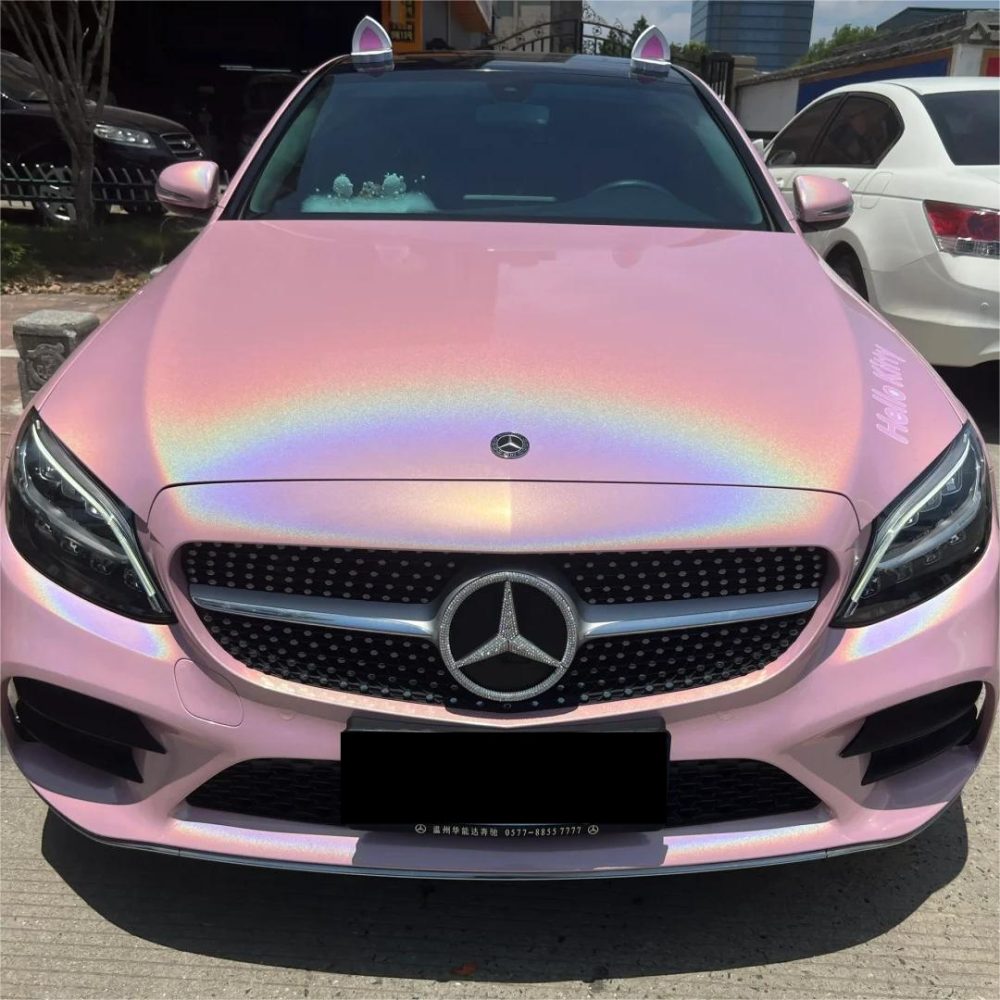
Light-colored car wraps can make a noticeable difference in how hot your vehicle feels during summer heat. These wraps reflect more sunlight and UV rays than darker wraps, which means less solar energy is absorbed into the vehicle surface. In simple terms, lighter vinyl wraps act like a mirror – bouncing sunlight away instead of soaking it in -resulting in lower interior temperature and reduced heat retention.
When the sun’s infrared light and UV rays hit your car, dark colors tend to trap heat, warming the cabin quickly. By contrast, light-colored vehicle wraps – especially white, silver, or pearl tones – have a higher reflectivity, or albedo, helping the car stay noticeably cooler in hot weather. This means your air conditioning system doesn’t have to work as hard, which can improve comfort and fuel efficiency over time.
How Do Dark-Colored Car Wraps Affect a Car’s Interior Temperature?
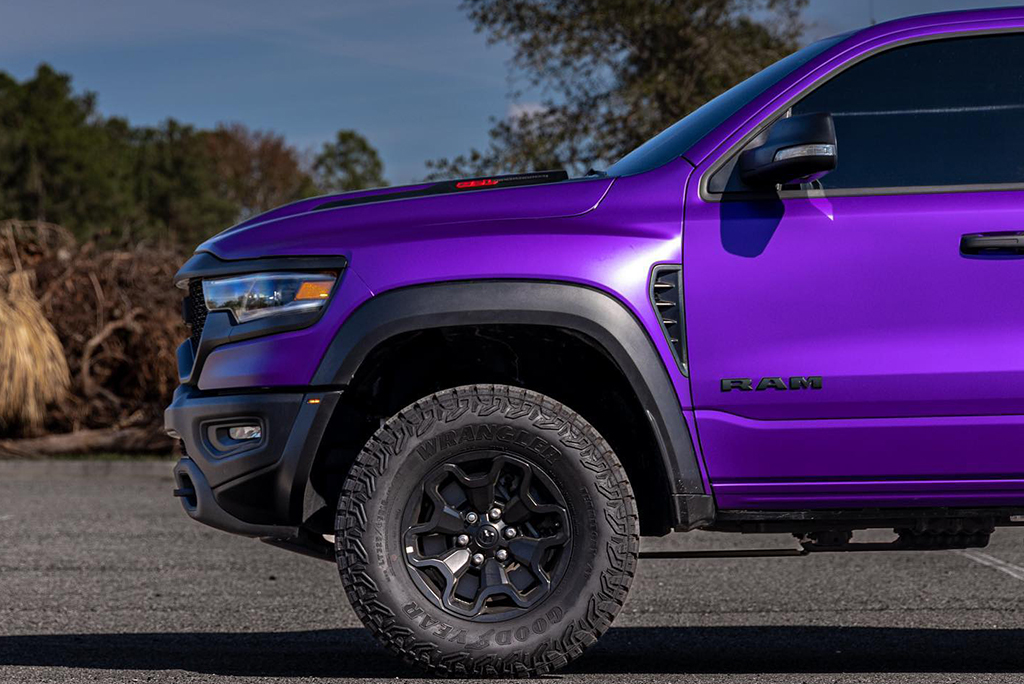
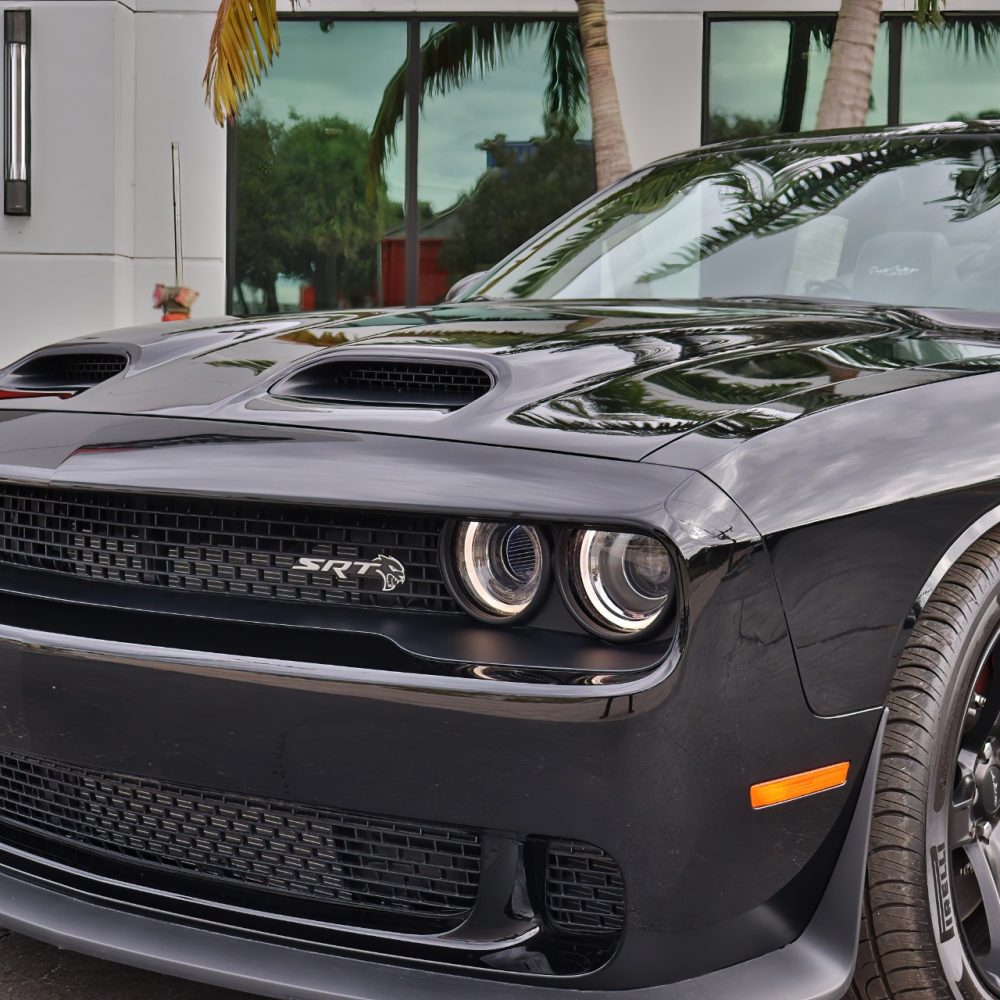
Dark-colored vinyl wraps make your car warmer because they absorb more sunlight and infrared radiation. Colors like black, navy, or graphite retain heat, which raises both the surface and interior temperatures of your vehicle. This means that after sitting in the sun, a dark-wrapped car will feel noticeably hotter inside than one wrapped in a lighter shade.
While darker wraps are more prone to heat buildup, many drivers still choose them for their bold and elegant aesthetic. If you prefer a darker finish, you can minimize heat retention by selecting wraps with ceramic, metallic, or satin finishes. These versions reflect a portion of sunlight while maintaining a rich color tone, offering a balance between style, comfort, and durability.
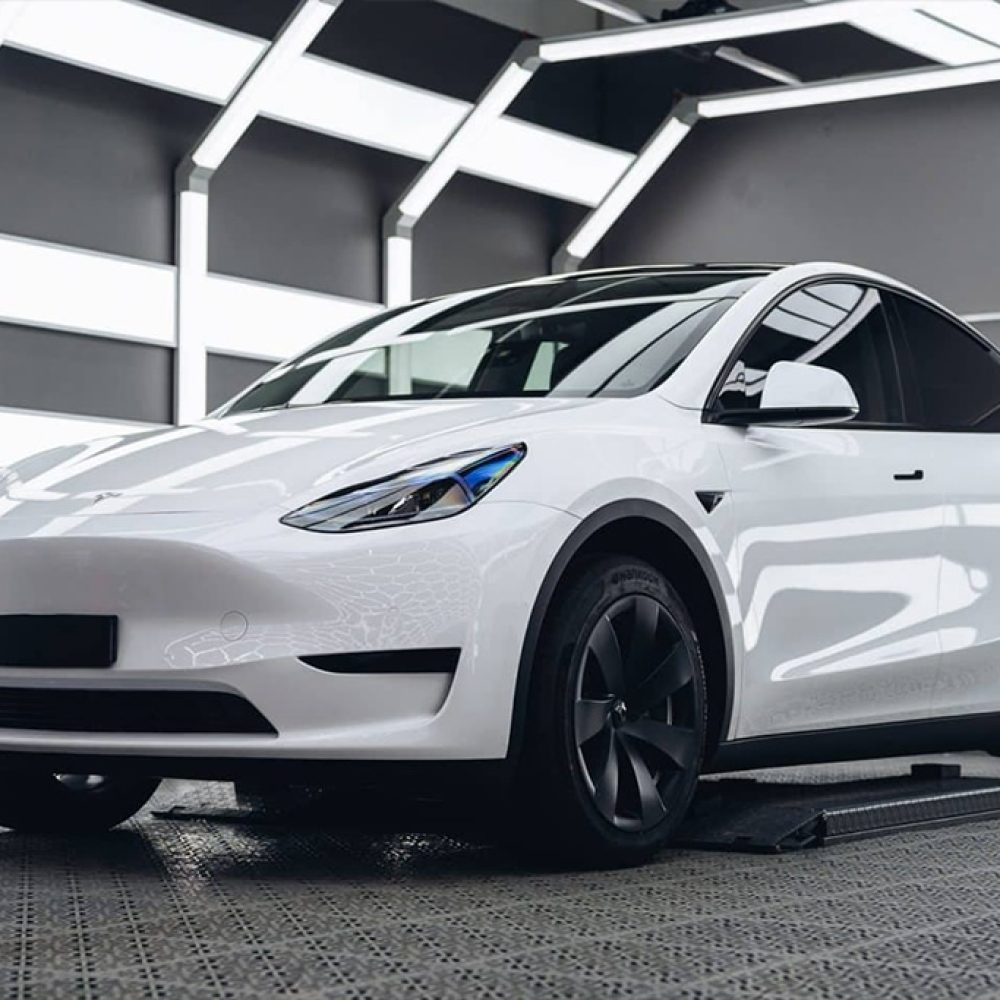
White and other light, reflective colors keep a vehicle the coolest. These shades bounce off most of the sun’s rays, which helps prevent the exterior from heating up and reduces how much warmth seeps into the cabin. Silver, champagne, and pale gray also perform well in reflecting sunlight and maintaining a cooler temperature.
If you want to maximize cooling, glossy or metallic finishes are better than matte ones since they reflect more light. Some modern vinyl car wraps are engineered with UV ray protection and heat-reflective layers for added temperature control. Choosing these wraps doesn’t just keep your car cooler; it also preserves your paint job, prevents scratches, and extends the lifespan of the wrap itself.
Is Wrapping Your Car a Good Alternative to Window Tint for Keeping It Cool?
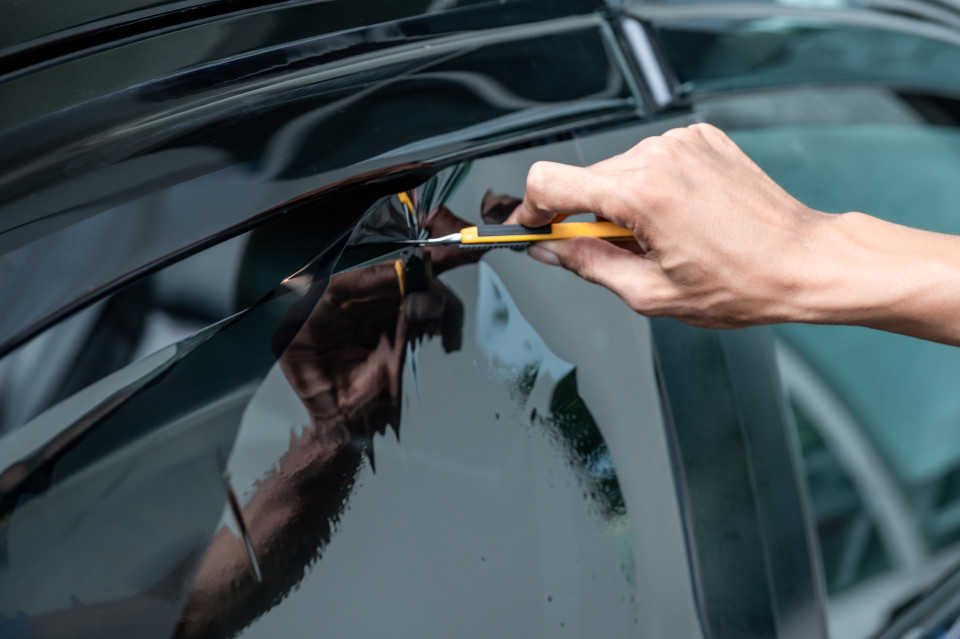
No, wrapping your car is not a full alternative to window tinting for keeping it cool. Car wrapping mainly covers the painted panels, while window film directly blocks sunlight from entering through the glass. Professional window tinting is more effective at reducing cabin heat because it stops infrared light, UV radiation, and glare before they reach the interior.
That said, the best results come from combining both tinting services and car wrapping. A reflective wrap reduces surface heat, while tinted windows block radiant heat inside. Together, they improve comfort, reduce infrared heat, and protect your car’s interior materials from fading. You’ll also enjoy added privacy and protection from ultraviolet rays and summer heat.
Is It Worth Wrapping Your Car Just To Reduce Heat?
If your only goal is to keep your car cooler, car wraps alone aren’t the most cost-effective solution – but they can still play a meaningful role in heat reduction when combined with other upgrades.
Light-colored vinyl wraps or reflective vehicle wraps help deflect UV rays and infrared light, reducing surface heat buildup and minimizing interior temperature rise during summer heat. However, wraps perform best as part of a complete solar protection strategy, not as a stand-alone fix.
While window tinting – especially ceramic or heat-rejecting tints – blocks more UV radiation and direct sunlight, a quality vinyl wrapping adds another layer of insulation. It protects the vehicle surface and car paint from long-term sun exposure, which helps maintain your vehicle’s appearance and resale value. When applied using professional installation, the wrap materials can also shield the paint from scratches, air pollutants, and fading caused by prolonged hot weather.
Yes car wraps can keep your cars cooler especially when you choose light, reflective colors and high-quality vinyl sheets. While wraps alone won’t replace the cooling power of window tinting, they significantly reduce surface heat, protect your paint job, and make driving more comfortable.
If you’re looking for a way to stay cool while upgrading your vehicle’s appearance, #201WRAP has you covered. Our team specializes in professional window tinting and custom car wraps that combine performance, UV reflection, and stunning design.
Whether you want a mirror-chrome wrap, a sleek dark tone with less heat retention, or a bright white wrap to reflect ultraviolet rays, we’ll make sure your car turns heads and stays cool, inside and out.