When it comes to protecting and customizing a vehicle, two names are always top of mind: Paint Protection Film (PPF) and vinyl wraps. PPF acts like an invisible shield, guarding against scratches, rock chips, UV rays, and road debris with advanced self-healing properties. Vinyl wraps, on the other hand, unlock endless color, textures, gloss, matte, and satin finishes to completely transform a car’s look.
But what if you want both, is it possible? Yes, PPF and vinyl wraps can be combined to create a solution that blends style and protection in one. At #201WRAP, this combination offers an approach that provides the freedom to customize your ride while ensuring the durability and longevity of your investment.
Yes, Paint Protection Film (PPF) and vinyl wraps can be applied together, creating a balance of style and durability. By layering the two, car owners can enjoy the endless design options of vinyl wraps while adding a protective shield that defends against scratches, rock chips, and UV rays. This approach not only keeps the wrap looking fresh but also helps protect the original car paint underneath.
The order of application matters. In most cases, the car wrap is applied first for customization, and then PPF is layered on top to lock in the design and extend its longevity. This combination is especially beneficial for drivers who want the bold aesthetics of custom wraps while ensuring their vehicle can withstand everyday road debris and environmental damage.
Vinyl wraps are made from polyvinyl chloride (PVC) film and are mainly used for customization while Paint Protection Film (PPF), is made from durable polyurethane or urethane film that focuses on protection.
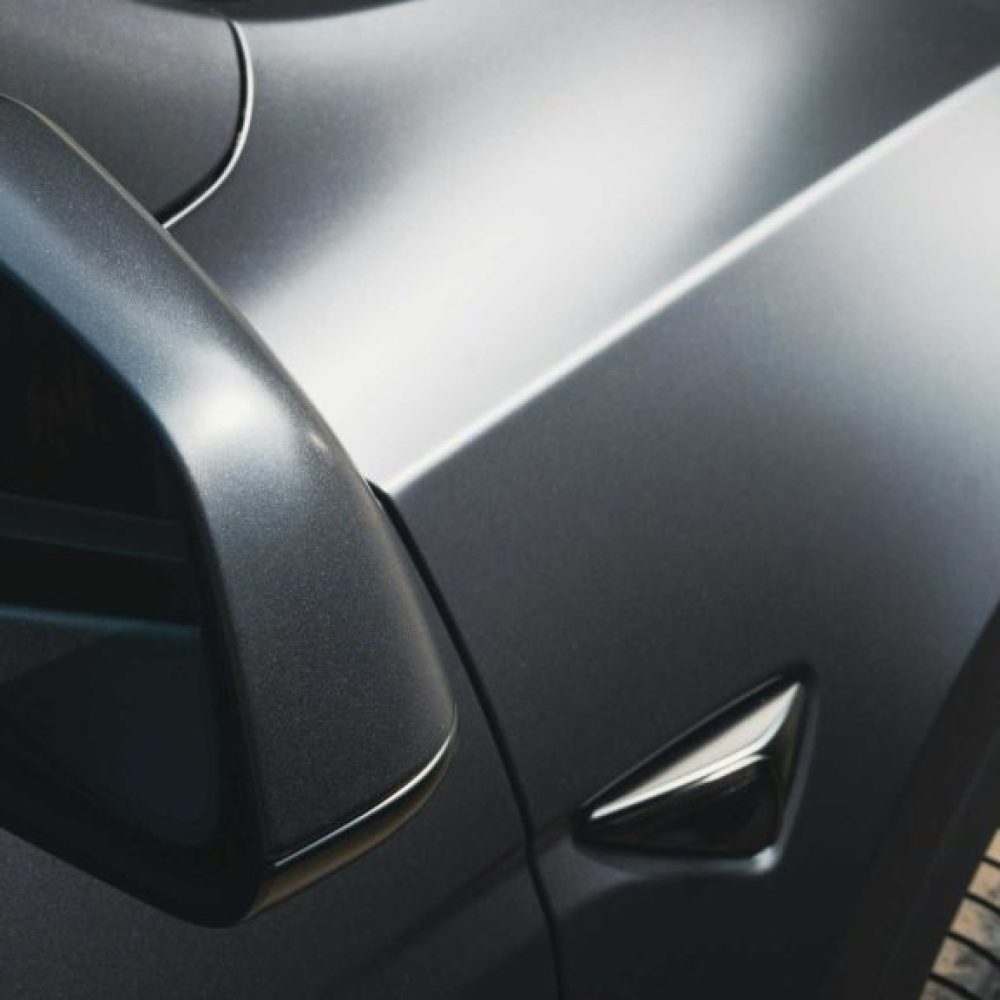
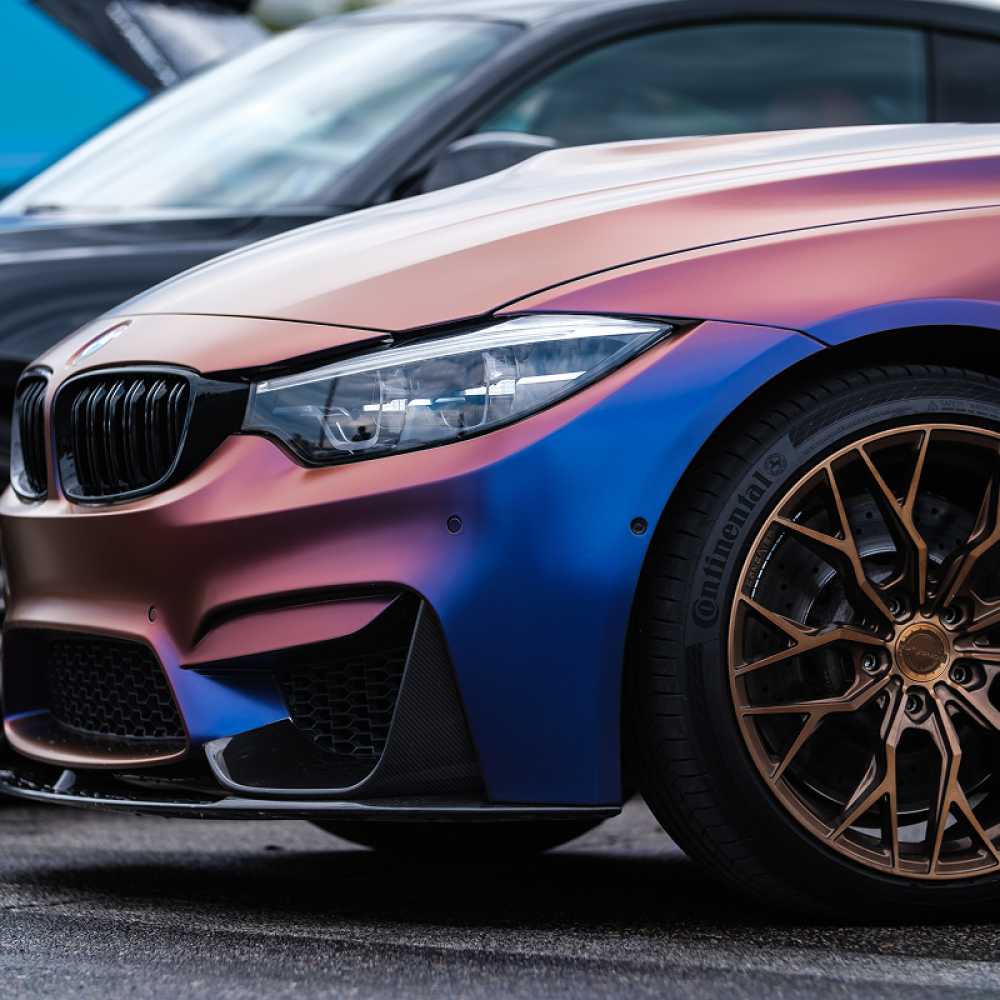
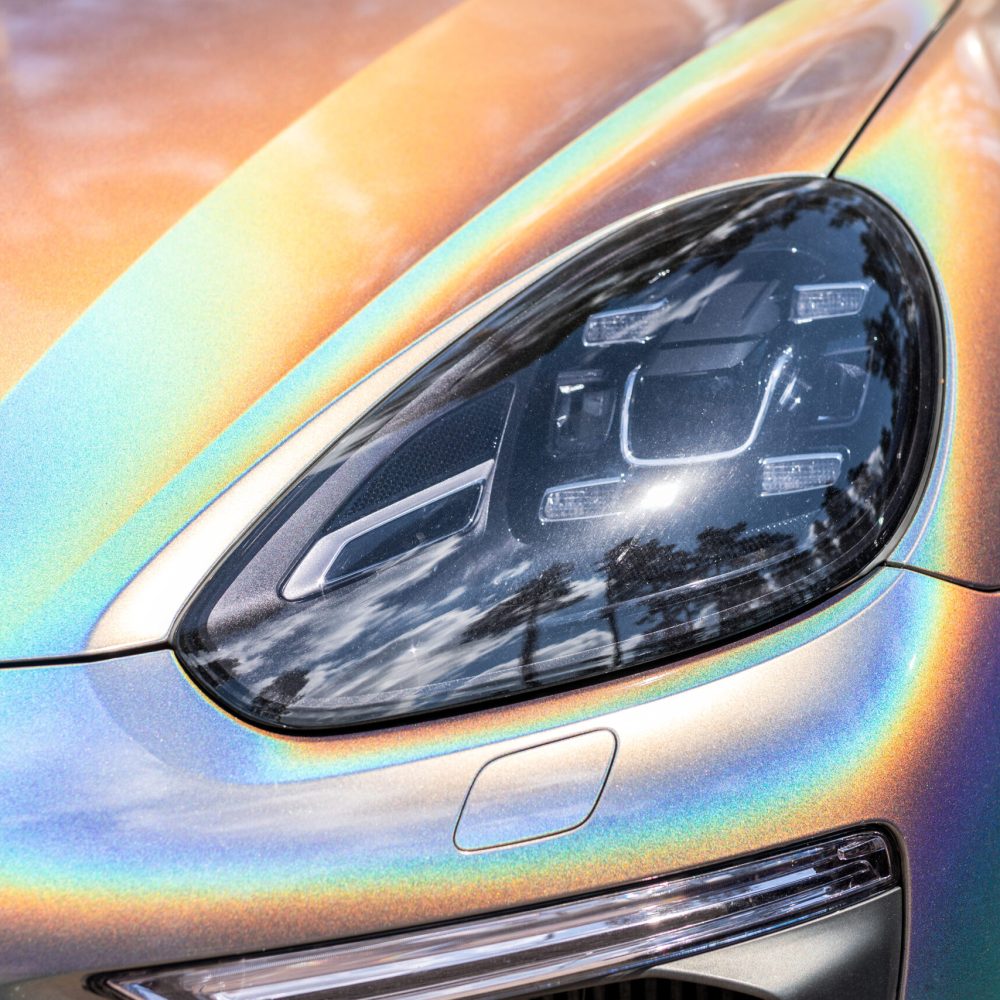
Vinyl wraps offer the freedom to change color, finish, or texture, with options including gloss, matte, satin, and even carbon fiber designs. They can add a layer of protection; their primary advantage lies in enhancing aesthetics and allowing for full creativity in vehicle customization.
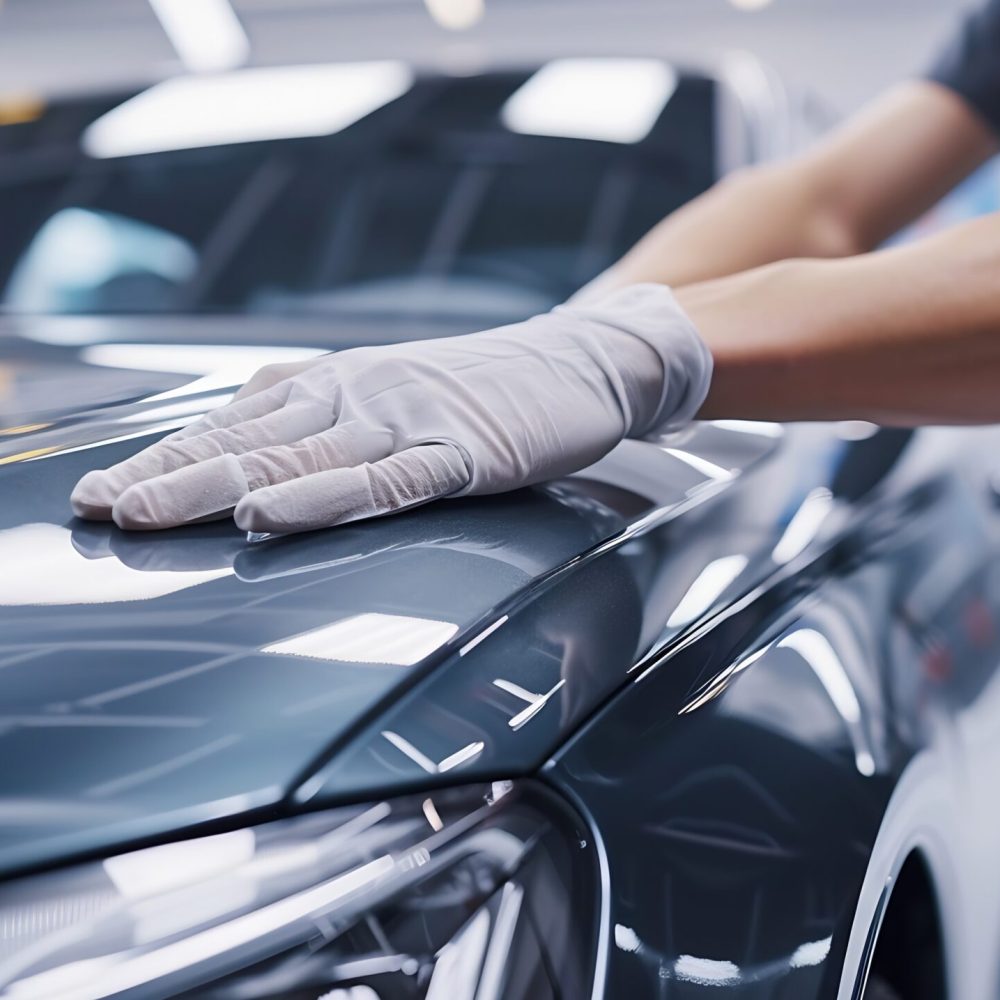
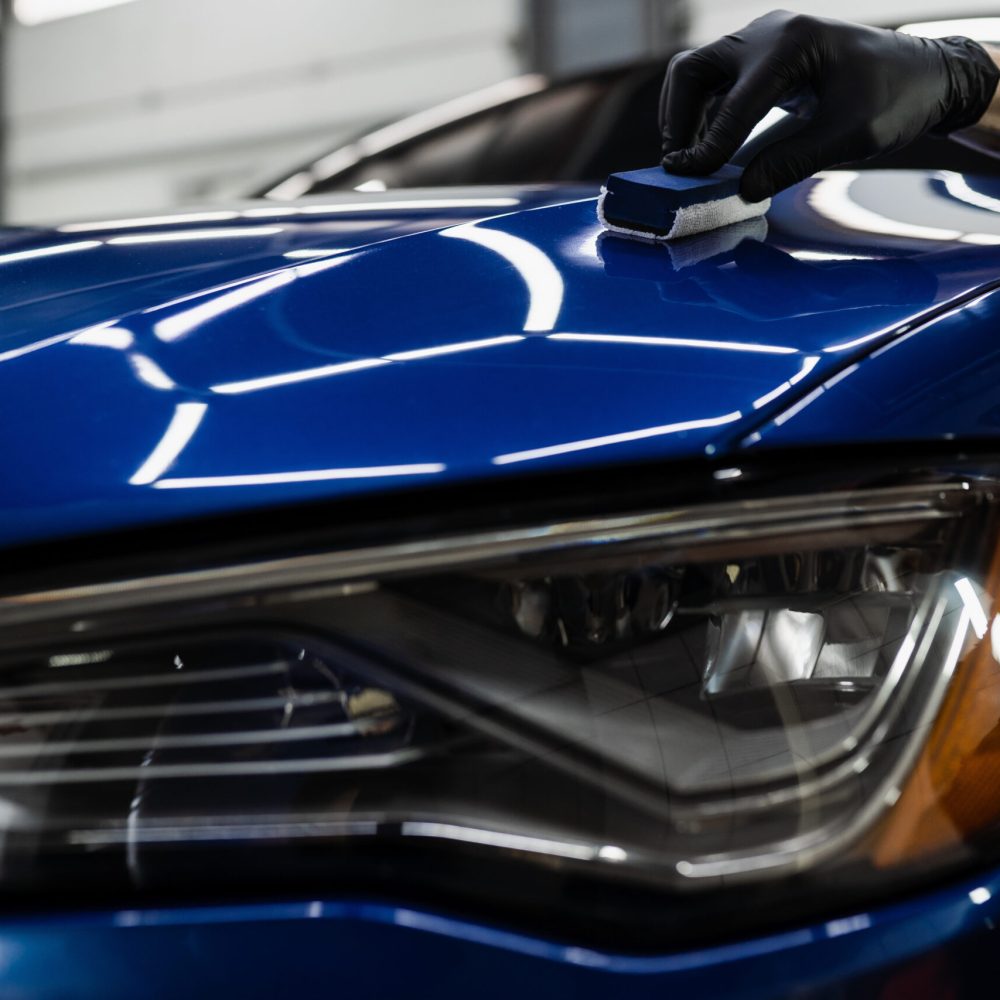
PPFs defend against stone chips, scratches, UV rays, and chemical exposure while offering self-healing qualities that repair minor marks with heat. Modern PPF also comes in gloss or matte finishes, combining style with long-term durability and helping preserve the original car paint.
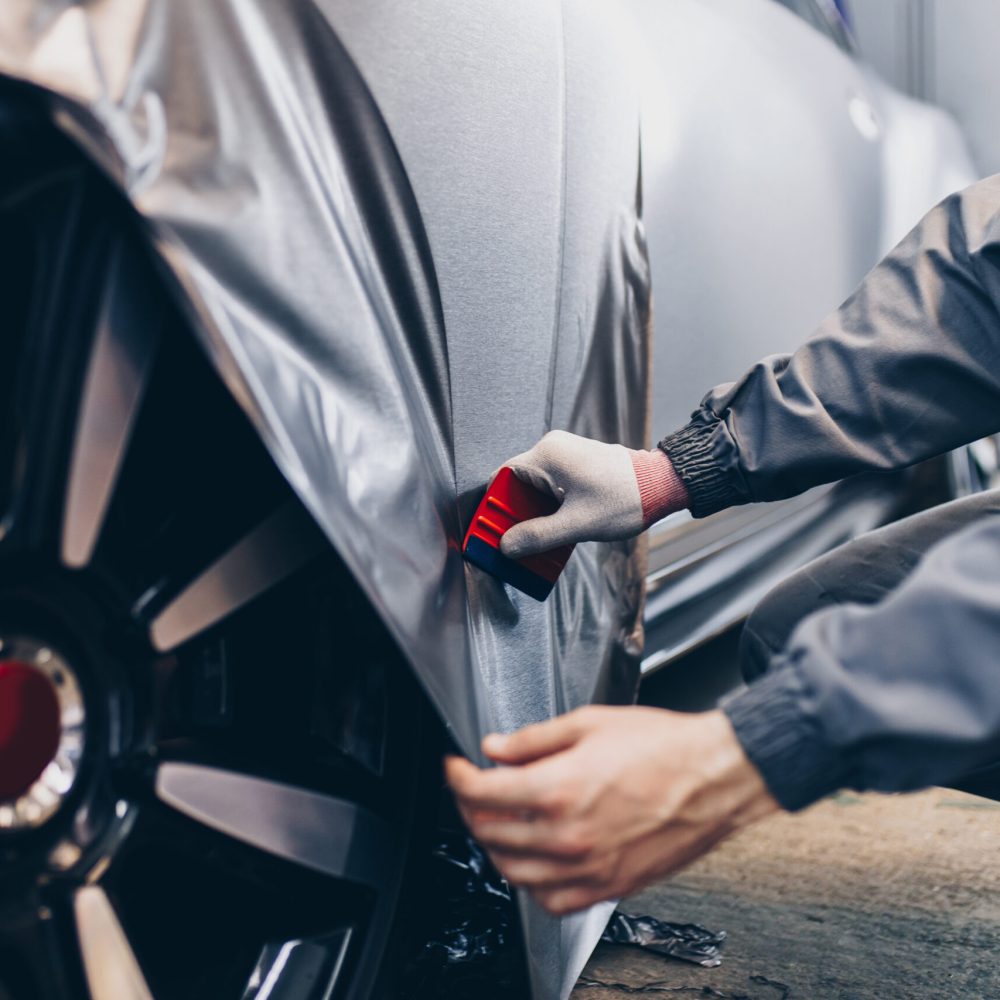
The order of installation plays a big role in the final result. The Paint Protection Film (PPF) should go on first, followed by the vinyl wrap. Following this order ensures the car paint is protected from damage during the installation and removal of vinyl. It also ensures the vinyl lies better as it prevents air pockets from forming between the layers.
Some car owners prefer applying the vinyl wrap first, allowing them to achieve their desired color, finish, or design, and then covering it with Paint Protection Film (PPF), ensuring that the wrap itself is protected. This approach helps extend the life of the wrap while shielding it from scratches, road debris, and UV rays.
Regardless of which option you choose, professional installation is crucial to prevent bubbling, peeling edges, or uneven application.
Which Is Better, PPF or Vinyl Wrap?
Choosing between Paint Protection Film (PPF) and vinyl wraps comes down to your priorities. PPF is the better option if protection is your main concern. Its thickness, durability, and self-healing qualities make it highly effective at guarding against scratches, rock chips, and UV damage, helping to preserve your vehicle’s original paint for years.
Vinyl wraps, on the other hand, are the go-to choice for style and customization. With endless options for colors, textures, and finishes, wraps let you transform the look of your car almost instantly. The good news is that you do not have to choose one over the other. When combined, PPF and wraps deliver both long-lasting protection and standout design.
Cost Considerations When Combining PPF and Wraps
The total cost of a PPF and vinyl wrap combination depends on the vehicle’s size, the quality of the materials, and the coverage area.
That said, layering both Paint Protection Film (PPF) and personalized car wraps will naturally cost more upfront compared to choosing only one option. However, the added expense often pays off over time because the original paint remains protected, reducing the likelihood of costly repainting or repairs.
This combination also extends the life of the wrap, keeping your vehicle’s style fresh for longer, while helping to maintain or even improve its resale value, as the car stays in better condition. Rather than viewing it as an extra cost, it can be seen as a smart investment in both aesthetics and long-term durability.
Why Does Professional Installation Matter for PPF and Wraps?
The success of combining Paint Protection Film (PPF) with vinyl wraps depends largely on the installer’s skill. Proper surface preparation is crucial to prevent bubbling, peeling, or uneven textures, while careful application ensures smooth edges and a flawless finish.
An experienced professional also knows the correct layering order, which directly affects the duration of the results. At #201WRAP, the certified team specializes in both PPF and vinyl wraps, giving customers the confidence that their vehicles will not only look stunning but also stay protected for years.
Get The Perfect Blend of Customization and Protection with #201WRAP
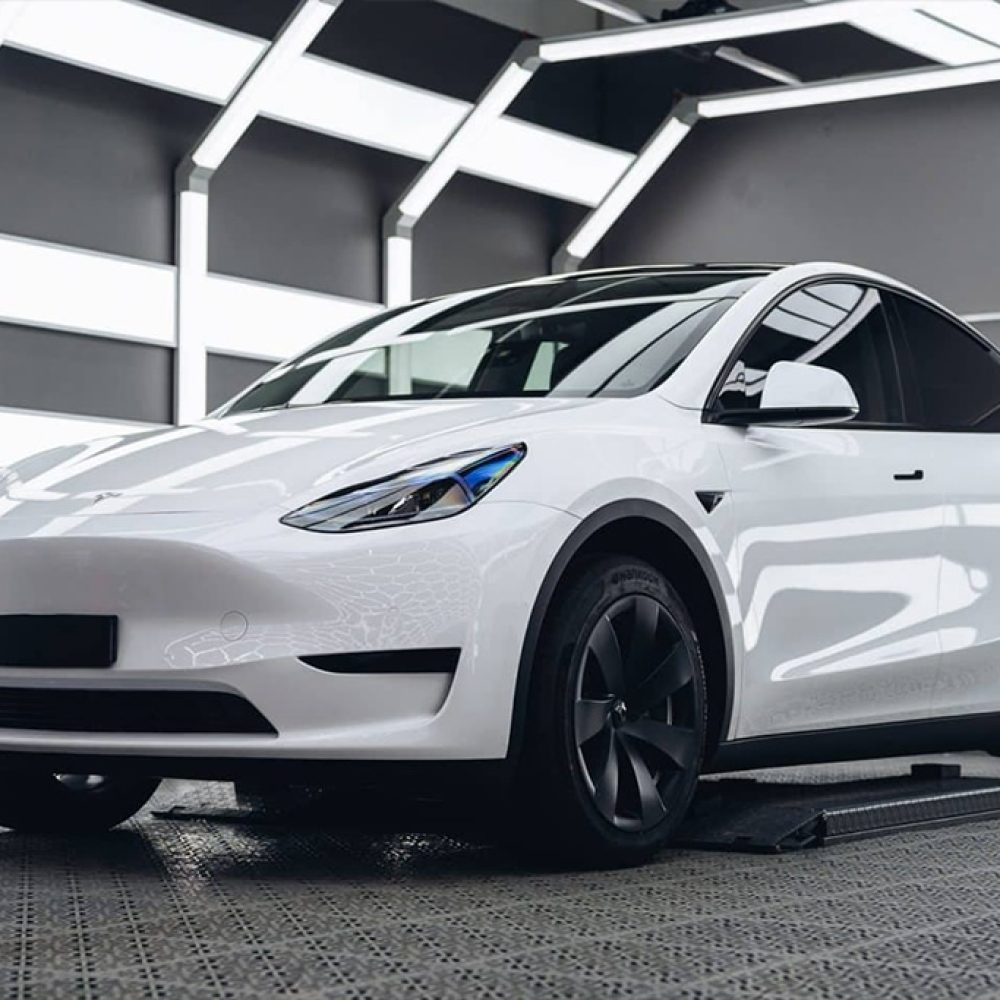
Combining Paint Protection Film (PPF) with vinyl wraps offers car owners the ultimate balance of protection and style. With this combination, you can showcase bold designs while keeping your paint protected from scratches, UV rays, and road debris. It’s an upgrade that not only makes your car stand out but also helps protect its value over time.
At #201WRAP, our installers make sure every wrap and film application is seamless, durable, and tailored to your vision. Whether you’re looking to keep your factory paint pristine or add a unique look that reflects your personality, combining PPF with vinyl wraps is the smart way to get both style and strength.