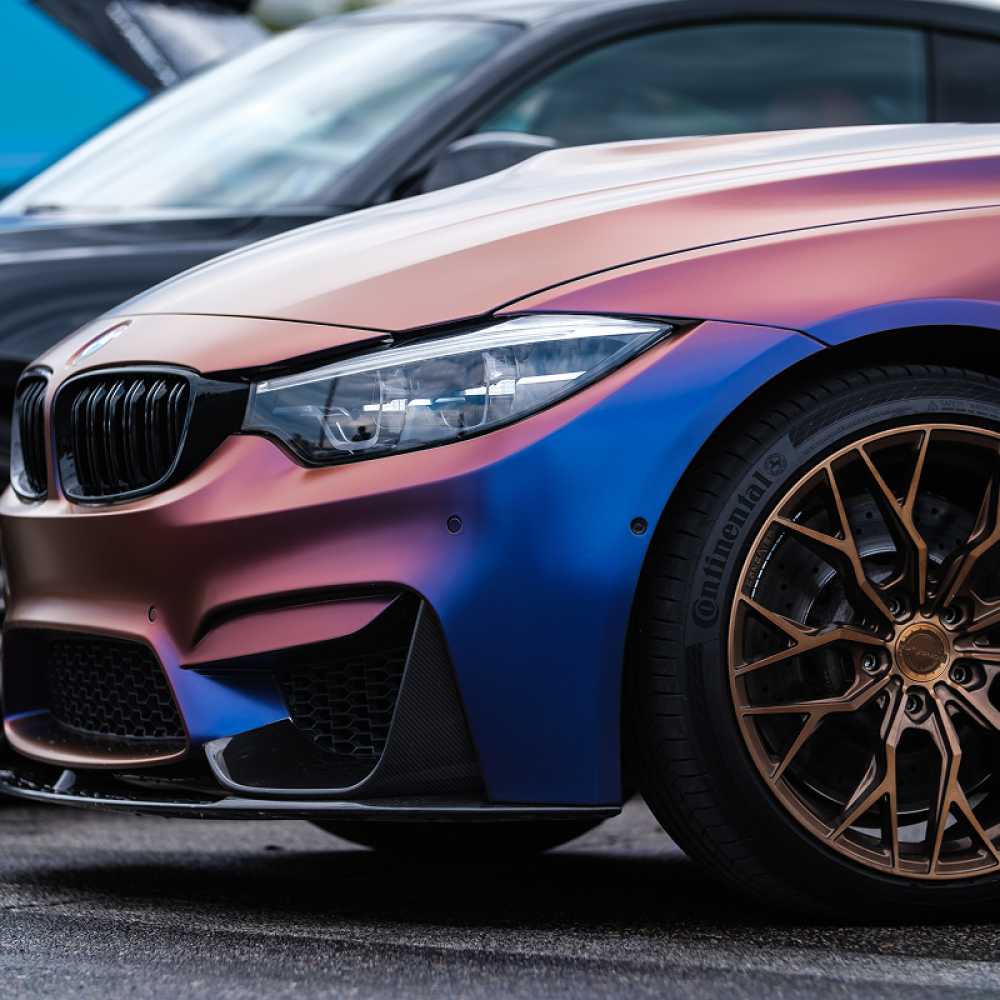
Vinyl vehicle wraps are a cost-effective method to transform your car’s appearance dramatically, but only if they’re done right from the start. Before applying any wrap, the car’s surface must be properly prepared, which involves fixing dents, thoroughly washing it, and removing any objects that could interfere with the application of wrap materials.
At #201WRAP, we guide you through the entire preparation process, so you know exactly what to expect before your wrap is applied. If you’re ready to give your vehicle a fresh new look, contact us today to receive a complimentary quote.
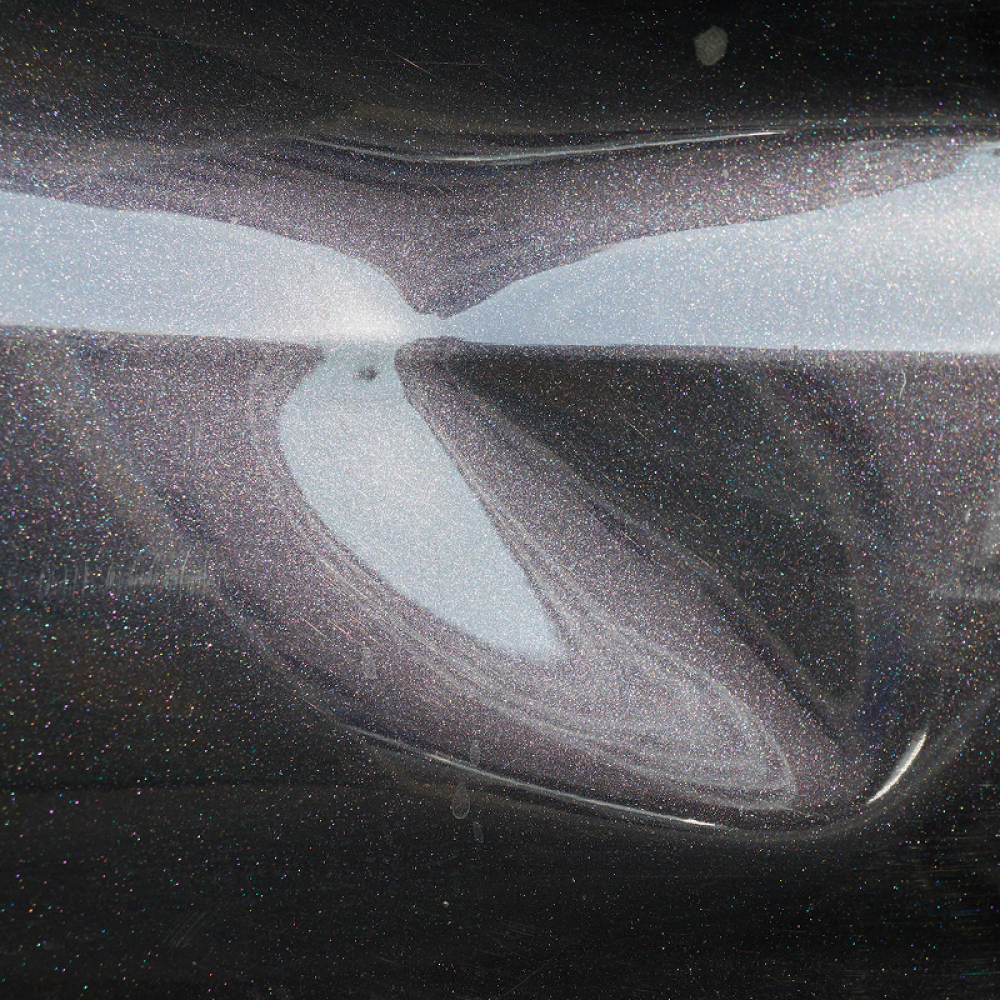
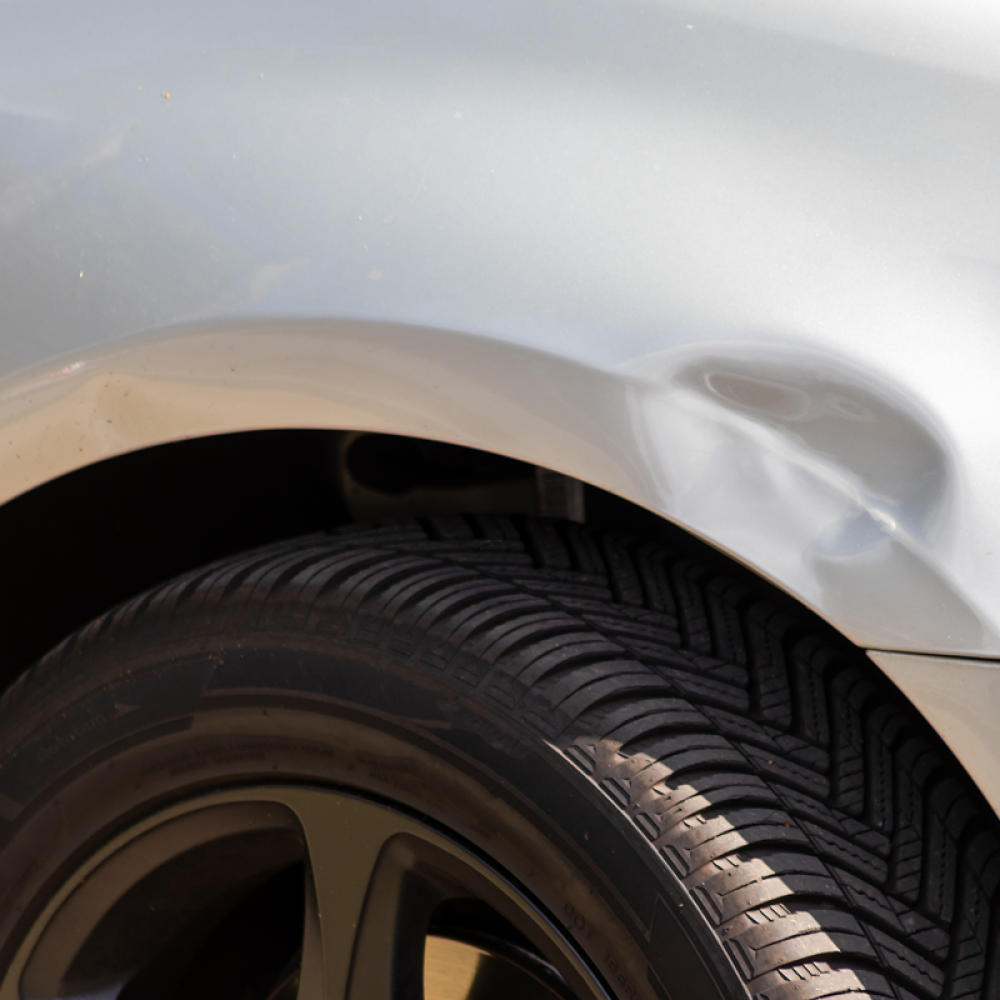
Yes, you should fix dents before having a full or partial wrap installed on your car. Vinyl wrap and paint protection film (PPF) conform closely to the vehicle’s surface. Any imperfections like dents or creases will show through the wrap, ruining the finished look. And, since PPF is transparent, the film will not hide the damage and may even magnify the original dent.
Different types of vinyl wraps react differently to surface flaws. Glossy wraps reflect more light, making even minor denting issues or scratches visible. While matte or textured films like carbon fiber may hide small flaws, deeper dents still distort the wrap. Regardless of finish, every dent increases the chance of premature lifting, especially in areas affected by hail damage or panel warping.
To prepare your car for wrapping, repair dents using either paintless dent removal (PDR) for shallow dings and minor dents with undamaged paint or body filler, and sanding for deeper damage. If the original paint job is chipped or the panel is rusted, these areas must be repaired and smoothed to avoid peeling. Fixing these issues ensures the wrap adheres correctly, enhances appearance, and adds an extra layer of protection over the paint job.
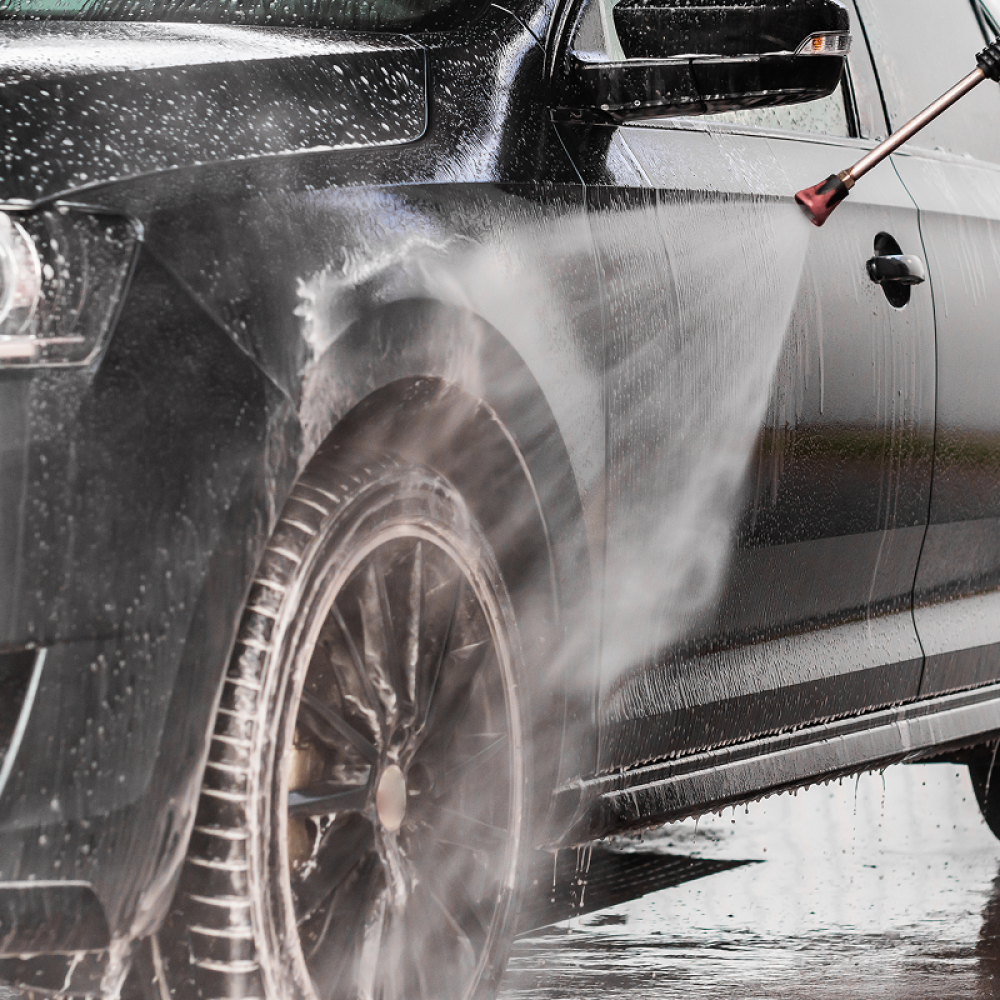
Yes, washing your car is a simple solution that’s essential before applying a vinyl wrap. Dirt, grease, wax, and contaminants can interfere with adhesion, causing bubbles, edge lifting, and shortening the wrap’s life. Even if your car appears clean, invisible residues may still be present.
Start by washing with a brushless car wash or manually using soap and water to prevent scratches. Focus on hidden areas, door jambs, panel gaps, trim, and emblems. Follow up with a clay bar to remove embedded particles, then wipe down with 70–90% isopropyl alcohol to eliminate oil or polish residue. A clean surface sets the stage for better bonding and finish longevity.
This step is critical whether you’re installing vehicle graphics, a full vinyl vehicle wrap, or PPF. Skipping it can ruin the investment and make even a new paint job dull over time due to poor adhesion and trapped moisture.
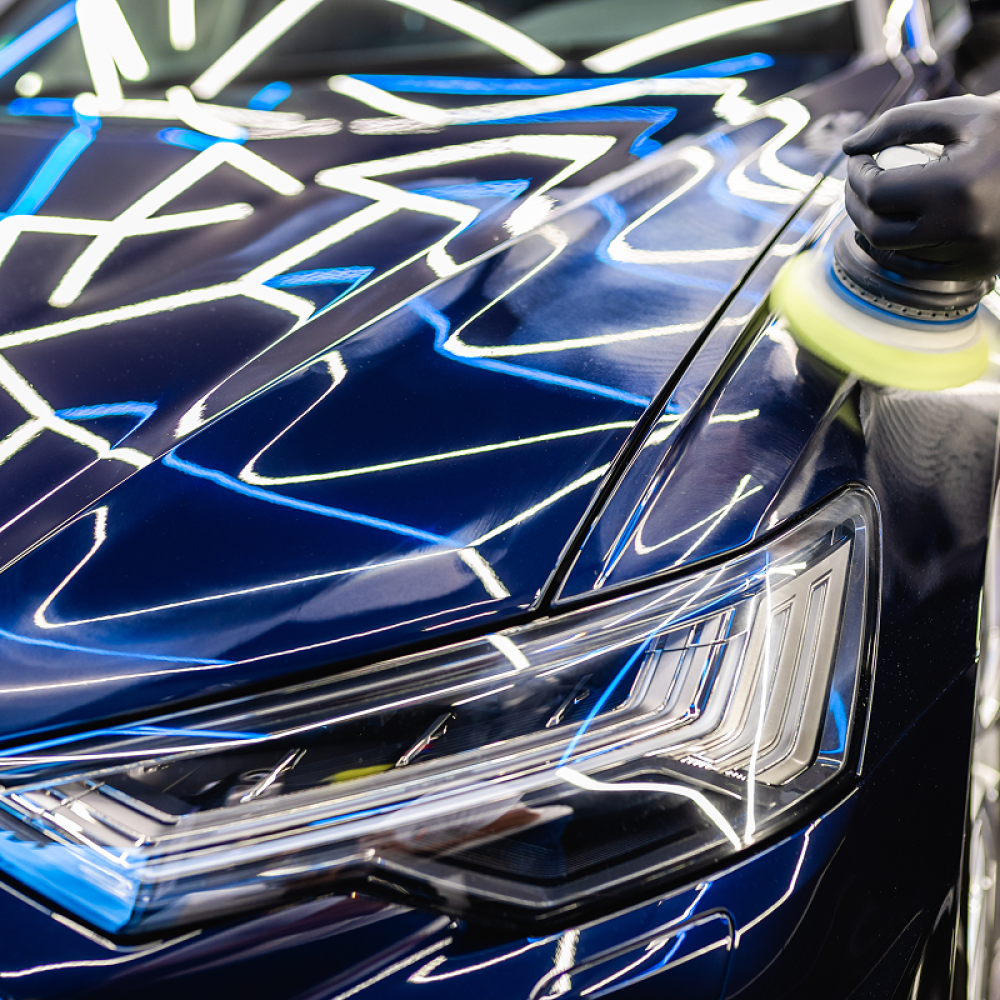
Polishing is not always necessary, but it depends on the wrap type and your car’s paint job. For standard vinyl vehicle wraps, polishing is usually skipped. Instead, a deep clean and decontamination process ensures the wrap adheres securely. Leftover polish or wax can cause issues like bubbles or lifting.
However, when applying paint protection film, polishing is often recommended, especially if the paint has swirl marks or hazing. Once sealed under PPF, these flaws become more visible. Correcting these issues first can protect your job from the elements and improve the vehicle’s appearance. Just remember to remove all polish oils afterward with isopropyl alcohol.
If you’re unsure, speak with one of our professionals here at #201WRAP. They’ll assess whether your minor dings or faded finish needs more than just a wash and clay bar treatment before wrapping.
Proper prep is the key to a long-lasting, professional-looking wrap. Here’s a step-by-step guide to preparing your vehicle for vinyl wraps, PPF, or any kind of vehicle graphics:
Identify dents, rust, scratches, or peeling paint. Depending on the severity, use an effective dent repair method for the situation. This step is crucial before applying any vinyl film.
Clean around emblems, trim, panel gaps, and door jambs where debris often accumulates. These areas are more likely to interfere with the application of wrap materials.
Use air drying or microfiber towels to ensure no moisture remains in seams or crevices. Trapped water can prevent adhesion and create bubbles under the vinyl film.
Detach mirrors, trim, or emblems for a seamless vinyl wrap finish. This provides coverage over the entire vehicle, enhancing both aesthetics and durability.
By following these steps, you ensure the wrap bonds properly to the surface, giving your car a clean, finished look. Whether you’re covering up a tired exterior or adding a fresh design, this level of prep prevents common issues. It protects your paint job from damaging factors like road debris and natural elements.
Get the Best Wrap Results with #201WRAP
Whether you’re refreshing your style with vehicle graphics or adding an extra layer of protection using PPF, preparation is everything. Even a simple fix like cleaning or minor dent repair can make or break your final result. That’s why trusting experienced professionals like our team here at #201WRAP with the preparation and installation is recommended.
At #201WRAP, we go beyond basic prep. Our qualified technicians use proven methods to clean, correct, and wrap your car to perfection. From different types of patterns to custom vinyl wraps, we have done it all. You can expect a result that lasts and turns heads by choosing us to handle the professional installation from start to flawless finish.