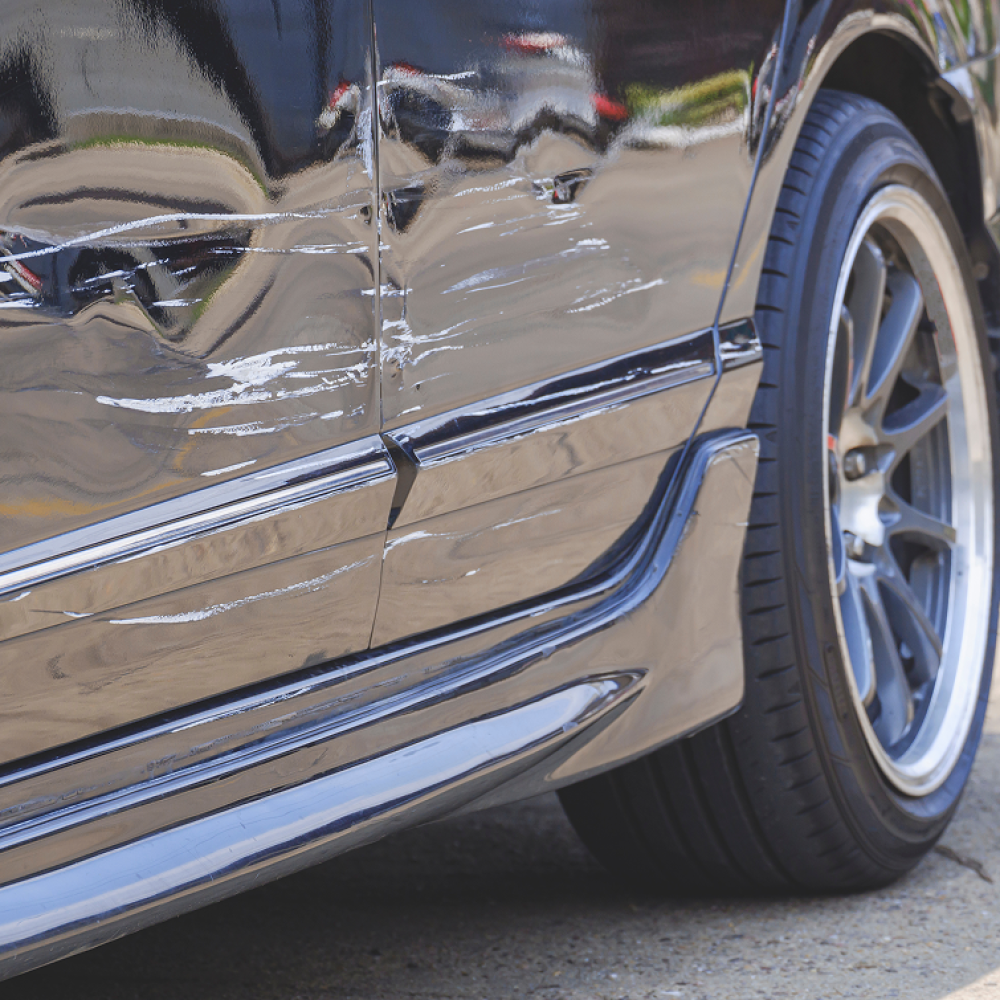
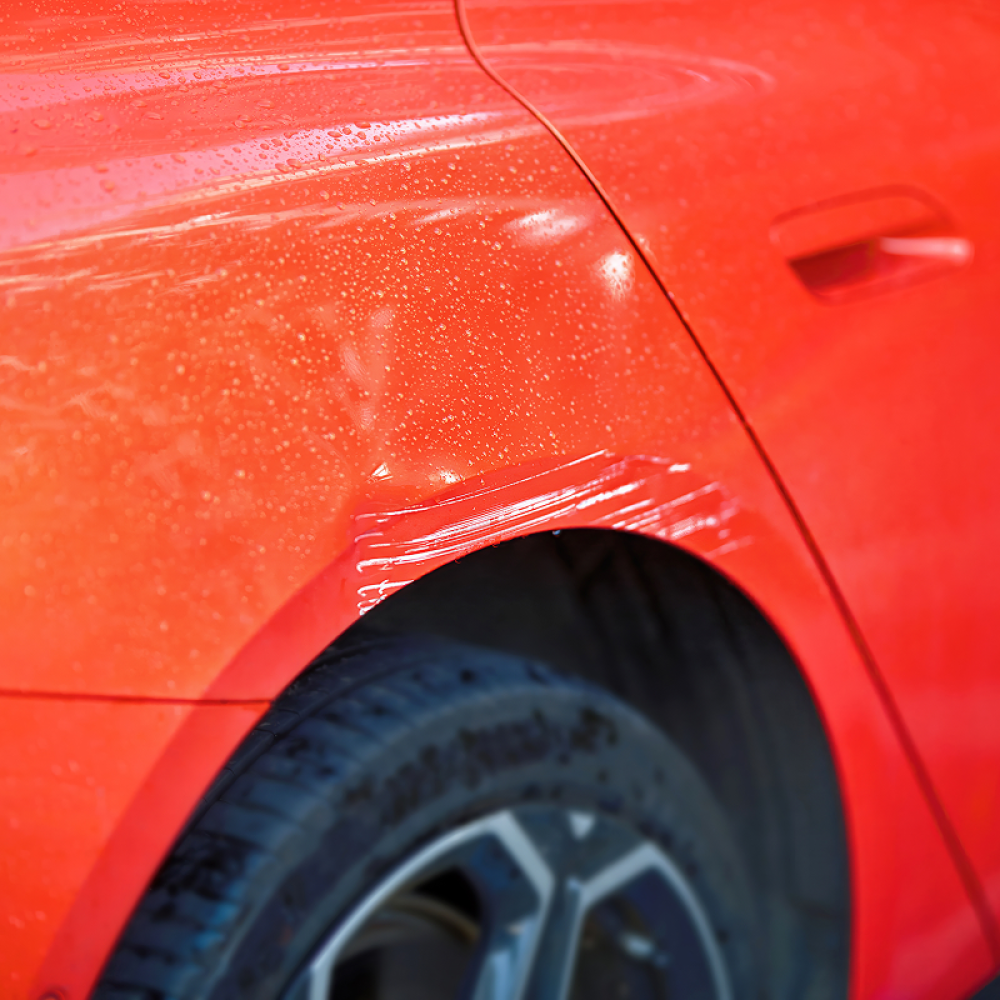
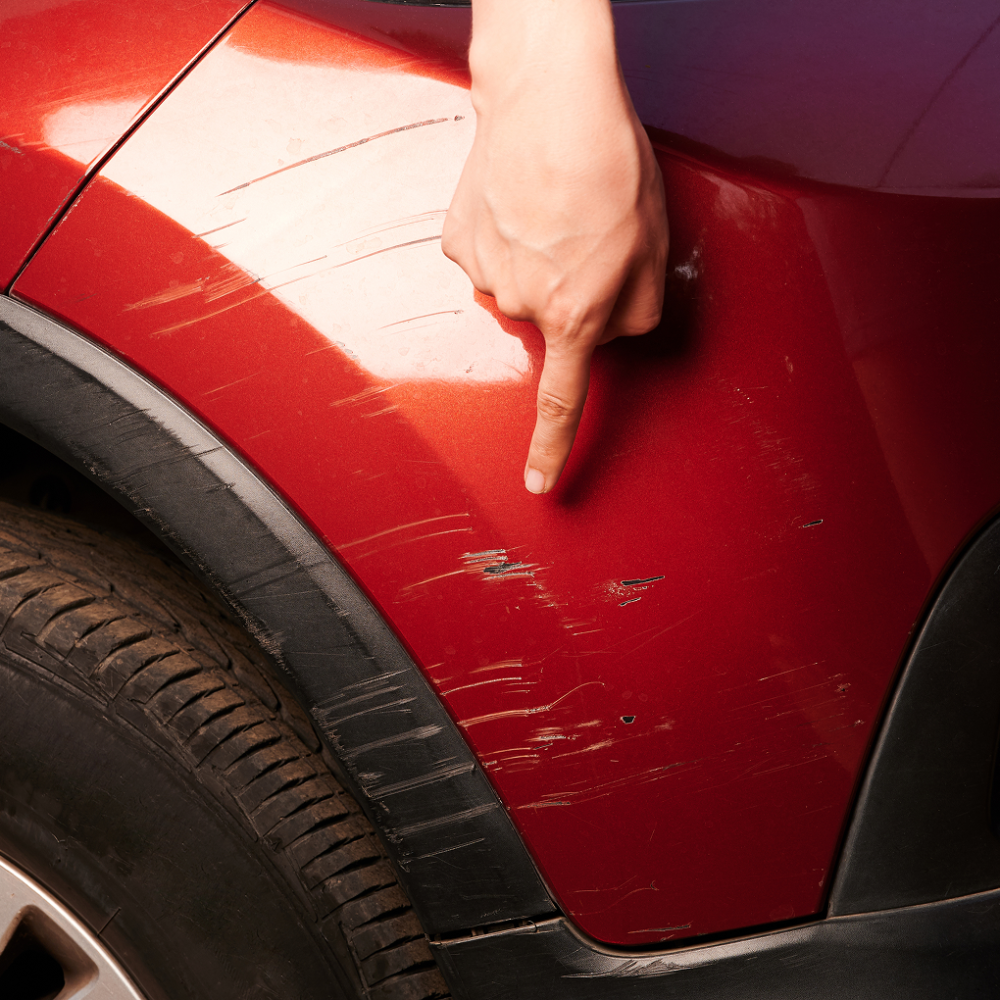
Scratches on a vinyl wrap can be frustrating, especially if you’ve invested in a custom design or premium finish. Fortunately, there’s hope for minor scratches. And, with the right techniques and preventive care, you can reduce the chances of surface marks ruining the appearance of your wrapped vehicle.
Here’s what our experts at #201WRAP have to say about fixing scratches on a car wrap and preventing them in the first place.
Yes, you can remove or reduce the appearance of scratches on a car wrap. But it depends on the depth, location, and type of wrap. Minor surface scratches on wraps made of thermoplastic polymer can often be reduced by using a heat gun on low to return them to their original shape, followed by buffing the areas with a microfiber cloth.
However, it’s trickier to remove scratches from matte and satin wraps. The heat won’t blend scratches as effectively, and buffing with a microfiber cloth may change the finish. A wrap-safe matte detailer can be used to clean and reduce the appearance of light scuffs, but a full removal is unlikely.
If a vinyl car wrap is gouged, deeply scratched, or torn, it is rarely possible to repair it cleanly. Patching it may result in visible seams or color mismatches, especially if the wrap has faded over time or is custom printed. In these cases, the best solution is to have the affected panel replaced entirely by a professional installer.
Vehicle wraps are more vulnerable to scratches than your car’s factory finish, especially when exposed to grit, brushes, or sharp objects. Whether you already have a wrapped car or are considering getting one, it’s essential to understand how to care for it properly.
Most scratches happen during washing or daily driving. The good news is, with the right habits, they’re entirely avoidable. Here are ten simple but effective ways to prevent scratches and keep your wrap looking fresh longer:
Use one bucket for soap and one for rinsing your mitt when hand washing your vehicle. Doing so prevents dirt from re-entering the wash and scratching the surface of the wrap
Ceramic coatings reduce friction during washing, while paint protection film (PPF) shields high-impact areas from physical damage. Use only coatings and sprays specifically designed for your vinyl wrap to prevent damage or fading.
Preserve the Look of Your Vehicle Wrap with #201WRAP
Protect your investment and keep your vehicle looking its best. For expert advice, high-quality materials, vehicle wraps, ceramic coating, paint protection film, or professional repairs, trust the specialists at #201WRAP to keep your vehicle looking sharp and your wrap in top shape.