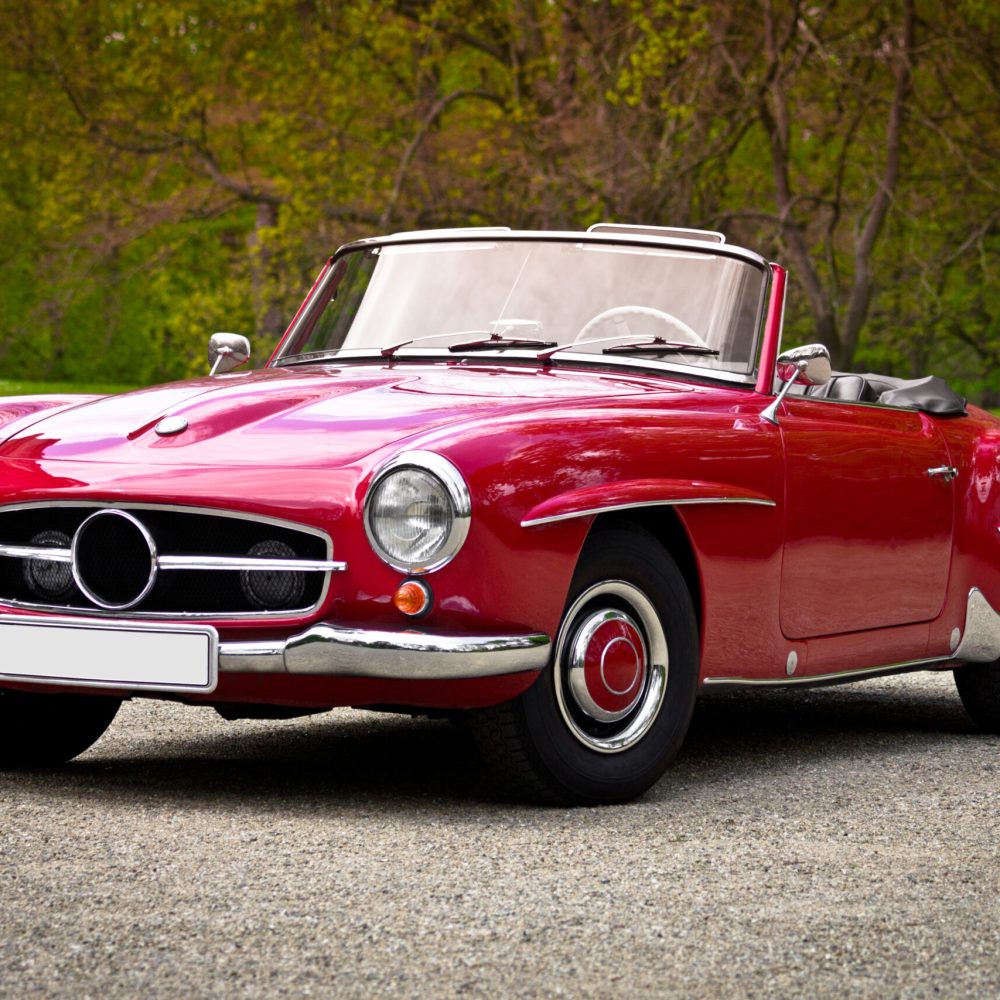
Classic cars stand out for their craftsmanship, timeless design, and nostalgic value. For many owners, preserving that originality while adding a modern touch is a careful balancing act. Which brings us to, ‘Can you wrap a classic car?’
Yes, classic cars can be wrapped in vinyl to enhance appearance, protect paint, and even reflect your style, without altering the car’s permanent finish.
At #201WRAP, we’ve worked with countless classic car owners looking to update or protect their vehicles. We help you explore everything you need to know about wrapping classic cars, from the benefits and best materials to limitations, surface prep, and long-term maintenance.
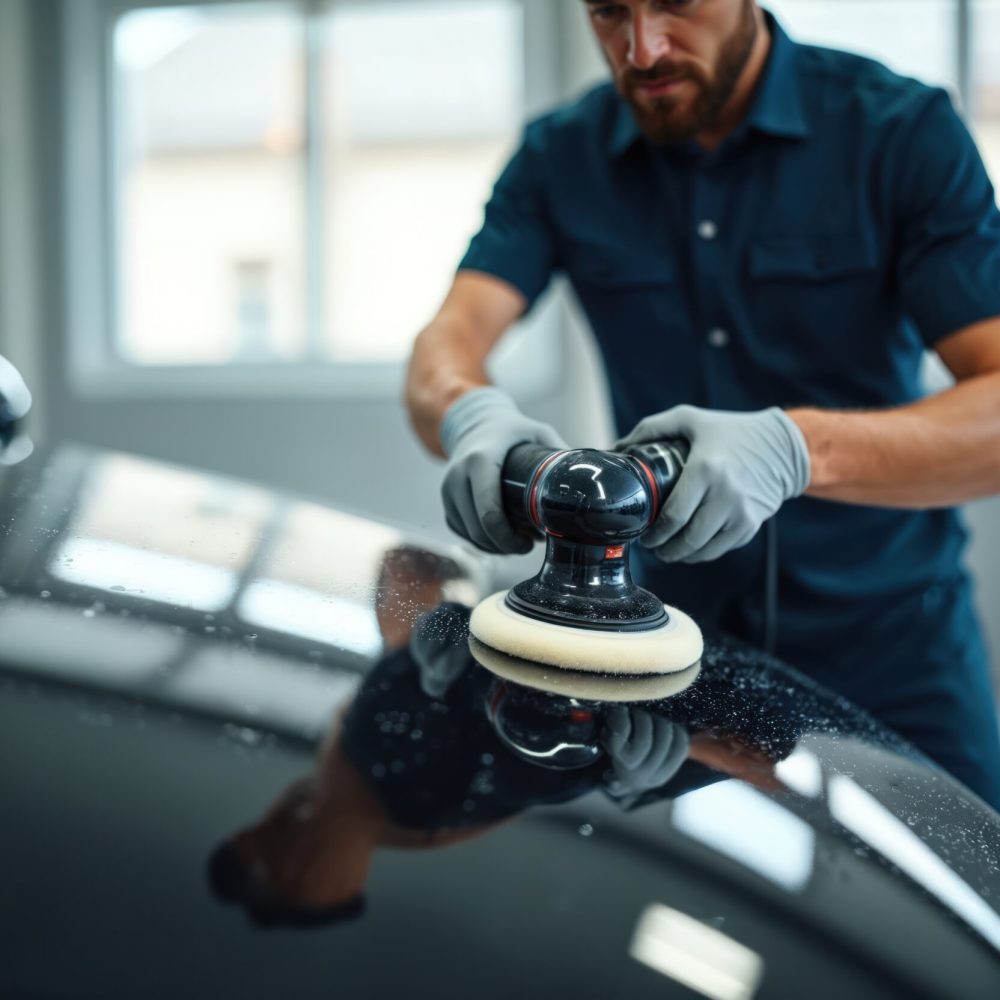
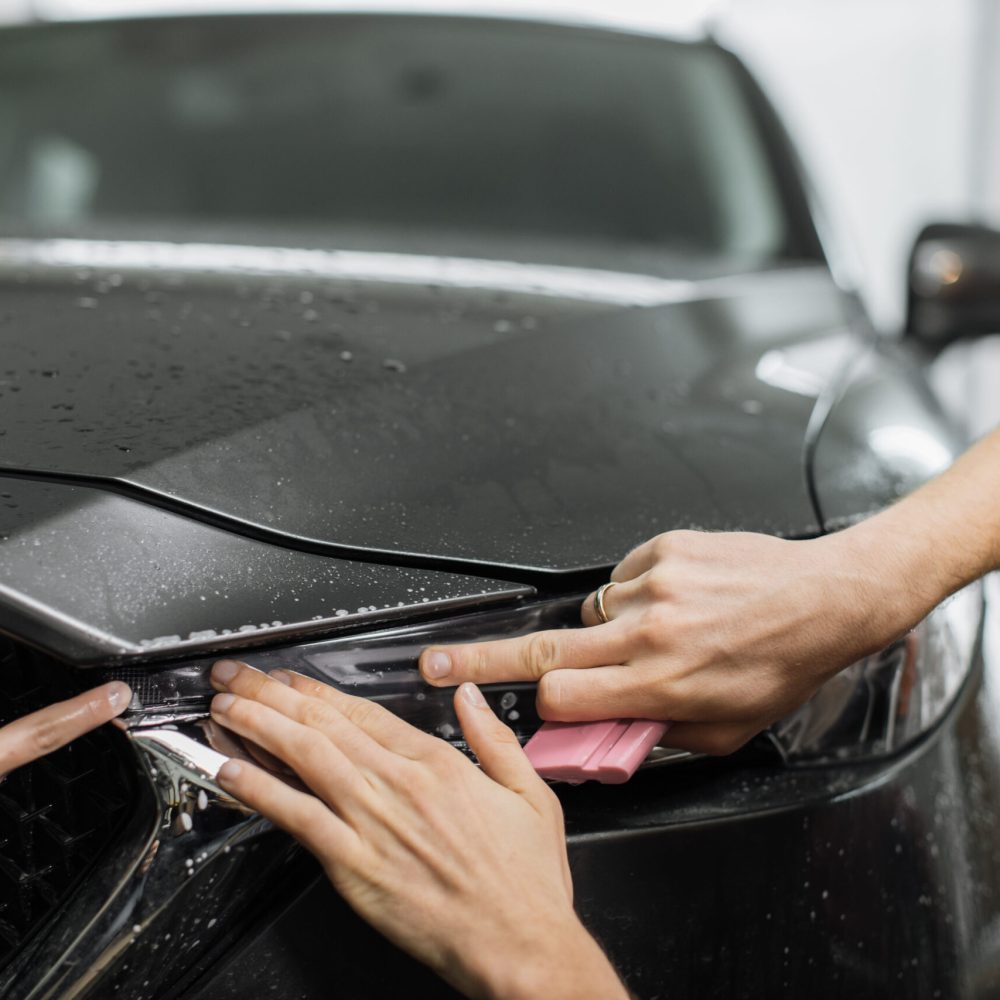
Wrapping involves covering a classic car’s exterior with a protective or decorative film, commonly made from vinyl, but not always. Materials like paint protection film (PPF) can also be used, depending on the goal.
Wraps offer a reversible way to update a classic car’s appearance without committing to a full paint job or respray. Many owners choose these for bold color changes, added protection, or distinctive effects like chrome vinyl, gunmetal silver wrap, or even glow-in-the-dark vinyl.
Why Classic Car Owners Choose to Wrap Their Vehicles?
Many classic car owners typically wrap their vehicles to protect the paint, customize the vehicle’s appearance, and enhance its resale value. Vehicle wraps are a cost-efficient, temporary method of preserving the car’s value.
One major reason to wrap classic vehicles is to protect original paint from road debris, UV rays, and contaminants. Quality wrap materials, whether vinyl or alternatives, can act as a paint protection film without altering the finish underneath.
Repainting a vintage vehicle can be costly, especially when using single-stage paint or two-stage paint with clear finishes. Wrapping often delivers similar visual results for far less, ideal for budget-conscious restorers who want high impact with minimal commitment.
Wraps allow owners to experiment with racing stripes, chromatic wrap styles, or even full-body transformations, then return to the original color at any time. It’s a practical solution for those attending shows where style meets tradition.
For many classic car owners, wrapping is often a better option than painting, especially when preserving the original paint is important. A vinyl wrap provides a non-permanent layer that protects the vehicle’s surface, offers a wide range of finishes like matte, gloss, or chrome vinyl, and is typically more affordable than a full paint job.
It’s ideal for enhancing the appearance of classic cars without compromising their historical value. However, if the original paint is severely damaged or the vehicle is undergoing a full restoration, professional automotive paint might be more suitable.
Still, many car enthusiasts prefer vinyl wraps because they allow for future changes and come in advanced styles, such as gunmetal silver wrap or even glow-in-the-dark vinyl. The choice depends on your vehicle’s condition, your style goals, and whether you want a reversible or permanent finish.
Before applying a wrap, inspect your classic car for issues like rust, dents, patina, or old repairs. These can interfere with wrap adhesion and may show through the surface. Complete any necessary bodywork, such as paint correction or rust treatment, before proceeding to avoid early wrap failure.
Also, check your paint type. Factory finishes hold wraps better, while aftermarket paint may lift during wrap removal. Knowing whether your car has single-stage paint or two-stage paint with a clear coat is important. A stable base ensures the vinyl material bonds properly and lasts longer, preserving your vehicle’s classic appeal without compromising its condition.
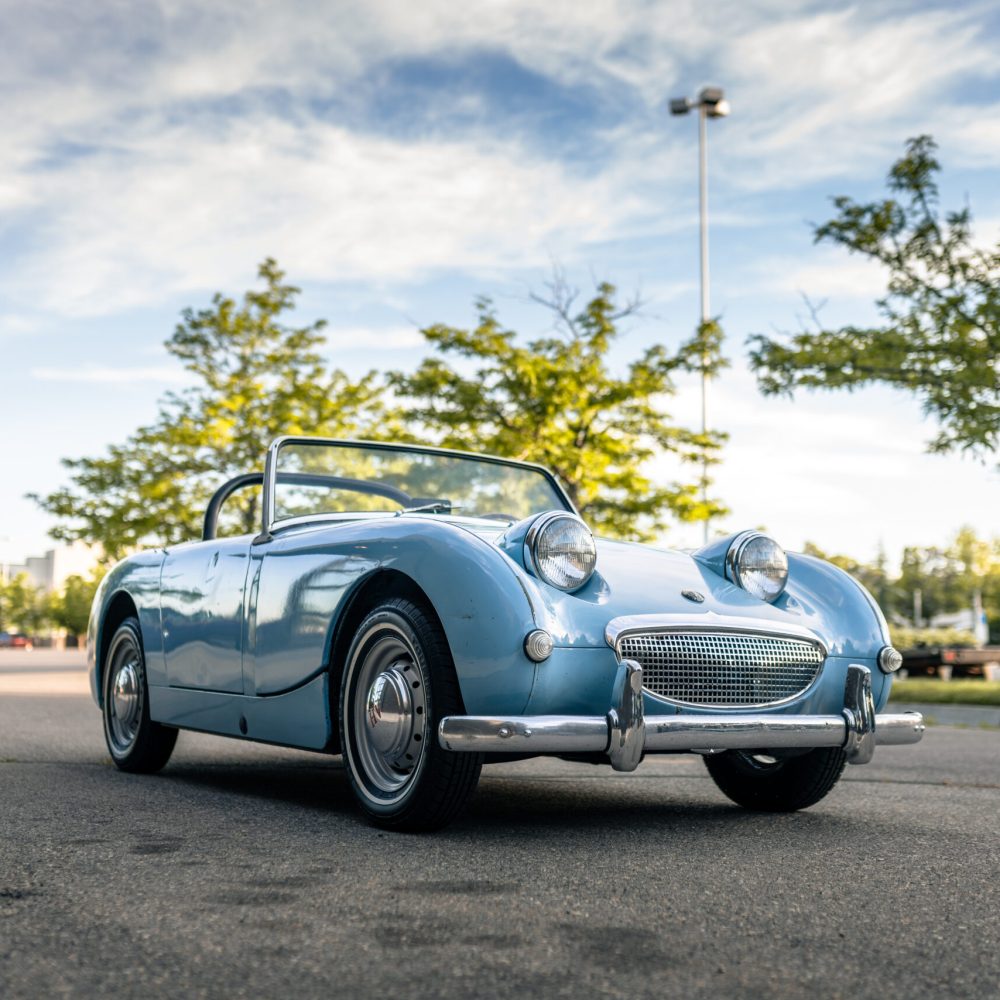
Not every classic car is ideal for wrapping. The best candidates are those with clean body panels, minimal trim, and smooth surfaces, like many 1960s muscle cars, 1970s fastbacks, or 1980s coupes. A well-preserved paint job or properly sanded finish helps the vinyl material adhere correctly, which is essential for long-term durability and clean removal.
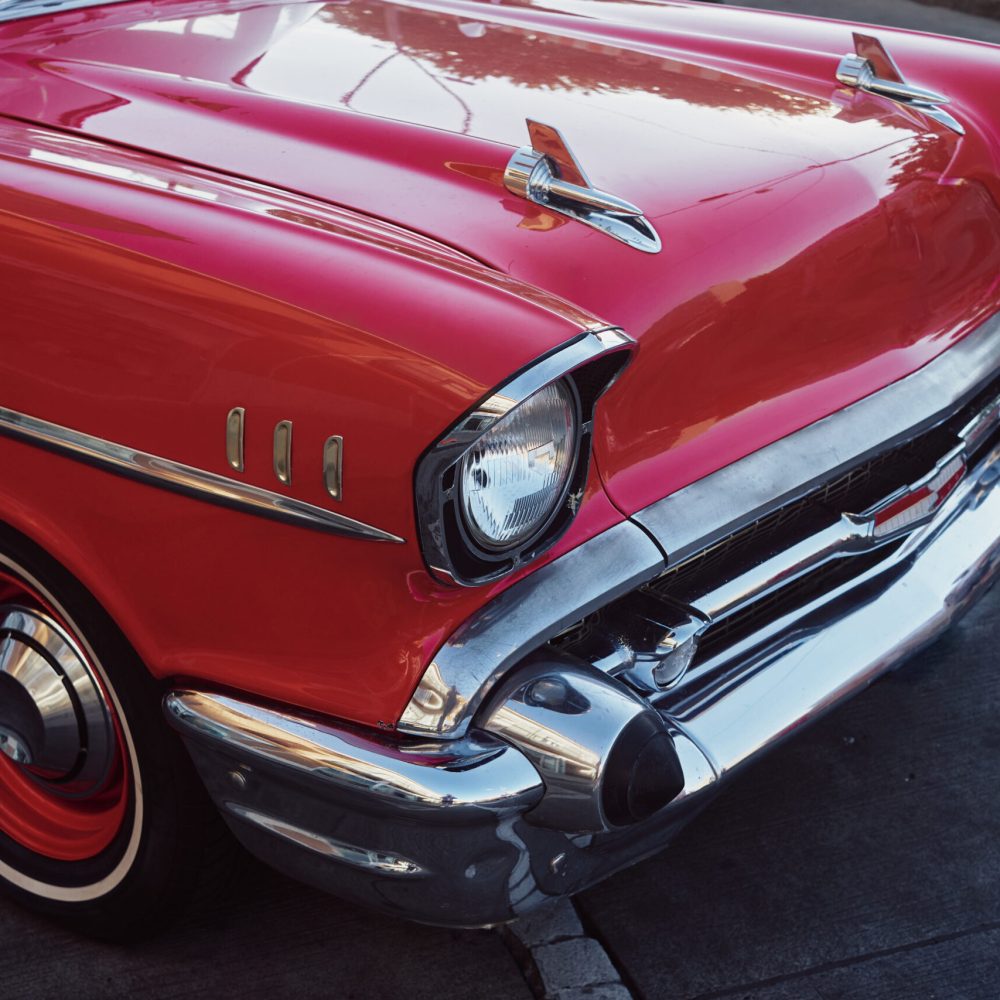
If your car is rust-free and the paint is in decent condition, a vinyl wrap can act as both a visual upgrade and a layer of protection. Cars with excessive chrome trim, aged vinyl roofs, or complex curves may require additional preparation, such as chrome removal or custom trimming.
If the bodywork includes uneven repairs, bubbling, or textured surfaces, traditional wrap films may not apply smoothly. At #201WRAP, our team can evaluate your classic car and recommend the right solution, ensuring the wrap not only looks amazing but also protects the vehicle for years to come.
Wrapping isn’t a cure-all. If your classic car has paint job flaws, oxidized finishes, or unresolved structural issues, a vinyl wrap may not adhere properly and could begin to peel, bubble, or lift prematurely.
The material requires a smooth, clean surface to bond effectively, and imperfections can be visible through thin vinyl wraps, thereby diminishing the overall appearance. Applying wrap over damaged areas can also trap moisture, which may worsen existing issues over time. It’s also not recommended to wrap over rust, deep scratches, or rough textured surfaces. These flaws can cause the wrap to fail and may lead to more extensive damage beneath the film.
If your car’s bodywork is compromised or the paint is severely deteriorated, investing in a respray, panel repair, or full restoration may be more effective for preserving both the look and value of your vehicle. In such cases, wrapping should be considered only after the underlying problems are resolved.
Preserve Your Classic Car With a Wrap From #201WRAP
Wrapping a classic car is more than a style upgrade. It is a way to protect its history while making it uniquely yours. A high-quality vinyl wrap or paint protection film (PPF) can protect your original paint, enhance your vehicle’s appearance, and cost less than a full respray.
Before wrapping, ensure the surface is clean, rust-free, and properly prepared. Then, trust the experienced team at #201WRAP to deliver flawless results using top-tier wrap materials and expert craftsmanship. Contact us today or visit our shop to schedule a consultation. We’re ready to help your classic car look its best while preserving its legacy.