

Boats constantly endure harsh conditions like sun exposure, saltwater, and physical wear. Over time, this leads to gel coat oxidation, fading, and scratches from docks or debris. To protect their investment, many boat owners are turning to advanced protective solutions.
One increasingly popular option is Paint Protection Film (PPF). Yes, PPF can be used on boats, and it’s highly effective. At #201WRAP, we apply premium PPF that helps maintain your boat’s finish by providing UV protection and shielding against abrasions and environmental damage.
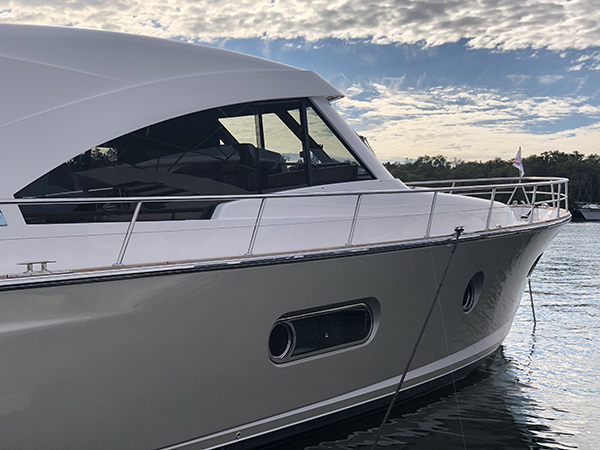
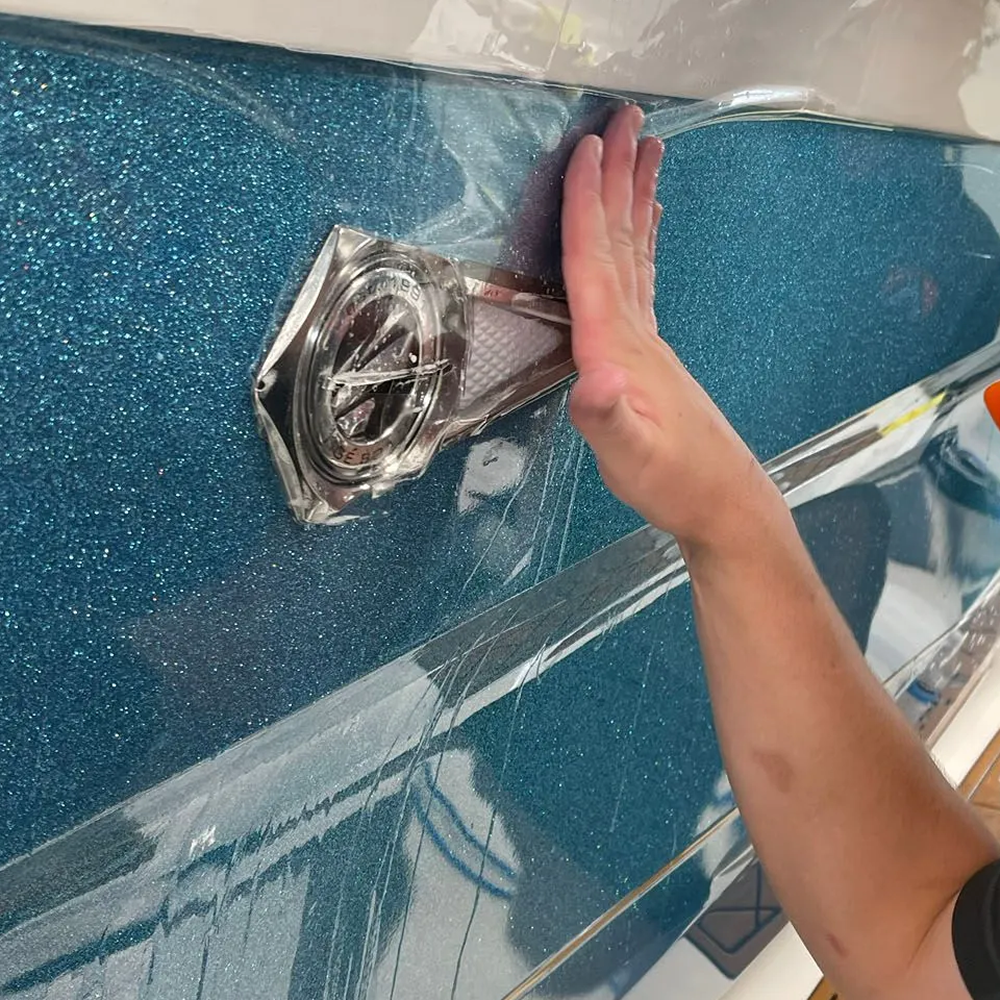
Paint Protection Film (PPF), sometimes called an invisible shield or clear bra, is a transparent, long-lasting, self-healing film that is applied to painted surfaces to guard against stains, chips, scratches, and environmental harm. PPF was first created for military applications to shield helicopter blades, but it is now commonly found on automobiles and increasingly on boats.
Once installed, the film, made from polyurethane or a polymer-based substance, blends seamlessly with the surface. It features self-healing properties that activate with heat, repels water due to its hydrophobic nature, and resists yellowing over time.
Yes, PPF works well and is appropriate for boats. Bird droppings, algae, wind, salt, sun, and mechanical wear from docks or fishing gear are all common in marine environments, which rank among the most demanding for surface protection. While marine-grade or premium automotive-grade PPF is specifically made to withstand these conditions, not all protective solutions are.
When professionally installed, it offers a long-lasting shield that preserves the appearance of your boat for many years. Making the right product choice and making sure it is applied correctly are crucial. Even after prolonged exposure to water and UV rays, premium materials are made to withstand peeling, cracking, and yellowing.
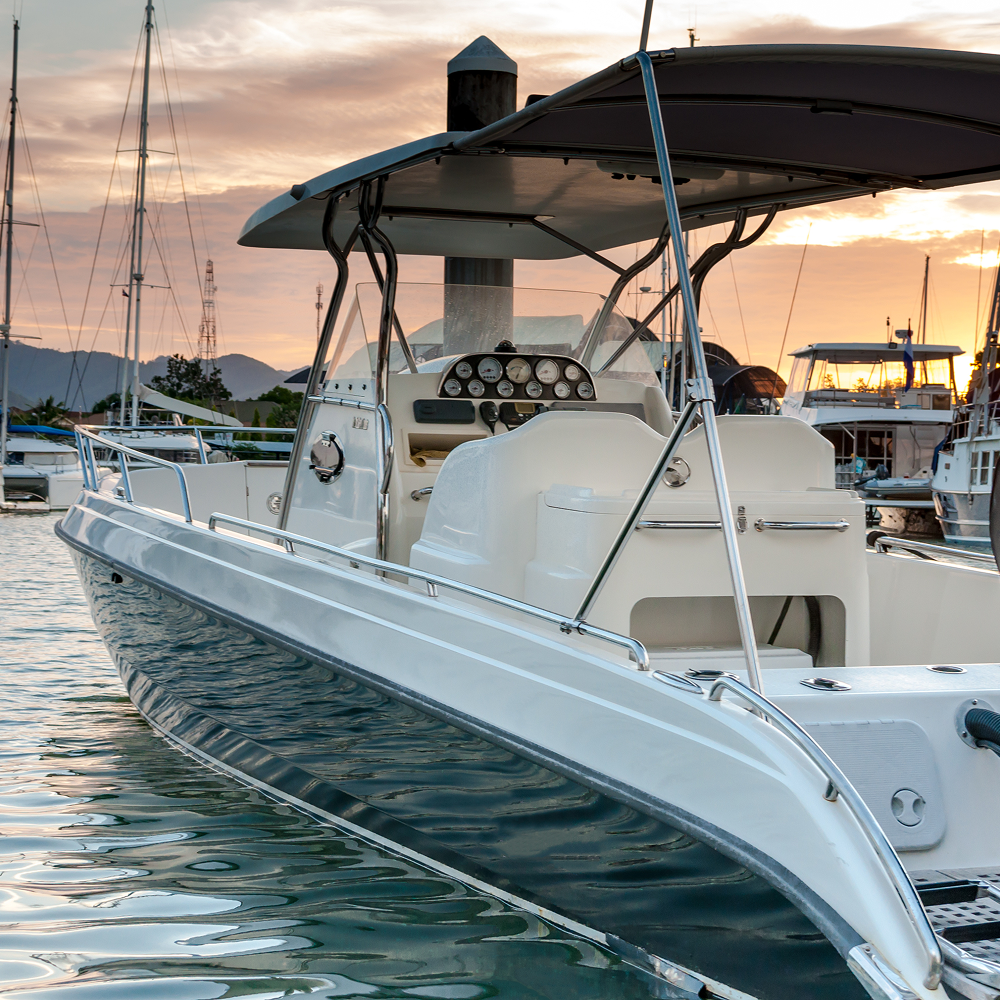
To keep your Paint Protection Film (PPF) in top condition and ensure it lasts as long as possible, here are some important things to avoid:
The film can be deteriorated or discolored by using cleaners that contain abrasive ingredients, ammonia, or strong solvents. For maintenance, always use pH-neutral or PPF-safe cleaning solutions to guarantee the film maintains its clarity and protection over time.
The film may lift or peel if a pressure washer is used too close to the edges. Avoid spraying directly at edges or seams, and keep the nozzle and the film at least 12 to 18 inches apart.
Scrubbing pads and rough brushes should not be used on the film. Instead, clean with non-abrasive sponges or soft microfiber towels. Scratches from harsh materials can dull the finish and lessen the PPF’s protective power.
The PPF may become dulled or damaged by certain waxes or sealants. Select ceramic coatings or waxes with a PPF safety label. The clarity of the film may be compromised and early deterioration may result from using the incorrect products.
Long-term exposure to contaminants such as salt, insect feces, and bird droppings can cause the film to become discolored. To avoid permanent marks, remove impurities as soon as you can. Regular cleaning enhances the film’s protective capabilities and preserves its appearance.
Continuous exposure to intense heat, sunlight, or saltwater spray can shorten the film’s life. To protect the surface when not in use, use a boat cover or a shaded spot. Preventive care can greatly increase the longevity and appearance of your PPF.
Don’t try to fix the film yourself if it becomes damaged or begins to peel. Instead, seek advice from a qualified installer because improper repairs could worsen the damage. Professional assistance ensures the film is restored without harming the surrounding areas.
When professionally installed and well maintained, marine-grade PPF can last 5 to 10 years, even in saltwater environments. Its longevity depends on several factors:
Premium brands last longer and better resist yellowing or damage.
Boats used daily or stored outdoors often experience faster wear.
Saltwater is more corrosive than freshwater and can impact durability.
Regular cleaning with proper products keeps the film in good shape.
Many high-end PPF products also come with manufacturer warranties, giving you added peace of mind. Regular examinations and, if necessary, reapplications help guarantee that the film keeps protecting and performing well.
Investing in Paint Protection Film in Florida is a smart, cost-effective way to extend your boat’s appearance and value while reducing maintenance over time. Expert installation from #201WRAP keeps your boat sleek, shiny, and ready for the water while providing you with the best possible protection from the weather.
Contact #201WRAP today to schedule your expert marine PPF consultation and discover how we can professionally help your vessel look better, last longer, and sail smoother.