

What You Need To Know Before Wrapping Your Car
Vinyl car wraps are a popular way to transform your vehicle’s appearance while protecting the paint. Unlike a permanent paint change, a wrap lets you add colors, textures, or graphics and helps shield your original paint from scratches, chips, and UV damage. The lifespan and appearance of a wrap depend on the quality of the vinyl film, professional installation, and proper maintenance.
At #201WRAP, we make sure every wrap job is done right, from assessing vehicle condition to using high-quality materials and expert installation. Understanding the factors that affect durability, cost, and care helps you enjoy a long-lasting, visually striking vinyl car wrap that protects your vehicle and reflects your style.
What is a Car Wrap?
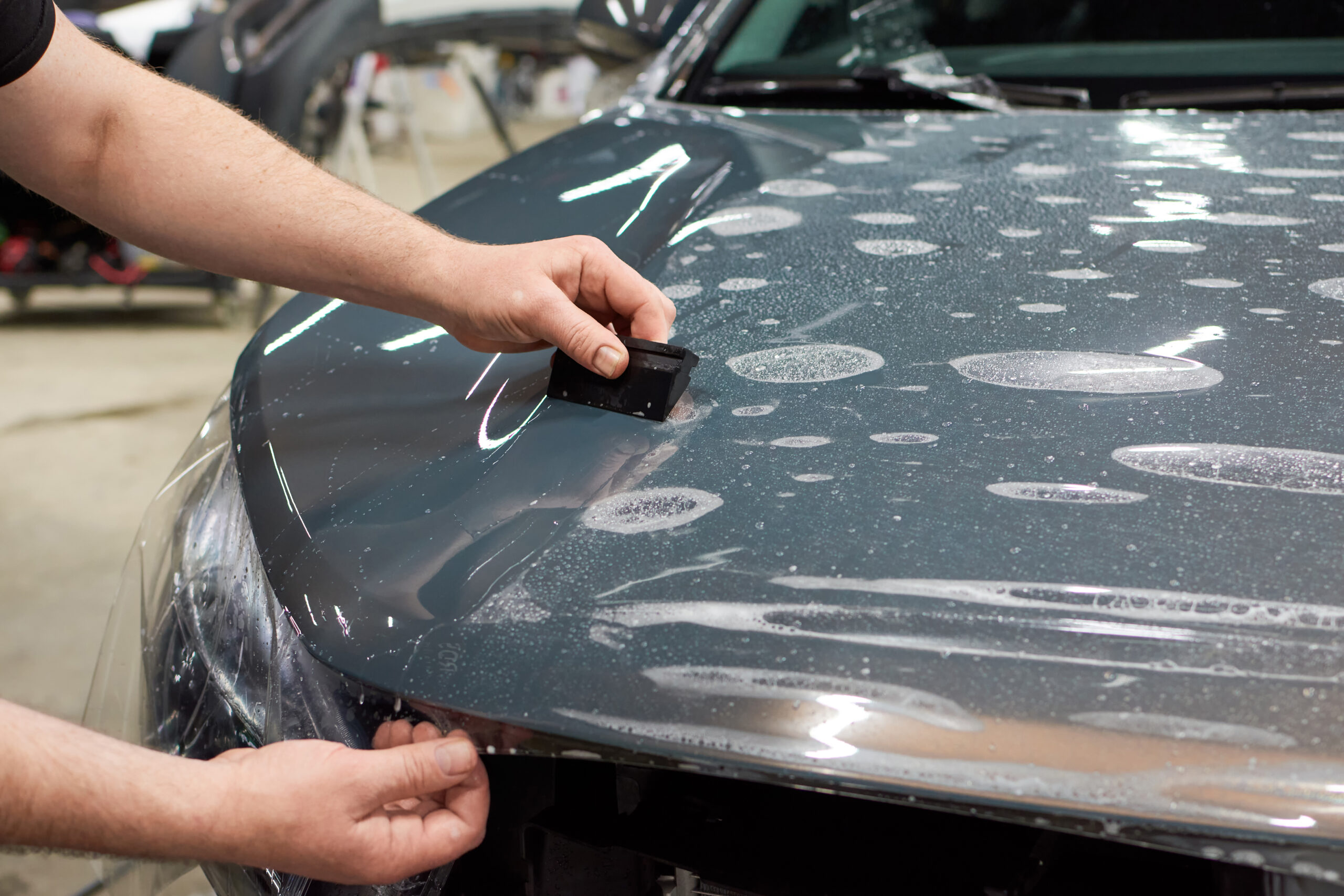
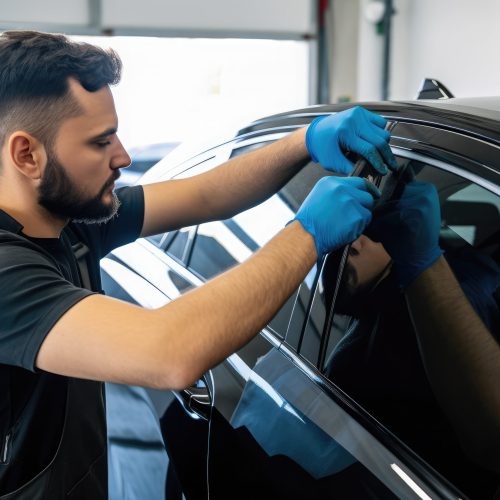
A car wrap is a large vinyl film applied over a vehicle’s original paint, providing a cost-effective and temporary way to change its color, add custom designs, or promote a business. Beyond aesthetics, it helps protect the underlying paint from minor scratches, chips, and UV damage.
Car wraps are fully removable, returning the vehicle to its original finish, and are available in a variety of textures and finishes – matte, gloss, satin, or textured- offering flexibility traditional paint can’t match.
How Long Does a Car Wrap Last?
A vinyl car wrap typically lasts 3–7 years, depending on material quality, professional installation, and maintenance. Premium wraps with proper care can reach 5–7 years, while lower-quality wraps or those exposed to harsh environmental factors may last 1–2 years. Sunlight, weather exposure, and cleaning habits all affect how long your vinyl car wrapping stays vibrant.
Key factors affecting car wrap lifespan include:
Material Quality
Not all vinyl film is the same. Premium materials such as cast vinyl from manufacturers like Avery Dennison are engineered for flexibility, color stability, and long-term durability. Cast films conform better to curves, resist shrinking, and maintain consistent color over time.
Lower-cost options, such as calendered vinyl, are thicker and less flexible. These materials are more prone to cracking, edge lifting, and color distortion – especially on complex body lines. Choosing high-quality car wraps is one of the most important decisions affecting lifespan.
Installation
#201WRAP understands surface preparation, correct heat application, and how to stretch vinyl without stressing the material. Improper techniques can trap air bubbles, weaken pressure-sensitive adhesives, and cause premature lifting.
Our professional installers use controlled heat, air release technology, and proper tools and materials to ensure smooth adhesion and long-term performance.
Sun Exposure and UV Rays
Constant exposure to UV rays is one of the biggest threats to vinyl longevity. Sunlight breaks down pigments and adhesives over time, leading to fading, discoloration, and reduced flexibility.
Vehicles parked outdoors year-round or driven in high-sun regions will wear more quickly than garage-kept vehicles. UV-resistant vinyl helps, but parking habits still play a major role in preserving color and finish.
Climate & Environmental Factors
Weather conditions significantly impact the lifespan of vinyl car wrapping. Extreme heat can soften adhesives and cause stretching, while extreme cold can make vinyl brittle and prone to cracking. Coastal environments with salt air, heavy pollution, or frequent temperature swings accelerate vinyl degradation.
Road grime, industrial fallout, tree sap, and environmental contaminants can also stain or damage the surface if left unremoved. These conditions affect both the vinyl film and the underlying paint job.
Maintenance
Proper wrap maintenance extends the lifespan more than most vehicle owners realize. Hand washing with a mild vehicle wash soap and drying with a microfiber towel prevents abrasion and staining. Harsh chemicals and abrasive cleaners can damage the vinyl surface and degrade protective coatings.
Automatic wash systems with brushes should be avoided, as they can lift edges and scratch the film. Regular, gentle cleaning and avoiding prolonged contamination buildup help preserve adhesion, finish, and long-term durability.
Will a Wrap Damage my Car’s Paint Job?
A high-quality vinyl wrap on original paint won’t harm your car; it protects against chips, scratches, and UV damage. Damage can occur if the paint job is weak, the wrap is low-quality, left on too long, or installed/removed incorrectly.
When are wraps safe and protective?
A wrap is typically safe when the vehicle has a stable factory finish, and the installation process follows proper standards.
Good Paint Condition Is the Foundation
The best candidates for vinyl car wrapping are vehicles with factory paint in good condition – meaning no peeling clear coat, no flaking, and no failing areas around edges. When the paint is healthy, the vinyl film acts like a protective layer and can even help preserve resale value by keeping the finish cleaner and more consistent over time.
Professional Installation Prevents Common Paint Risks
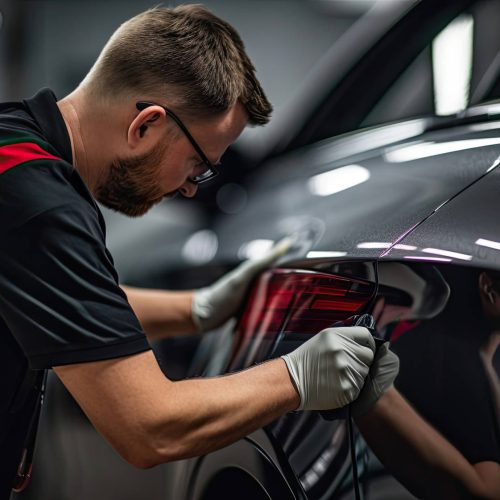
A true professional installation is designed to prevent damage from the start. We use controlled cutting methods, including knifeless tape, to avoid slicing into the paint. They also understand how to work around complex areas like body seams, door handles, and edges where vinyl tension can cause lifting or overstretching.
Professional wrap preparation also matters here. Our installers will identify weak paint areas during a vehicle inspection and explain the risks before applying vinyl.
Proper Removal Protects the Finish
When it’s time to remove the wrap, technique matters just as much as the install. Vinyl is removed using controlled heat application, often with a heat gun, to soften pressure-sensitive adhesives. The film should be pulled slowly at a shallow angle to prevent stress on the paint job.
When removal is done correctly, the vinyl should release cleanly with minimal adhesive residue.
When Damage Can Happen
Paint damage is not “random.” It usually comes from one of a few predictable causes.
Weak, Repainted, or Damaged Paint
If a vehicle has been repainted, has surface rust, or has clear coat failure, the risk increases. Non-factory paint is more likely to lift during removal because the bond between paint layers is weaker than OEM finishes.
Even small damaged areas – like chips or peeling around door edges – can spread when vinyl is removed. This is one of the most common reasons vehicle owners experience paint damage after a wrap.
Low-Quality Vinyl Film (Especially Calendered Vinyl)
Cheap vinyl is more likely to fail early and create problems during removal. Lower-grade materials tend to shrink more, crack sooner, and become brittle under UV rays and weather conditions.
When low-quality film degrades, it can leave behind stubborn adhesive residue and require aggressive adhesive removal techniques—raising the chance of damage to the paint job.
Leaving the Wrap On Too Long
Even premium vinyl film has a lifespan. If a wrap is left on far beyond its recommended service life, the adhesive can become harder to release and may bond more aggressively to the surface.
This doesn’t mean every older wrap will damage paint – but it does increase the likelihood of adhesive residue, difficult removal, and surface stress during adhesive removal.
Poor Surface Preparation Before Wrapping
Surface preparation is one of the most overlooked parts of car wrapping. If the surface isn’t properly cleaned and decontaminated, the vinyl may not adhere evenly. Dirt, oils, and contaminants can create weak adhesion zones, which lead to lifting, air bubbles, and early failure.
In some cases, wrapping over contamination traps moisture underneath the vinyl. That can contribute to premature wrap breakdown and worsen existing paint issues.
How Much Does It Cost to Wrap a Car?
Professional vehicle wrapping typically costs $2,000–$7,000, with most paying $2,500–$4,000 for a full wrap. Large vehicles, complex designs, or specialty finishes like chrome can exceed $10,000.
What Influences the Cost of Installation:
- Vehicle Size & Type: Larger vehicles such as SUVs, trucks, and vans require significantly more vinyl film and installation time than compact cars or sedans. Additional panels, complex contours, and larger surface areas increase both material usage and labor hours.
- Material Quality & Finish: Standard gloss or matte vinyl film is the most cost-effective option. Premium finishes such as satin, metallic, carbon fiber, color-shift, or chrome cost more due to higher material pricing and increased installation difficulty.
- Design Complexity: A single-color wrap is faster and more straightforward to install. Custom vehicle wrap designs, multi-color layouts, printed graphics, or detailed vehicle graphics require additional design time, precise alignment, and longer installation windows, all of which increase cost.
Contact #201WRAP today for a free, detailed quote!
What’s the Difference Between a Car Wrap and Paint Protection Film (PPF)?
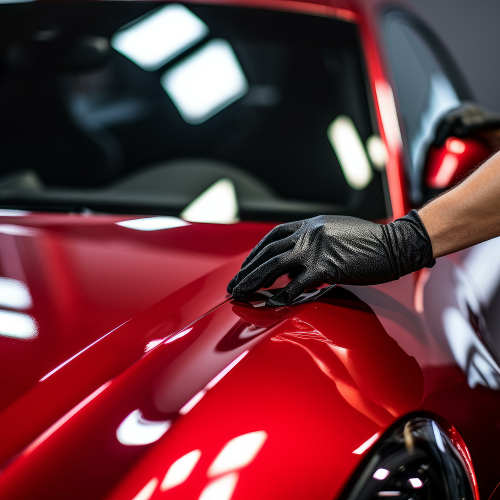
The main difference is purpose: vinyl wraps are for cosmetic changes with moderate protection, while paint protection film is a thicker, nearly invisible layer for heavy-duty defense against chips, scratches, and UV protectant loss.
Key differences between car wraps and ppfs include:
- Durability & Lifespan: PPF lasts up to 10 years, wraps last between 3–5 years.
- Protection: PPF is self-healing and stronger, while wraps offer moderate protection.
- Appearance & Customization: Wraps offer extensive color/design options, and PPF can now be colored but is primarily clear.
- Maintenance & Cost: PPF is easier to maintain but more expensive, while wraps require more care but are highly customizable.
How Do I Care for my Car Wrap after Installation?
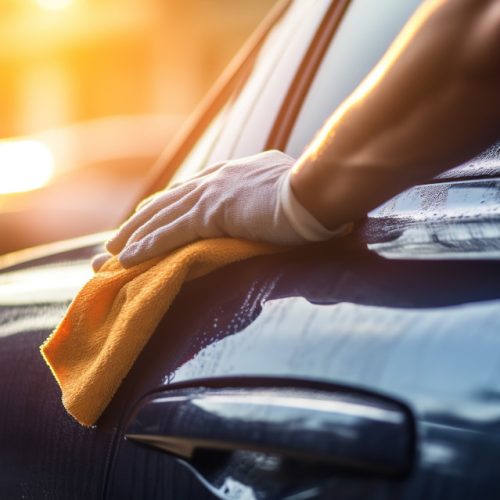
To extend the lifespan of your vinyl car wrapping, follow proper cleaning routines. Hand-washing with mild, pH-neutral dish soap, drying carefully, and addressing contaminants promptly prevents fading, scratches, and staining. Avoid harsh chemicals and automated brushes to preserve the vinyl wrap.
Some tips on how to care for your vehicle wrap include:
- Hand Wash: Use a soft mitt and mild, pH-neutral dish soap; avoid automatic car washes with brushes.
- Rinse and Clean: Remove dirt, wash with soap and water, rinse thoroughly.
- Dry Gently: Pat dry with a microfiber towel or silicone squeegee to avoid water spots.
- Spot Clean: Remove bird droppings, bug splatter, or tar immediately.
- Sealant (Optional): After the 5–7 day car wrap cure, apply a polymer sealant, avoiding traditional wax.
Transform Your Car With #201WRAP
Car wraps are a versatile way to personalize and protect your vehicle without committing to a permanent paint job. By choosing high-quality vinyl, ensuring professional installation, and following proper maintenance, you can enjoy a long-lasting, visually striking wrap that shields your original paint and enhances your car’s style.
At #201WRAP, our team manages every step of your vehicle wrapping project, from expert vinyl selection to flawless installation and guidance on care. Whether you want a bold color change, custom graphics, or full paint protection, we provide the materials, expertise, and support to make your car look its best while preserving its value. Get in touch with us today to start your car transformation with confidence.